Little India Arcade
Singapore, Singapore
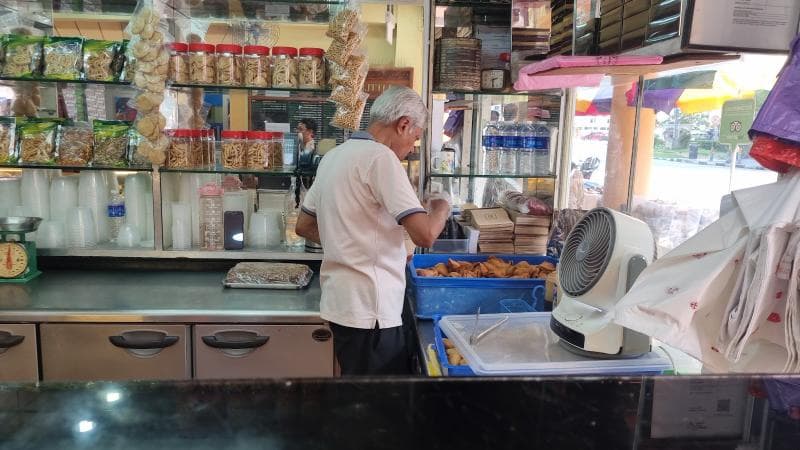
Explore Little India Arcade in Singapore, a vibrant hub of traditional Indian culture, crafts, and heritage on Serangoon Road.
Overview
The Little India Arcade in Singapore is a vibrant cultural hub, an enchanting two-storey cluster of conserved shophouses that offers a rich, immersive experience into Indian culture. Situated on Serangoon Road, the main artery of Singapore's Indian quarter, it serves as a bustling marketplace and a living testament to the area's enduring heritage. From the moment you step inside, the air is filled with the aromatic scents of spices and fresh jasmine, while the visual feast of colourful textiles, intricate jewellery, and traditional handicrafts captivates the senses. It is not merely a tourist attraction but a functional retail space where locals frequent for everyday needs, temple offerings, and festive preparations, providing an authentic glimpse into their daily lives.
History & Cultural Background
The history of Little India Arcade dates back to 1913, when these neoclassical shophouses were first constructed. The area of Serangoon Road has long been associated with Singapore's Indian community, tracing its roots to the early 19th century when Indian labourers, traders, and convicts arrived under British colonial administration. In 1989, the larger Little India area, including the arcade's location, was gazetted as a conservation area by the Urban Redevelopment Authority, ensuring the preservation of its unique architectural and social value. The Little India Arcade itself officially opened in 1995 after extensive conservation efforts, commemorating the spirit of commerce that characterised the district's early Indian settlers. Today, it is owned by the Hindu Endowments Board, reflecting its deep ties to the community.
What Makes It Special
What sets the Little India Arcade apart is its genuine embrace of traditional Indian commerce and culture. The arcade's design, with its terracotta-toned facade, covered five-foot walkways, and low ceilings, transports visitors to an earlier era, creating an atmospheric backdrop for the vibrant displays within. Inside, around 30 to 40 small retailers offer a diverse array of goods. You can find everything from fresh flower garlands, used for religious offerings and adornments, to fragrant incense sticks, spices, and Ayurvedic oils. The textile sections boast rich silk saris and other traditional Indian fabrics, while jewellery stores shimmer with handcrafted ornaments, bangles, and costume pieces. Small brass or resin religious figurines, traditional Indian sweets, and even henna artists contribute to the unique shopping experience. The sensory immersion – from the sight of bold colours and intricate patterns to the mingling scents of jasmine, sandalwood, and spices – makes every visit a truly memorable journey.
Stories, Fun Facts & Local Details
One of the arcade's most compelling stories is linked to P. Govindasamy Pillai, affectionately known as 'PGP.' He started as a clerk and coolie in a provision shop nearby and, through sheer determination, bought his employer's shop in 1929. PGP expanded his fortune by selling textiles and saris, eventually becoming a prolific philanthropist who generously supported the Indian community and contributed significantly to the reconstruction of older Indian temples, such as the Sri Srinivasa Perumal Temple. His story transforms the arcade's shopfronts into symbols of social mobility and community spirit. The arcade also holds an 'Architectural Heritage Award,' received in 1996 from the Urban Redevelopment Authority for its successful conservation. Near the arcade's entrance, you might notice plaques, one of which refers to immigrants from Kerala and Tamil Nadu, reminding visitors of the diverse origins of Singapore's Indian community. Moreover, the tradition of wearing bangles in Hinduism is highlighted; they are considered a sign of security and prestige, with specific customs surrounding their wear, particularly for married women. The Moghul Sweet Shop, located in the arcade, holds the distinction of being Singapore's first Indian sweet shop, established in 1996.
Visitor Perspective
For the curious traveller, the Little India Arcade offers an intimate and authentic cultural immersion. Weekday mornings, before 11 am, are often recommended for a quieter browse, allowing for more personal interactions with vendors. However, the arcade truly comes alive during festive periods like Deepavali and Pongal, transforming into a kaleidoscopic bazaar with music, lights, and an overflowing array of goods. During these times, it can be significantly more crowded, with locals rushing for their festival shopping, providing a vibrant, albeit bustling, experience. While bargaining is not as prevalent as in some open markets, polite negotiation for larger purchases may be accepted by some vendors. Located strategically, the arcade is within walking distance of other significant sites such as the Sri Veeramakaliamman Temple and the Tekka Centre, where you can explore a wet market and hawker centre. The architectural details, the aromas, and the lively atmosphere make it a photographer's delight and a must-visit for those seeking to understand the heart of Indian culture in Singapore.
Coordinates: 103.851825, 1.3058166667
View on Google Maps💬 How Travelers Describe This Place
Based on community votes
Interesting
722Unique
698Must See
276Beautiful
126Photogenic
19
Traveler Stories
Discover memorable experiences shared by travelers who have visited this place.
No traveler stories yet.
Be the first traveler to share what made this place memorable.

Tour
By
Spot
Discover amazing places around the world. Your journey starts here.
Explore
© 2026 TourBySpot. All rights reserved.