Latin Quarter
Paris, France
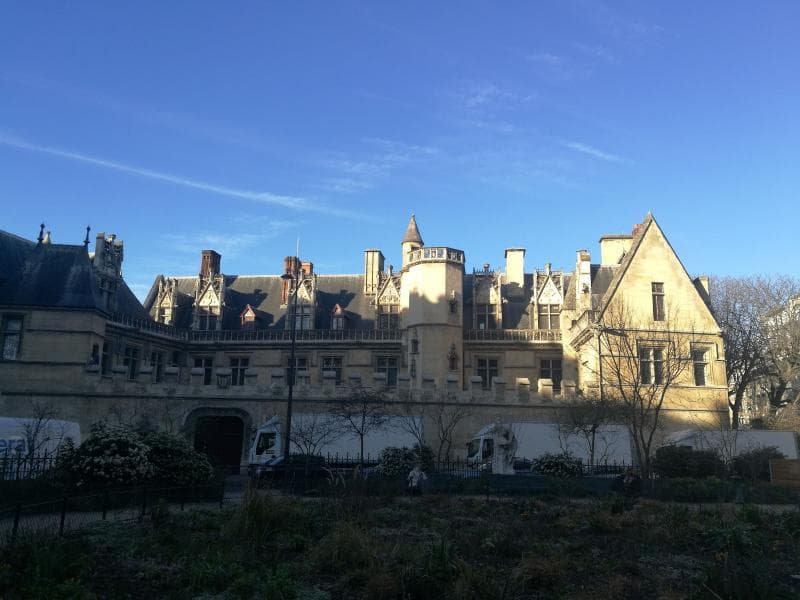
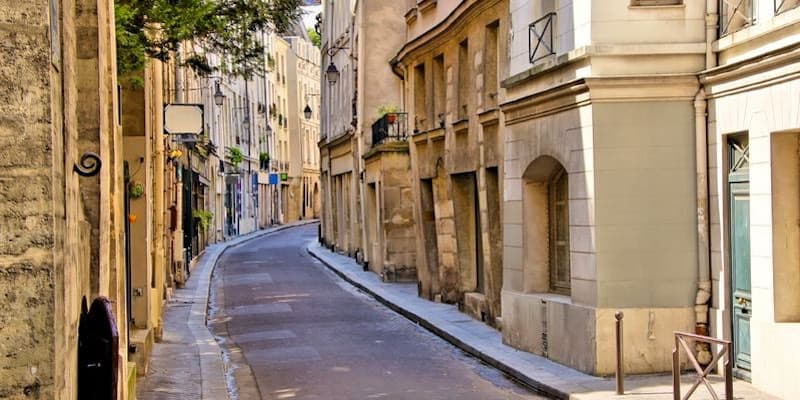
Explore Paris's historic Latin Quarter, a vibrant hub of academia, culture, and ancient charm. Discover the Sorbonne, Pantheon, and medieval streets.
Overview
Nestled on the Left Bank of the Seine, primarily within the 5th and parts of the 6th arrondissements, the Latin Quarter of Paris, France, is a district steeped in history, intellectual vibrancy, and cultural richness. Centered around the venerable Sorbonne University, this area is a captivating blend of ancient Roman vestiges, medieval pathways, and a bustling contemporary student atmosphere. It is known for its lively and convivial ambiance, attracting both scholarly minds and curious travelers alike.
Far from being a mere tourist facade, the Latin Quarter offers an authentic Parisian experience, where centuries of academic excellence intertwine with a bohemian spirit and everyday life. Its winding streets and historic buildings whisper tales of poets, philosophers, and revolutionaries, creating an inspiring environment where creativity and knowledge have flourished for generations.
History & Cultural Background
The story of the Latin Quarter stretches back to antiquity, when it was part of the Gallo-Roman city of Lutetia. Remnants of this distant past, such as the Arènes de Lutèce (an ancient Roman amphitheater) and the thermal baths within the Cluny Museum, still stand as testaments to its origins.
However, the district truly earned its iconic name during the Middle Ages. With the establishment of the University of Paris in the 12th century and the founding of the Sorbonne in 1257 by Robert de Sorbon, the area became a prominent center for learning. Scholars and students flocked here from across Europe, and Latin served as the universal language of academic instruction and communication among them. This widespread use of Latin gave the quarter its enduring identity.
Throughout the centuries, the Latin Quarter has remained a crucible of intellectual and philosophical thought. It has been a stage for significant historical events, including student movements of great political importance, such as the May 1968 protests, which had a profound impact on France. The district's academic roots have fostered a unique atmosphere where tradition constantly meets creative and critical thinking.
What Makes It Special
The Latin Quarter distinguishes itself through its unparalleled concentration of historic landmarks, prestigious educational institutions, and a vibrant cultural tapestry. It is home to world-renowned universities like the Sorbonne, the Collège de France, and other higher education establishments, which continue to infuse the area with youthful energy and intellectual debate.
Architecturally, it stands apart from much of Paris, as its narrow, winding streets were largely untouched by Baron Haussmann's 19th-century urban redesigns, preserving its medieval layout. This allows visitors to wander through lanes that have existed for nearly two millennia.
Key attractions that make this district special include the majestic Panthéon, a neoclassical mausoleum housing the remains of esteemed French figures such as Voltaire, Rousseau, Victor Hugo, and Marie Curie, and where Léon Foucault famously demonstrated the Earth's rotation.
The serene Luxembourg Gardens offer a verdant escape, with beautiful sculptures, fountains, and wide paths for leisurely strolls. The iconic Shakespeare and Company bookstore, a beacon for English-language literature, holds a cherished place in literary history. The Musée de Cluny, or the National Museum of the Middle Ages, showcases a rich collection of medieval art, including the famous 'Lady and the Unicorn' tapestries, and incorporates the ancient Gallo-Roman baths.
The bustling Rue Mouffetard, one of Paris's oldest market streets, offers a taste of local life, while the bouquinistes along the Seine provide a treasure trove of old books and prints.
Stories, Fun Facts & Local Details
Beyond its grand monuments, the Latin Quarter is rich with charming details and captivating stories. For instance, the Panthéon, originally built as a church, became a national mausoleum during the French Revolution, a testament to its evolving role in French history. Inside, you can still witness Foucault's pendulum, suspended beneath its vast dome, demonstrating the Earth's rotation.
Tucked away in Square René Viviani, adjacent to the Church of Saint-Julien-le-Pauvre, stands the oldest tree in Paris – a robinia planted in 1601. This peaceful spot also offers a superb view of Notre-Dame Cathedral.
Shakespeare and Company, with its bohemian ambiance, has long been a haven for writers, including literary giants like Ernest Hemingway, fostering a legacy of intellectual exchange.
The Latin Quarter's narrow streets, unlike the wide boulevards created by Haussmann elsewhere in Paris, retain a medieval charm, allowing visitors to feel connected to the city's ancient past. Even the Boulevard Saint-Michel, one of the few wide thoroughfares in the area, serves as a boundary between the 5th and 6th arrondissements, showcasing a contrast in urban planning within the district itself.
The area also hosts Paradis Latin, one of the oldest cabarets in Paris, originally built in 1803 by Napoleon and reconstructed by Gustave Eiffel.
Visitor Perspective
For the curious traveler, the Latin Quarter offers an immersive experience where every corner seems to have a story. It's one of the most walkable parts of Paris, with major sights conveniently close to one another, making it easy to explore on foot.
The lively atmosphere, fueled by its student population, means cafes, restaurants, and bookshops are abundant, providing ample opportunities to soak in the local culture. You can spend hours browsing for unique finds at the bouquinistes, enjoying a coffee at a historic cafe, or savoring diverse culinary delights, from traditional French bistros to international eateries, especially along streets like Rue Mouffetard and Rue de la Huchette.
Whether you're exploring ancient Roman ruins, marveling at medieval art, or simply observing the vibrant street life, the Latin Quarter offers a profound sense of Parisian intellectual life and history, making it an essential and unforgettable part of any visit to the French capital.
Coordinates: 2.3522, 48.8566
View on Google Maps💬 How Travelers Describe This Place
Based on community votes
Unique
683Interesting
642Photogenic
300Must See
251Beautiful
88
Traveler Stories
Discover memorable experiences shared by travelers who have visited this place.
No traveler stories yet.
Be the first traveler to share what made this place memorable.
Things to see at Latin Quarter



Tour
By
Spot
Discover amazing places around the world. Your journey starts here.
Explore
© 2026 TourBySpot. All rights reserved.