Kaleiçi (Old Town)
Antalya, Turkey
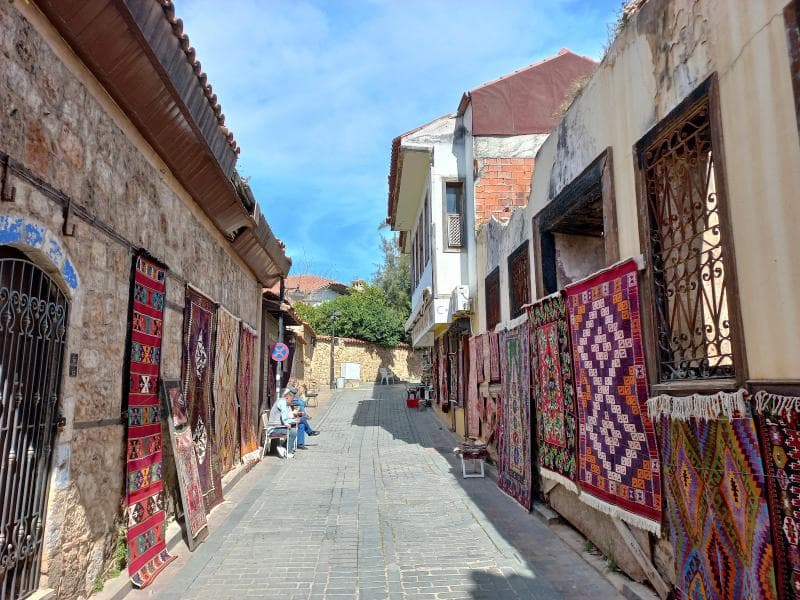
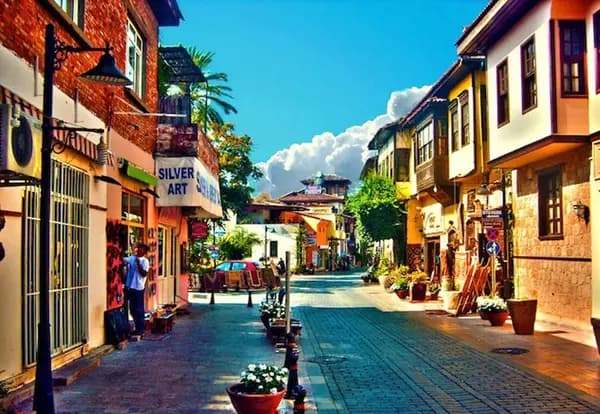
Explore Kaleiçi, Antalya's historic Old Town. Wander cobblestone streets, discover Roman ruins, Ottoman mansions, and a vibrant harbor in Turkey's captivating heart.
Overview
Nestled along the turquoise Mediterranean coast, Kaleiçi, meaning 'inside the castle,' stands as the historic heart of Antalya, Turkey. This enchanting walled district offers a captivating journey through time, a place where centuries of history are etched into its cobblestone streets and preserved architecture. It's not merely an old town; it is Antalya's original core, continuously inhabited since its founding, showcasing a unique blend of Roman, Byzantine, Seljuk, and Ottoman influences.
Kaleiçi is characterized by its labyrinthine alleys, beautifully restored Ottoman mansions, charming boutique hotels, and a picturesque Roman-era harbor that remains active today. As visitors step through its ancient gates, they are transported from the bustling modern city into a tranquil, living museum. While the district itself is free to explore, with shops and restaurants often open late into the evening, its true magic lies in the immersive experience of wandering its historic pathways.
History & Cultural Background
The origins of Kaleiçi trace back to the 2nd century BCE, when King Attalus II Philadelphus of Pergamon founded the city, naming it Attaleia after himself. Following the collapse of the Pergamon Kingdom, the city became part of the Roman Empire in 133 BCE. A pivotal moment in its Roman history was the visit of Emperor Hadrian in 130 CE, commemorated by the iconic Hadrian's Gate, which still serves as a grand entrance to the old town today.
Through the Byzantine era, Attaleia maintained its strategic and religious importance. The Seljuks conquered Antalya in the early 13th century, further shaping Kaleiçi's identity. During this period, the distinctive Yivli Minaret Mosque, a symbol of the city, was constructed, with its minaret likely commissioned under Sultan Alaeddin Keykubad I. Later, from the 15th century onwards, the Ottoman Empire left an indelible mark, evident in the traditional houses and architectural styles that dominate the district. The encompassing city walls are a testament to this layered history, incorporating masonry and designs from Hellenistic, Roman, Byzantine, Seljuk, and Ottoman periods.
While Kaleiçi experienced periods of decline, particularly in the 20th century, extensive restoration projects revitalized the area, transforming it into a vibrant cultural quarter that proudly preserves its rich past for future generations.
What Makes It Special
Kaleiçi's special charm stems from its remarkably preserved historical fabric and the seamless integration of various eras. The area's labyrinthine, cobbled streets are an invitation to explore, revealing hidden courtyards and bougainvillea-draped walls around every corner.
The Ottoman-era mansions, with their characteristic red-tiled roofs, wooden balconies, and lush, vine-covered courtyards, are a defining feature. These structures, many now repurposed as boutique hotels or cafes, offer a glimpse into the opulent lifestyles of past residents.
A standout landmark is Hadrian's Gate, a Roman triumphal arch through which centuries of history have passed. Walking beneath its three arches, visitors can observe deep ruts in the original marble road slabs, left by Roman chariots nearly two millennia ago. The gate itself presents a fascinating blend of history, with its southern tower dating to the Roman period and the northern tower rebuilt during the Seljuk reign, exhibiting distinct architectural styles side by side.
Another iconic symbol is the Yivli Minaret, or 'Fluted Minaret,' whose unique design, featuring eight interlocking brick segments, has graced Antalya's skyline for over 800 years. This minaret, part of a larger complex, stands as a testament to Seljuk artistry and engineering. The ancient harbor, once a bustling Roman trade hub, now peacefully hosts yachts and tour boats, providing stunning Mediterranean views and a tangible link to Kaleiçi's maritime past.
Stories, Fun Facts & Local Details
The very name Kaleiçi, 'inside the castle,' evokes images of a fortified sanctuary, which it has been throughout its existence. It's often said that getting deliberately lost within its intricate network of narrow streets is the best way to truly experience the old town, uncovering unexpected beauties and quiet corners.
A walk through Hadrian's Gate offers a unique tactile connection to ancient history; the worn chariot ruts are a fascinating detail, allowing one to literally follow in the footsteps of Roman legionnaires and emperors. The intricate floral and fruit motifs adorning the gate's ceiling are believed to symbolize the agricultural richness and fertility of Antalya during antiquity.
The Yivli Minaret is not just visually striking; its eight fluted segments are sometimes likened to slices of an eight-piece cake, a whimsical detail highlighting its distinctive design. During recent restoration work on the Yivli Minaret Mosque, historic water channels were uncovered beneath the structure, and are now visible through a glass floor section, offering a fascinating glimpse into ancient infrastructure.
Interestingly, Kaleiçi was once the entirety of Antalya before the modern city expanded around it. For centuries, it maintained a cosmopolitan structure, with diverse communities living in harmony within its walls. While much of its history is visible, it's believed that undiscovered Roman tombs and relics still lie buried beneath its ancient streets, hinting at even more layers of untold stories.
Visitor Perspective
Exploring Kaleiçi is best undertaken on foot, allowing for an intimate encounter with its charm and history. Given the prevalence of cobblestone streets, comfortable footwear is highly recommended to fully enjoy the experience.
The ambiance of Kaleiçi transforms throughout the day. Early mornings offer serene strolls before the crowds arrive, while late afternoons provide the best light for photography as the old walls glow with a honeyed hue. As evening descends, the district comes alive; streetlights illuminate the alleys, candles flicker at outdoor cafes, and the sounds of soft music drift from various establishments. This makes it an ideal place to enjoy dinner overlooking the marina or savor traditional Turkish tea.
Many visitors choose to stay within Kaleiçi, opting for one of the boutique hotels housed in beautifully restored Ottoman mansions, which offer a truly atmospheric and immersive experience. Beyond simply walking, boat trips departing from the old harbor provide a unique perspective of the coastline and the ancient town from the water. With its array of unique shops, cozy cafes, and diverse restaurants, Kaleiçi offers a rich tapestry of sights, sounds, and tastes, ensuring a memorable visit for any curious traveler.
Coordinates: 30.705833, 36.882777
View on Google Maps💬 How Travelers Describe This Place
Based on community votes
Beautiful
539Interesting
517Photogenic
422Unique
251Must See
234
Traveler Stories
Discover memorable experiences shared by travelers who have visited this place.
No traveler stories yet.
Be the first traveler to share what made this place memorable.
Things to see at Kaleiçi (Old Town)



Tour
By
Spot
Discover amazing places around the world. Your journey starts here.
Explore
© 2026 TourBySpot. All rights reserved.