Ottoman Houses & Boutique Hotels
Antalya, Turkey
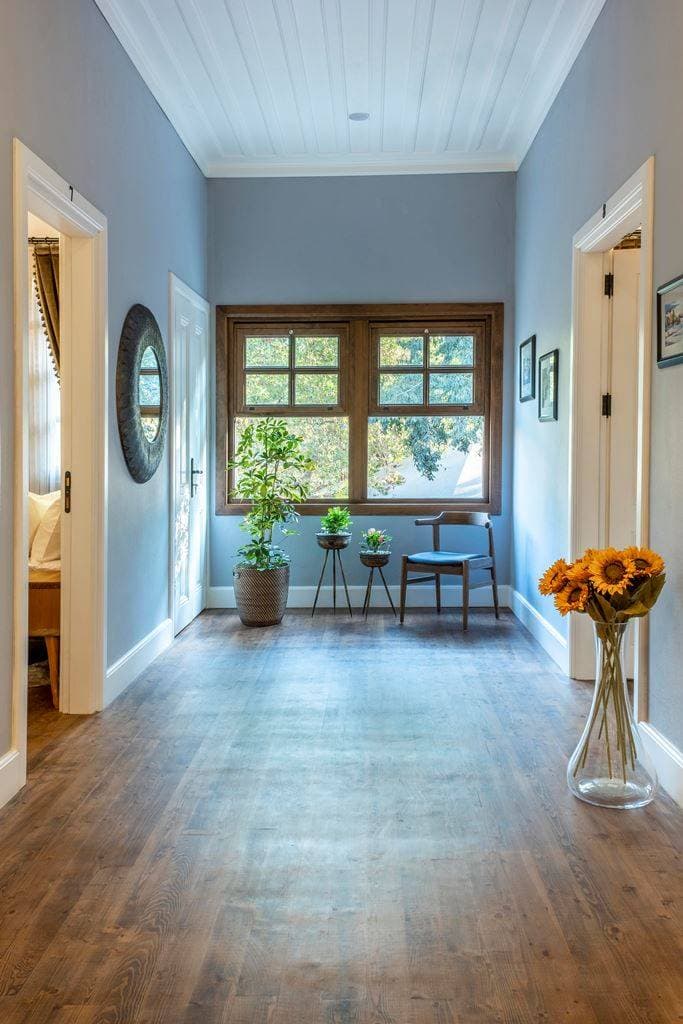

Explore Ottoman Houses & Boutique Hotels in Kaleiçi, Antalya, Turkey. Discover historic charm, unique architecture, and cultural stories in the Old Town.
Overview
Kaleiçi, the historic heart of Antalya, Turkey, invites travelers on a captivating journey through time. Nestled along the Mediterranean coast, this charming Old Town is renowned for its labyrinthine cobblestone streets, ancient city walls, and a picturesque harbor that once bustled with Roman, Byzantine, Seljuk, and Ottoman trade. Today, Kaleiçi is a vibrant blend of residential areas, cultural sites, and a thriving commercial scene. Its most distinctive feature is the collection of beautifully preserved Ottoman houses, many of which have been thoughtfully restored and repurposed into unique boutique hotels, inviting restaurants, and artisanal shops.
Walking through Kaleiçi is an immersive experience, where every corner reveals layers of history. The district's rich heritage is palpable in its architecture, reflecting the diverse civilizations that have shaped its identity over millennia. From the grandeur of Hadrian's Gate to the tranquil courtyards of the Ottoman houses, Kaleiçi offers a serene escape into Antalya’s storied past, standing in delightful contrast to the city’s more modern developments.
History & Cultural Background
The origins of Kaleiçi trace back to approximately 150 BC, when King Attalus II of Pergamon founded the city as Attaleia. Initially conceived as a crucial port city, it featured a well-planned harbor and robust fortifications. Following the collapse of the Pergamon Kingdom, the city briefly gained independence before falling under the sway of pirates. It was eventually incorporated into the Roman Empire in 133 BC. A significant milestone in its Roman era was the visit of Emperor Hadrian in 130 CE, which spurred considerable urban and architectural development, notably commemorated by the impressive Hadrian’s Gate.
Attaleia continued to flourish as a bishopric center during the Byzantine period, maintaining its strategic and religious importance. Successive Seljuk and Ottoman rules further enriched its cultural tapestry, with each empire leaving an indelible mark on its architecture and urban fabric. While modern Antalya grew around it, Kaleiçi largely retained its historical essence. Many of the traditional houses seen today were constructed in the late 19th and early 20th centuries, embodying the distinct Ottoman residential style. Over recent decades, extensive restoration projects have breathed new life into the Old Town, preserving its historical integrity and transforming dilapidated structures into the cherished landmarks and accommodations visitors enjoy today.
What Makes It Special
What truly sets Kaleiçi apart is the enchanting transformation of its traditional Ottoman houses into boutique hotels. These are not merely accommodations, but living pieces of history, offering guests a chance to reside within centuries-old walls. The architecture itself tells a story: houses are typically two-storied, with robust stone foundations on the ground floor providing stability, while the upper floors are often crafted from wood, a technique used for seismic resilience.
These traditional homes were designed with a keen understanding of the local climate and cultural practices. Courtyards and shaded walls were integral, ensuring cool air circulation during Antalya's hot summers. The interiors often featured multi-functional rooms, a practice rooted in the nomadic heritage of the Turks, where a single space could serve for eating, sleeping, or even bathing. Furniture was typically minimalistic and often designed to be easily stored, allowing rooms to be completely opened and adapted to various needs. This thoughtful design creates an intimate and authentic atmosphere, making a stay in an Ottoman house or boutique hotel in Kaleiçi a unique cultural immersion.
Stories, Fun Facts & Local Details
Delving into the local details of Kaleiçi reveals fascinating insights into its past. The renowned Ottoman traveler Evliya Çelebi, who visited in the 17th century, documented approximately 3,000 houses within the fortress walls, painting a picture of a bustling, densely populated old city. The adaptive nature of the Ottoman residential design, allowing rooms to be easily reconfigured by packing away furniture, reflects a pragmatic approach to living spaces that maximized utility and openness.
The cultural significance of these homes extends to societal roles, where the architecture often mirrored the private family life of the era, emphasizing the woman's central role within the household. Today, the Suna-İnan Kıraç Kaleiçi Museum, housed within a restored 19th-century Kaleiçi residence, stands as a testament to the ongoing efforts to preserve and celebrate Turkish culture and the distinct architectural heritage of the area. These details add a rich layer of understanding to the physical beauty of Kaleiçi, transforming a mere visit into a meaningful exploration of history and tradition.
Visitor Perspective
For the curious traveler, staying in Kaleiçi offers an unparalleled opportunity to truly live within Antalya's history. The experience is markedly different from typical resort stays, providing an authentic connection to the city's past. Guests find themselves within easy walking distance of iconic landmarks such as Hadrian's Gate, the historic Roman harbor, and the Hıdırlık Tower, making exploration effortless and rewarding.
Evenings are particularly magical, with opportunities for leisurely strolls along the ancient streets, dining in charming courtyard restaurants, and soaking in the vibrant yet serene atmosphere. Many boutique hotels in Kaleiçi feature vine-covered courtyards and stone corridors, providing a sense of timeless tranquility. When booking, it's a useful tip for light sleepers to request courtyard-facing rooms, as some establishments are close to lively streets. Additionally, travelers with mobility concerns should inquire about ground-floor rooms, as many of these historic buildings feature narrow, original staircases without lifts, adding to their authentic charm. This intimate setting allows visitors to forge a deep connection with the soul of Antalya.
Coordinates: 30.70655, 36.8841
View on Google Maps💬 How Travelers Describe This Place
Based on community votes
Interesting
984Beautiful
856Photogenic
848Must See
711Unique
143
Traveler Stories
Discover memorable experiences shared by travelers who have visited this place.
No traveler stories yet.
Be the first traveler to share what made this place memorable.

Tour
By
Spot
Discover amazing places around the world. Your journey starts here.
Explore
© 2026 TourBySpot. All rights reserved.