Graz Opera House
Graz, Austria
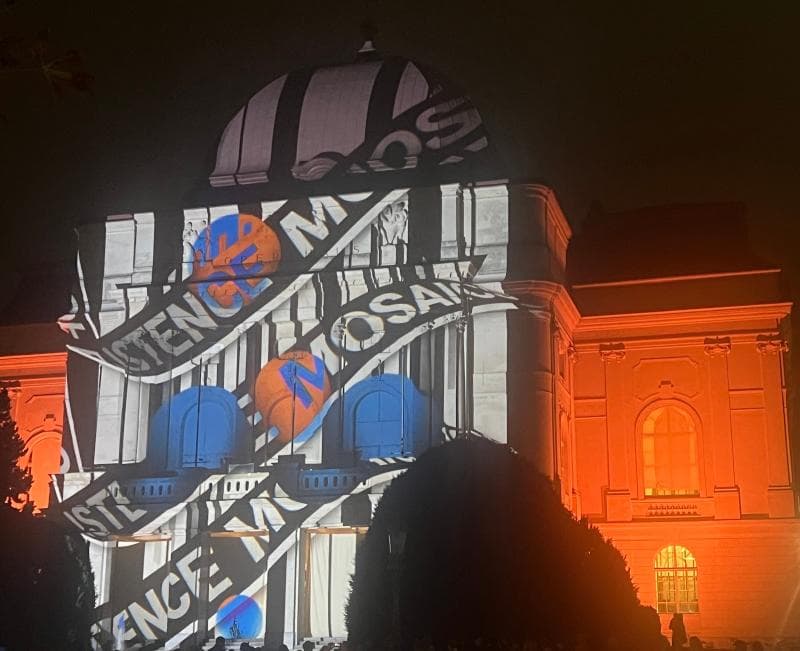
Discover the stunning Graz Opera House in Graz, Austria. This Neo-Baroque architectural gem offers world-class opera, ballet, and concerts. Explore its rich history and cultural significance in the heart of a UNESCO World Heritage city.
Overview
The Graz Opera House, nestled in Graz, Austria, stands as a magnificent testament to architectural grandeur and artistic excellence. As Austria's second-largest opera house, it plays a pivotal role in the city's rich cultural landscape, captivating both local and international audiences. Opened in 1899, this Neo-Baroque masterpiece is more than a performance venue; it is a significant landmark within the UNESCO World Heritage city of Graz. Its imposing façade and ornate interiors invite visitors into a world where history and contemporary art beautifully converge. The opera house serves as a vibrant hub for opera, ballet, musicals, and concerts, showcasing a diverse repertoire that bridges classical traditions with modern interpretations.
History & Cultural Background
The history of the Graz Opera House extends back to the 17th century, when opera performances first graced Graz, often held in a repurposed coach house on the Habsburg royal estates. Growing cultural aspirations led to plans for a new theatre in 1887. Renowned Viennese architects Ferdinand Fellner and Hermann Helmer, celebrated for their theatre designs across Central and Eastern Europe, were commissioned. They envisioned a stunning Neo-Baroque building, inspired by the iconic Vienna State Opera. On September 16, 1899, the house, then the municipal theatre, opened its doors not with an opera, but with Schiller's drama 'Wilhelm Tell', followed by Wagner's 'Lohengrin'. Despite sustaining damage during World War II, the theatre was meticulously restored and resumed operations. A significant modernization occurred between 1983 and 1985, updating facilities while preserving its original splendor. This enduring commitment highlights its deep cultural roots.
What Makes It Special
What truly distinguishes the Graz Opera House is its harmonious fusion of historical majesty and artistic dynamism. Architecturally, it is a masterpiece, featuring a symmetrical Neo-Baroque facade adorned with intricate sculptures and classical elements. Inside, opulence continues with a magnificent marble staircase, spacious foyers, and an elaborately decorated auditorium seating nearly 1,400 patrons. The interior's gold and red splendor evokes the imperial Habsburg era, yet it seamlessly integrates modern stage technology for contemporary productions. As the home of the Graz Philharmonic Orchestra, the opera house is a bastion of musical excellence, presenting a wide array of performances from grand operas and operettas to ballets and concerts. Its dedication to both classic and contemporary works earned it the prestigious title of 'Opera House of the Year' in 2001, underscoring its exceptional programming. It is also proudly part of the Emperor Route (Historic Theatres in Europe), affirming its significant European cultural standing.
Stories, Fun Facts & Local Details
The Graz Opera House is rich with fascinating stories and local character. Noteworthy musicians like conductor Karl Böhm and composer Robert Stolz, who served as music director at a young age, began their careers here, both being Graz natives. A striking modern contrast to the historic building is the 'Lichtschwert' (Light Sword) sculpture by Hartmut Skerbisch, which stands prominently outside. Originally created for the 'steirischer herbst' festival in 1992 to commemorate America's discovery, this modern steel sculpture symbolizes human rights and cultural awareness. It has become a beloved and integral part of Graz's cityscape, perfectly illustrating the city's unique blend of modernism and tradition. The building's initial opening with a drama, rather than an opera, also provides an intriguing historical note, showcasing its early role as a versatile municipal theatre.
Visitor Perspective
A visit to the Graz Opera House offers more than just a performance; it is an immersive cultural journey. Guided tours are regularly available, allowing curious travelers to explore its magnificent interiors, gain behind-the-scenes insights, and delve into its rich history. The opera house is centrally located in Graz, easily accessible via public transport, with tram and bus lines stopping directly at Kaiser-Josef-Platz. This prime location allows visitors to combine an opera visit with a stroll through the charming UNESCO World Heritage city center or a visit to the Kaiser-Josef Market. The venue is also committed to accessibility, providing barrier-free access and wheelchair spaces to ensure an enjoyable experience for all patrons. Whether attending a world-class production or simply admiring its architectural splendor, the Graz Opera House provides a memorable glimpse into the vibrant artistic soul of Graz.
Coordinates: 15.4457, 47.069
View on Google Maps💬 How Travelers Describe This Place
Based on community votes
Unique
623Photogenic
545Interesting
343Beautiful
302Must See
88
Traveler Stories
Discover memorable experiences shared by travelers who have visited this place.
No traveler stories yet.
Be the first traveler to share what made this place memorable.
Things to see at Graz Opera House



Tour
By
Spot
Discover amazing places around the world. Your journey starts here.
Explore
© 2026 TourBySpot. All rights reserved.