Orchestra Pit
Graz, Austria
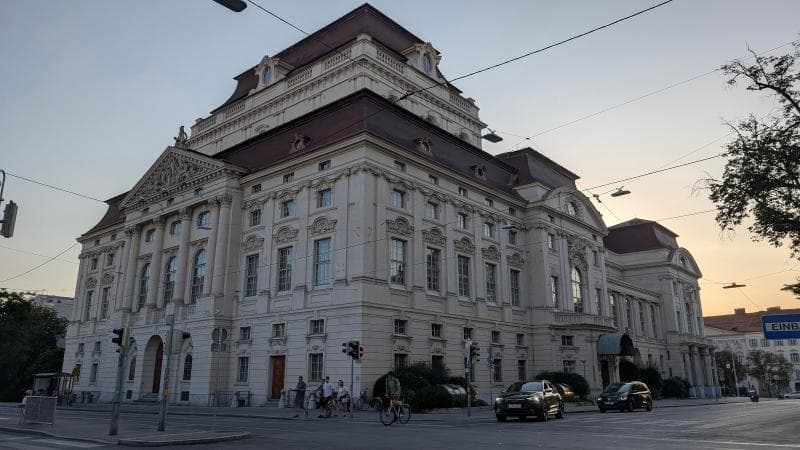
Explore the historic orchestra pit of the Graz Opera House in Graz, Austria, home to the Graz Philharmonic Orchestra and a vital part of its Neo-Baroque splendor.
Overview
Nestled in the heart of Graz, Austria, the Graz Opera House stands as a magnificent Neo-Baroque masterpiece, a testament to the city's rich cultural heritage. Within this architectural jewel lies its vital nerve center for musical performance: the orchestra pit. More than just a recessed space, this area is meticulously designed to house the Graz Philharmonic Orchestra, ensuring that every note played contributes seamlessly to the theatrical magic unfolding on stage. It is here, often unseen, that the powerful synergy between music and drama truly comes alive, enriching the experience for every opera-goer in this historic venue.
History & Cultural Background
The Graz Opera House, known locally as Opernhaus Graz, opened its doors in 1899, designed by the renowned Viennese architects Ferdinand Fellner and Hermann Helmer. Their vision created a building in the opulent Neo-Baroque style, reflecting the grandeur and artistic aspirations of its era. As the second-largest opera house in Austria, it quickly established itself as a beacon of artistic excellence. The concept of an orchestra pit evolved significantly over centuries, moving from musicians placed on balconies to dedicated, lowered areas like the one found in Graz Opera. This evolution aimed to achieve a more harmonious blend of sound and visuals, allowing the audience to focus on the stage while being enveloped by the music. The Graz Opera's pit embodies this historical development, serving as the physical and acoustical foundation for the stunning productions staged here.
What Makes It Special
The orchestra pit at Graz Opera is special for its integral role in delivering world-class performances. It's a carefully engineered environment where the Graz Philharmonic Orchestra, the resident ensemble, performs. The pit's design is crucial for optimal acoustics, directing the rich sounds of the instruments towards the audience without overwhelming the vocalists or obstructing views. Its strategic placement between the stage and the audience ensures that the musicians are close enough to the theatrical action for precise coordination, yet subtly out of direct sight, allowing the visual narrative to remain paramount. This delicate balance of presence and discretion is a hallmark of a well-designed opera house pit, enabling a truly immersive experience where the music breathes life into the story.
Stories, Fun Facts & Local Details
While specific 'stories' about the Graz Opera's orchestra pit might be closely guarded secrets of the musicians and crew, the very nature of an orchestra pit is steeped in fascinating details. Consider the immense challenge of conductors, nestled in the pit, guiding dozens of musicians while simultaneously communicating with singers on a distant stage. This feat of coordination is often aided by subtle cues and, in modern times, even discreet video monitors for complex synchronizations. The pit allows for a unique auditory illusion; the music seems to emerge from the entire theater, rather than a single source, creating a 'living' soundscape. The Graz Philharmonic Orchestra, an integral part of the opera house, brings this soundscape to life, having been recognized for its exceptional quality. Each performance is a testament to the unseen artistry and precision within this hidden space.
Visitor Perspective
For visitors attending a performance at the Graz Opera, the orchestra pit is an unseen hero, subtly enhancing every moment. From the auditorium, you might catch glimpses of a conductor's expressive gestures or the gleam of an instrument, but primarily, you experience the unified, glorious sound emerging from below. It's the silent force behind the drama, ballet, and operettas that grace this stage. For those curious to delve deeper, the Graz Opera House offers regular guided tours, providing behind-the-scenes insights into this magnificent music theatre. While direct access to the orchestra pit might vary, these tours offer a broader understanding of the opera house's architecture, history, and daily operations, allowing visitors to appreciate the intricate workings, including the role of the orchestra pit, that make each performance unforgettable.
Coordinates: 15.445556, 47.068889
View on Google Maps💬 How Travelers Describe This Place
Based on community votes
Photogenic
639Unique
421Interesting
366Must See
298Beautiful
212
Traveler Stories
Discover memorable experiences shared by travelers who have visited this place.
No traveler stories yet.
Be the first traveler to share what made this place memorable.

Tour
By
Spot
Discover amazing places around the world. Your journey starts here.
Explore
© 2026 TourBySpot. All rights reserved.