Opera Square
Graz, Austria
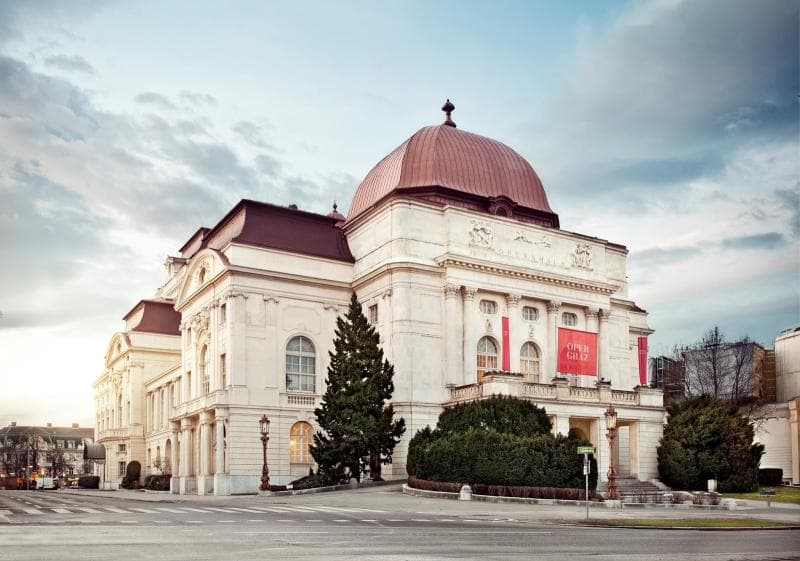
Discover Opera Square, the vibrant area around Graz Opera House in Graz, Austria. Explore Neo-Baroque architecture, rich history, and local culture.
Overview
Stepping into Opera Square in Graz, Austria, is to immerse oneself in a vibrant tapestry where historical grandeur meets contemporary city life. While not a distinct square named 'Opera Square' on maps, this term beautifully encapsulates the dynamic public space immediately surrounding the iconic Graz Opera House. It is here, at the heart of Graz's cultural district, that the magnificent Neo-Baroque edifice of the Oper Graz commands attention, serving as a focal point for locals and visitors alike. This area functions as a lively meeting point, a place for leisurely strolls, and a gateway to the rich artistic traditions housed within the opera house itself.
The square's atmosphere is defined by the impressive architecture of the opera house, a testament to 19th-century elegance, and the bustling activity of nearby amenities like the Kaiser Josef Market. It's a place where you can feel the pulse of Graz – a city proud of its heritage yet constantly evolving.
History & Cultural Background
The history of Opera Square is inextricably linked to the Graz Opera House, a cultural landmark whose origins trace back to the late 19th century. In 1897, the city council decided to commission a new theatre to commemorate Emperor Franz Joseph I's 50th jubilee. Construction began in 1898, and by September 1899, the Graz Opera was ready to open its doors.
Designed by the renowned Viennese architects Ferdinand Fellner and Hermann Helmer, the building stands as a masterpiece of Neo-Baroque architecture, inspired by the grand design of the Vienna State Opera. Its imposing facade, adorned with intricate sculptures and ornate decorations, immediately established it as a symbol of modernity and sophistication in Graz. Over the decades, the opera house has endured. It suffered damage during World War II bombings but was meticulously restored to its former glory, with significant renovations occurring between 1983 and 1985 to integrate modern facilities while preserving its original charm. Today, it remains Austria's second-largest opera house and a cornerstone of the city's artistic identity.
What Makes It Special
What truly makes 'Opera Square' special is the harmonious blend of architectural splendor and vibrant community life it fosters. The Graz Opera House itself is a visual feast, with its Neo-Baroque brilliance featuring a distinctive dome, grand entrance portico, and lavish interiors, including an opulent foyer and a magnificent marble staircase. It is home to the Graz Philharmonic Orchestra and hosts a diverse repertoire of opera, ballet, musicals, and concerts, cementing its role as a premier cultural institution.
Beyond the performances, the square offers more. Just beside the opera house lies the Kaiser Josef Market, a beloved open market where visitors can experience local flavors, from regional produce to traditional Styrian delicacies. This juxtaposition of high culture and everyday life creates a unique urban experience. Furthermore, a striking contemporary element, the 'Lichtschwert' (Light Sword) sculpture, stands prominently next to the opera house, serving as a powerful message for human rights and adding a thought-provoking modern contrast to the historic building.
Stories, Fun Facts & Local Details
The Graz Opera House opened with considerable fanfare on September 16, 1899, with a performance of Friedrich Schiller's drama 'Wilhelm Tell', followed shortly by Richard Wagner's opera 'Lohengrin'. This dual inauguration underscored its importance as a venue for both dramatic and musical arts. A fun fact for opera aficionados: the Graz Opera was awarded 'Opera House of the Year' in the German-speaking countries for the 2000/01 theatre season by a panel of 50 theatre critics, a testament to its exceptional productions and artistic excellence.
Another fascinating detail is the 'Lichtschwert' sculpture. This modern artwork, shaped like a glowing sword, stands in deliberate contrast to the historic opera house, symbolizing Graz's commitment to cultural awareness and human rights. It's a poignant reminder that while the city cherishes its past, it also embraces progressive values. The proximity to the Kaiser Josef Market means that the air around Opera Square often carries the delightful scents of fresh bread, cheeses, and regional produce, providing an authentic sensory experience of local Styrian life.
Visitor Perspective
For a curious traveler, a visit to 'Opera Square' is an enriching experience that transcends merely admiring a building. It's an invitation to engage with Graz's cultural soul. Whether you attend a world-class performance inside the magnificent auditorium or simply take a moment to absorb the architectural details from the outside, the grandeur is palpable. The building's ornate decorations and the majestic scale of its Neo-Baroque design truly transport you to another era.
Guided tours are regularly offered, providing an invaluable opportunity for behind-the-scenes insights into the opera house's architecture, history, and daily operations. These tours allow visitors to explore areas typically hidden during a performance, offering a deeper appreciation for this cultural institution. The area is well-connected by public transport, making it easily accessible. Moreover, the Graz Opera is committed to accessibility, offering step-free access via a side entrance and providing wheelchair spaces, ensuring an inclusive experience for all who wish to explore this gem of Graz.
Coordinates: 15.44568, 47.069
View on Google Maps💬 How Travelers Describe This Place
Based on community votes
Photogenic
872Interesting
846Must See
201Beautiful
121Unique
87
Traveler Stories
Discover memorable experiences shared by travelers who have visited this place.
No traveler stories yet.
Be the first traveler to share what made this place memorable.

Tour
By
Spot
Discover amazing places around the world. Your journey starts here.
Explore
© 2026 TourBySpot. All rights reserved.