Croatian National Theatre
Zagreb, Croatia
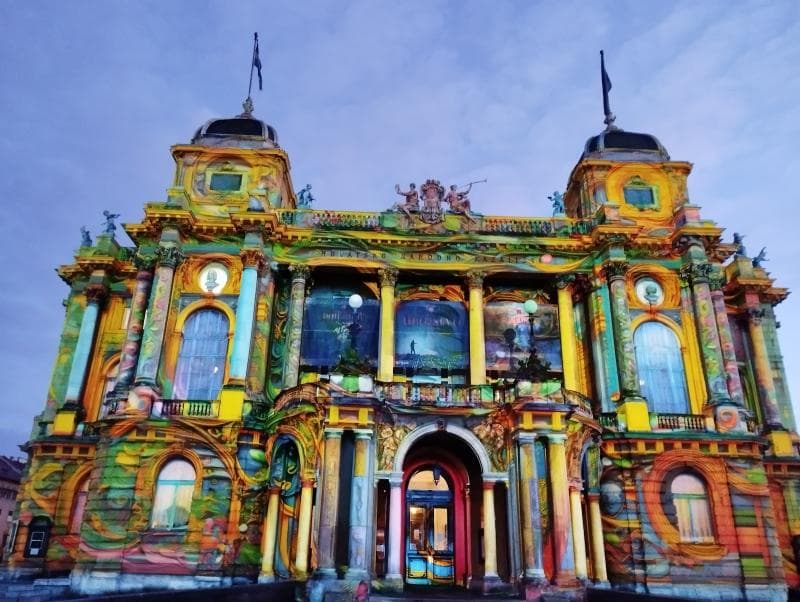
Discover the Croatian National Theatre in Zagreb, Croatia – a Neo-Baroque gem showcasing rich history, stunning architecture, and vibrant performing arts.
Overview
The Croatian National Theatre in Zagreb, known locally as HNK Zagreb, stands as a radiant cultural beacon in the heart of Croatia's capital. With its striking Neo-Baroque facade, painted a vibrant yellow, it is one of the city's most recognizable landmarks, majestically situated on Republic of Croatia Square. This prestigious institution serves as the central hub for drama, opera, and ballet in Croatia, hosting three permanent ensembles that bring a diverse range of performances to life. Surrounded by well-maintained lawns and blossoming flowers, the theatre offers not just artistic experiences, but also a picturesque setting that enhances its grandeur.
History & Cultural Background
The origins of the Croatian National Theatre trace back to 1860, officially beginning its work on November 24th of that year. It gained significant government support in 1861, elevating its status to parallel other esteemed European national theatres. However, the concept of a national theatre in Zagreb dates even earlier, to the 1840s, rooted in the Illyrian cultural movement which sought to promote Croatian language and identity through dramatic arts.
The current magnificent building, a masterpiece of Viennese architects Ferdinand Fellner and Hermann Helmer, opened its doors on October 14, 1895. These renowned architects were responsible for designing numerous theatres across Europe. The decision to construct a new theatre was spurred partly by the damage the old facility sustained in the 1880 Zagreb earthquake and accelerated by the impending visit of Emperor Franz Joseph I. Its establishment marked a pivotal moment in Croatian cultural history, solidifying Zagreb's position as a vibrant artistic center.
What Makes It Special
What truly sets the Croatian National Theatre apart is its harmonious blend of historical significance, architectural splendor, and a dynamic artistic program. The Neo-Baroque design of the building itself is a work of art, featuring a richly decorated interior that complements its bright exterior. The theatre proudly houses three permanent ensembles—drama, opera, and ballet—each contributing to a comprehensive repertoire that spans Croatian and world classics, as well as modern and contemporary works. With over 12 premieres and more than 220 performances annually, it remains a leading force in Croatian theatre production. The HNK Zagreb is also recognized internationally, participating in global projects like the World Theatre Festival and collaborating with prominent foreign cultural institutions, extending its influence far beyond Croatian borders.
Stories, Fun Facts & Local Details
The theatre's opening on October 14, 1895, was a grand affair, personally attended by Austro-Hungarian Emperor Franz Joseph I. A memorable detail from this event is the silver hammer he used to symbolically strike the last nail, a hammer specially crafted for the occasion by sculptor Robert Frangeš Mihanović. In front of the theatre, visitors can admire 'The Well of Life,' a notable sculpture by Ivan Meštrović from 1905, often considered among his finest works, depicting figures entwined around a circular basin. The construction of the theatre involved over two hundred local artisans, showcasing the craftsmanship and dedication within the region. Even during challenging times, such as the COVID-19 pandemic, the theatre adapted, offering performances via a YouTube channel to keep culture accessible, demonstrating its enduring commitment to the arts.
Visitor Perspective
For a curious traveler, the Croatian National Theatre offers more than just a performance venue; it's a journey into Croatian culture and history. While attending a drama, opera, or ballet performance provides the most immersive experience, guided tours are also available, offering a 'behind-the-scenes' look at areas normally inaccessible to the public. These tours explore the auditorium, the royal box, the foyer, and even the theatre tunnels, providing engaging stories about its history and the artists who have graced its stage. Tours typically last about an hour for the main building, with options for combined visits to the production complex. Ticket prices for performances and tours are generally affordable, and special rates are often available for students and seniors. It's advisable to check the official website for current schedules and to book tickets in advance, especially since the theatre is a working institution with ongoing rehearsals.
Coordinates: 15.97004, 45.80942
View on Google Maps💬 How Travelers Describe This Place
Based on community votes
Unique
931Must See
692Photogenic
655Beautiful
491Interesting
266
Traveler Stories
Discover memorable experiences shared by travelers who have visited this place.
No traveler stories yet.
Be the first traveler to share what made this place memorable.
Things to see at Croatian National Theatre



Tour
By
Spot
Discover amazing places around the world. Your journey starts here.
Explore
© 2026 TourBySpot. All rights reserved.