Chinatown
San Francisco, United States
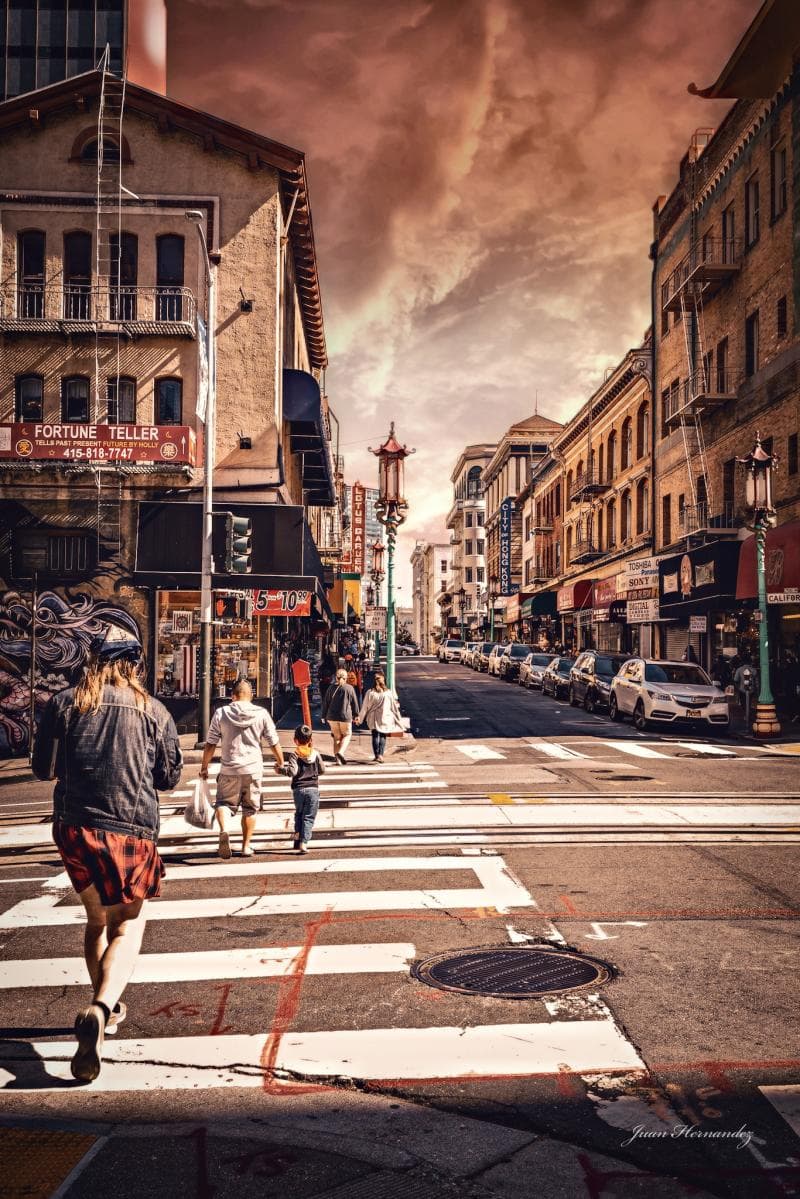
Discover San Francisco's Chinatown, the oldest in North America. Explore its rich history, vibrant culture, unique architecture, and culinary delights in the United States.
Overview
San Francisco's Chinatown is a remarkable and vibrant district, serving as the oldest Chinatown in North America and one of the largest Chinese enclaves outside of Asia. It's a 'city within a city' where visitors can immerse themselves in a rich tapestry of history, culture, and daily life. This historic neighborhood covers approximately 24 square blocks in downtown San Francisco, drawing more visitors annually than even the iconic Golden Gate Bridge. It stands as a powerful symbol of resilience, cultural preservation, and the ongoing Chinese-American experience in the United States.
History & Cultural Background
The story of San Francisco's Chinatown began in the early 1850s, during the California Gold Rush, when Chinese immigrants, primarily from Guangdong Province in southern China, arrived in large numbers seeking opportunity. San Francisco served as their main port of entry, and what became Chinatown provided a sanctuary from the hostilities and discrimination they faced in other parts of the West. Despite facing significant challenges, including discriminatory legislation like the Chinese Exclusion Act of 1882, the community not only survived but thrived, establishing its own customs, languages, places of worship, and social clubs. Portsmouth Square, often called the birthplace of San Francisco, was central to the early Chinese community and remains a significant gathering place. After the devastating 1906 earthquake leveled much of the city, including Chinatown, city leaders attempted to relocate the community. However, local leaders fiercely resisted, rebuilding the neighborhood with distinctive Chinese architectural elements to solidify its identity and attract tourism.
What Makes It Special
What truly sets San Francisco's Chinatown apart is its profound sense of authenticity and its ability to transport visitors to another world. From the moment you pass through the ornate Dragon Gate at Grant Avenue and Bush Street, you are enveloped in an atmosphere rich with distinct Chinese culture. The streets are lined with pagoda-style buildings, vibrant red lanterns, and intricate architectural details that speak to centuries of tradition. It's a densely populated urban area that expertly balances its role as a major tourist attraction with its identity as a living, breathing residential community for thousands of immigrants. This blend of historical depth, cultural vibrancy, and daily community life creates an immersive experience unlike any other.
Stories, Fun Facts & Local Details
Chinatown is a treasure trove of fascinating stories and hidden gems. Wander into the famous Golden Gate Fortune Cookie Factory in Ross Alley, where fortune cookies have been handmade since 1962, filling the air with a sweet vanilla aroma. Explore the district's numerous narrow alleys, each with its own character and history. Waverly Place, known for its 'Street of Painted Balconies,' is home to the Tin How Temple, the oldest Buddhist/Taoist temple in the United States, nestled on the fourth floor of a colorful building. While Grant Avenue caters to tourists with souvenir shops and landmarks, Stockton Street offers a glimpse into local life with bustling markets selling fresh produce and seafood, where residents do their daily shopping. It's rumored that Chop Suey, a well-known Chinese-American dish, may have originated here, adding to Chinatown's culinary mystique. The community's vibrant street festivals, especially the Lunar New Year celebration, are renowned for their dragon dances, drumming, and colorful parades, making it the largest Chinese New Year celebration outside Asia.
Visitor Perspective
For any curious traveler, a visit to San Francisco's Chinatown is an enriching journey for all senses. The aroma of authentic Chinese cuisine wafts from countless restaurants and food stalls, offering everything from traditional dim sum and hand-pulled noodles to street snacks like egg tarts and bao. Shopping here is an adventure, with unique shops offering traditional herbs, silk garments, jade jewelry, and intricate Chinese lanterns. Beyond the bustling main streets, exploring the quieter alleyways reveals murals, historic buildings, and a deeper sense of the neighborhood's past and present. Engaging with local businesses and institutions like the Chinese Historical Society of America or the Chinese Culture Center provides deeper insight into the community's heritage and ongoing contributions. It's a place where history resonates, culture thrives, and every corner holds a new discovery, making it a truly unforgettable destination for those seeking an authentic cultural experience.
Coordinates: -122.40694, 37.79417
View on Google Maps💬 How Travelers Describe This Place
Based on community votes
Unique
791Interesting
514Beautiful
457Must See
252Photogenic
207
Traveler Stories
Discover memorable experiences shared by travelers who have visited this place.
No traveler stories yet.
Be the first traveler to share what made this place memorable.
Things to see at Chinatown



Tour
By
Spot
Discover amazing places around the world. Your journey starts here.
Explore
© 2026 TourBySpot. All rights reserved.