Grant Avenue
San Francisco, United States
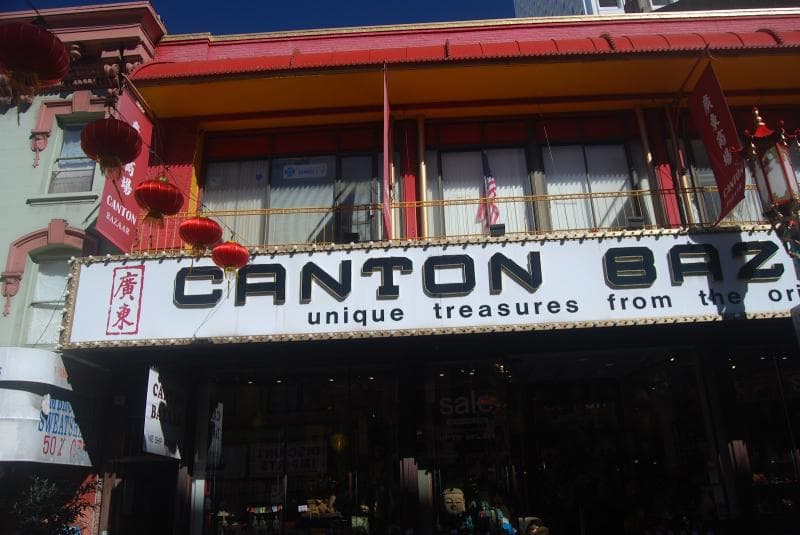
Explore Grant Avenue, the historic heart of San Francisco's Chinatown, United States. Discover its rich history, unique architecture, and vibrant cultural experience.
Overview
Grant Avenue stands as the vibrant primary thoroughfare threading through San Francisco's historic Chinatown, a bustling district recognized as the oldest Chinatown in North America and one of the largest Chinese enclaves outside of Asia. It serves as a captivating gateway, inviting visitors into a distinct cultural world that feels a continent away from the surrounding city. The avenue begins its enchanting journey at the iconic Dragon Gate at Bush Street, a symbolic entrance adorned with intricate carvings and guardian lions, marking a transition into a truly immersive experience. From this point, Grant Avenue stretches northward, a lively corridor where traditional Chinese culture thrives amidst a dynamic urban setting.
History & Cultural Background
The story of Grant Avenue is deeply intertwined with the very beginnings of San Francisco itself. Originally known as Calle de la Fundación, or 'street of the founding,' in 1845 when the area was still Yerba Buena, it is one of the city's oldest streets. Following California's cession to the United States in 1846, it was renamed Dupont Street, honoring a naval admiral. In the mid-19th century, as Chinese immigrants arrived in San Francisco, drawn by the California Gold Rush, Dupont Street became the heart of the burgeoning Chinese community. It was a place where Chinese stores flourished, though it also held a more complex reputation with its share of opium dens and Tong wars.
After the devastating 1906 earthquake and fire, which leveled much of San Francisco, Dupont Street was rebuilt and rebranded. To shed its unsavory past and symbolize a new beginning, it was renamed Grant Avenue in honor of President Ulysses S. Grant. The rebuilding efforts consciously incorporated Chinese architectural styles, giving the neighborhood its distinctive and visually striking appearance that continues to define it today.
What Makes It Special
Grant Avenue's distinctiveness lies in its unique blend of historical authenticity and vibrant cultural expression. Walking along its length, one encounters dragon-entwined lamp posts, traditional Chinese calligraphy street signs, and buildings adorned with pagoda-style roofs. These architectural details, deliberately chosen during the post-1906 reconstruction, create an immediate sense of place and immersion. The avenue is a sensory tapestry, filled with the aromas of traditional herbs, the visual feast of colorful lanterns strung overhead, and the sounds of a bustling marketplace.
Shops lining Grant Avenue offer a dazzling array of goods, from traditional Chinese herbs and teas to exquisite porcelains, silk garments, and unique souvenirs from China, Hong Kong, and Taiwan. Beyond the main thoroughfare, the surrounding alleyways like Ross Alley and Waverly Place reveal additional layers of charm, with their painted balconies and hidden gems, including the Golden Gate Fortune Cookie Factory. The presence of cultural institutions, temples like the historic Tin How Temple, and legacy businesses further cement Grant Avenue's status as a special and deeply cultural destination.
Stories, Fun Facts & Local Details
Despite its official name change, some older members of the Chinese community still affectionately refer to Grant Avenue as 'Du Pon Gai,' with 'Gai' meaning 'street' in Chinese, a nod to its long history. The Dragon Gate itself, dedicated in October 1970, was a gift from the Republic of China (Taiwan) and features a traditional 'pailou' design, complete with guardian lions. The male lion, typically found on the west side, symbolically guards the entrance with its right foreleg on a pearl.
Grant Avenue even inspired a Broadway musical number. The street plays an important role in Rodgers and Hammerstein's 'Flower Drum Song,' with one of its musical numbers titled 'Grant Avenue'. Locals emphasize that each block of Grant Avenue possesses its own distinct personality, from art galleries and souvenir shops in the 400 block to jewelry stores in the 500 block, and historical buildings like the Sing Chong Building and Old St. Mary's Cathedral in the 600 block. The 700 and 800 blocks host legacy businesses and delicious treats like bubble tea and rolled ice cream. Bruce Lee, the legendary martial artist, was born in Chinatown, adding another layer of historical resonance to the area.
Visitor Perspective
For the curious traveler, Grant Avenue offers a captivating journey into San Francisco's Chinese heritage. The experience begins symbolically at the Dragon Gate, where the bustling financial district gives way to a sensory explosion of sights, sounds, and aromas. Expect to stroll beneath festive red lanterns, admire intricate architectural details, and browse shops brimming with an eclectic mix of goods. It's a place where you can witness the traditional art of kite-making at shops like the Chinatown Kite Shop or explore the vibrant local markets on nearby Stockton Street for a more authentic, everyday experience.
Beyond the vibrant storefronts, Grant Avenue provides a tangible connection to the resilience and enduring spirit of a community that has preserved its customs, languages, and identity for generations. Visitors are encouraged to wander beyond the main street into the famous alleyways, discover hidden temples, and savor authentic Chinese cuisine, making a visit to Grant Avenue a rich and unforgettable cultural adventure in the heart of San Francisco.
Coordinates: -122.4043, 37.7902
View on Google Maps💬 How Travelers Describe This Place
Based on community votes
Unique
995Photogenic
839Beautiful
603Must See
581Interesting
388
Traveler Stories
Discover memorable experiences shared by travelers who have visited this place.
No traveler stories yet.
Be the first traveler to share what made this place memorable.

Tour
By
Spot
Discover amazing places around the world. Your journey starts here.
Explore
© 2026 TourBySpot. All rights reserved.