Chinatown Alleys
San Francisco, United States
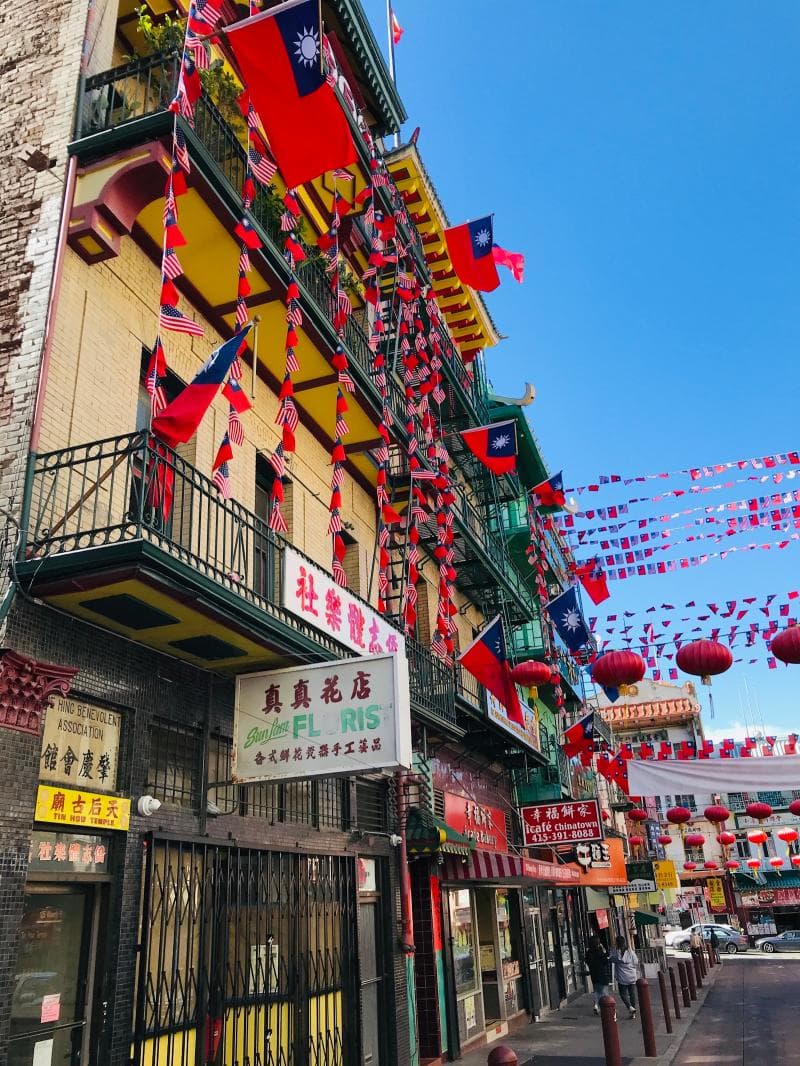
Explore San Francisco's historic Chinatown Alleys, including Waverly Place and Ross Alley, for a deep dive into Chinese American culture and history.
Overview
Stepping into the Chinatown Alleys of San Francisco is like uncovering a hidden world within North America's oldest and largest Chinatown outside of Asia. These narrow, winding passages offer a distinct contrast to the bustling main thoroughfares like Grant Avenue, inviting curious travelers to explore the authentic heart of this vibrant community. Far more than mere shortcuts, these alleys—such as the famous Waverly Place and Ross Alley—are steeped in history, culture, and untold stories, providing a profound glimpse into the lives of generations of Chinese immigrants.
Originally developed out of necessity in the densely populated district, the alleys today serve as lively pedestrian walkways, residential arteries, and cultural showcases. They are a testament to the ingenuity and resilience of a community that has retained its unique customs, languages, and identity for over 170 years. Exploring them reveals a different, 'old-world' perspective, away from the typical tourist routes, where every corner holds a piece of San Francisco's rich Chinese heritage.
History & Cultural Background
San Francisco's Chinatown began its story in the mid-1840s when Chinese immigrants, many from the Pearl River Delta in Guangdong, arrived, initially drawn by the California Gold Rush. Faced with anti-Chinese sentiment and restrictions on where they could live, the community concentrated within a six-block area.
To maximize space within these confines, residents ingeniously created a maze of secondary streets and pedestrian alleyways. These passages became vital arteries, providing access to homes, businesses, and essential services, fostering a tight-knit community.
The 1906 earthquake and subsequent fire devastated much of Chinatown, but the community's spirit remained unbroken. Many of the original alleys, each with its own Cantonese name reflecting its character, were rebuilt or preserved. Today, 41 of the original 54 pre-1906 earthquake alleys still exist, standing as enduring symbols of cultural strength and community spirit.
These alleys provided not just physical pathways but also a sense of security and belonging during challenging times. They were places where customs were maintained, languages spoken, and social clubs thrived, deeply influencing the history and culture of ethnic Chinese immigrants in North America.
What Makes It Special
What truly makes the Chinatown Alleys special is their vibrant tapestry of everyday life interwoven with significant historical and cultural landmarks. Waverly Place, often dubbed 'The Street of Painted Balconies' or 'Tin How Temple Street', is famed for its colorful, flag-adorned balconies and the presence of several important temples.
Here stands the Tin How Temple at 125 Waverly Place, the oldest Chinese temple in the United States. Dedicated to Mazu, the Divine Protector of seafarers, it holds profound significance for immigrants who arrived by sea, and its current structure was rebuilt after the 1906 earthquake.
Ross Alley, another prominent thoroughfare, has transformed into a dynamic canvas for art and community engagement. It is home to 41 Ross, a unique collaboration between local community development and cultural centers. This space functions as an art gallery, an interactive creative studio, and a community resource, fostering dialogue and appreciation for local culture through various programs and exhibitions.
Beyond specific landmarks, the very atmosphere of these alleys is special. They offer a tangible connection to the past, with ornate details, traditional businesses, and a sense of enduring heritage that makes them distinct from the more commercial main streets.
Stories, Fun Facts & Local Details
The alleys of Chinatown are alive with stories and intriguing details. Waverly Place, for instance, was once known as Pike Street and also as 'Ho Bu'un Guy', or 'Fifteen Cent Street', a nod to the barber shops that offered tonsorial services for that price. This historic alley also had a darker past, occasionally serving as the backdrop for gang conflicts.
It holds literary fame as well, resonating with descriptions in Amy Tan's celebrated novel, 'The Joy Luck Club', vividly portraying the deep community spirit and intergenerational connections within Chinatown.
Ross Alley, once notoriously associated with gambling and prostitution, was known in Cantonese as 'Gau Leuie Sung Hong', meaning 'Old Spanish Alley', due to its patrons. Today, Ross Alley is a hub for contemporary art, featuring public installations and murals that celebrate Chinatown's rich heritage and the immigrant experience.
Another famous local detail is the Golden Gate Fortune Cookie Factory, tucked away in an alley, where visitors can see the iconic cookies being made. The sheer number of these passages, 41 still remaining, each with its own character and hidden gems, contributes to the emotional richness and exploratory appeal of Chinatown.
Visitor Perspective
For visitors, exploring the Chinatown Alleys is an immersive journey that offers a profound understanding of San Francisco's Chinese culture. Walking through these intimate passages, you'll encounter a world away from the city's usual hustle. The vibrant colors of Waverly Place's balconies, the scent of incense emanating from ancient temples, and the quiet sounds of daily life create an unforgettable sensory experience.
These alleys provide a unique opportunity to witness community life firsthand—from the small businesses that line their paths to the quiet traditions maintained within their walls. Look for hidden shrines, intricate architectural details, and the ongoing artistic expressions in places like Ross Alley.
The best way to experience the alleys is on foot, allowing for serendipitous discoveries and moments of quiet contemplation. You might hear the clicking of mahjong tiles or stumble upon a local eatery. While generally safe, the alleys retain an authentic, lived-in feel. Engaging with these spaces offers not just sightseeing but a deep dive into the historical resilience and enduring spirit of San Francisco's Chinatown.
Coordinates: -122.40722222222, 37.794722222222
View on Google Maps💬 How Travelers Describe This Place
Based on community votes
Unique
948Interesting
913Must See
595Photogenic
337Beautiful
196
Traveler Stories
Discover memorable experiences shared by travelers who have visited this place.
No traveler stories yet.
Be the first traveler to share what made this place memorable.

Tour
By
Spot
Discover amazing places around the world. Your journey starts here.
Explore
© 2026 TourBySpot. All rights reserved.