Brera District
Milan, Italy
Explore Brera District in Milan, Italy: an artistic hub with cobbled streets, historic art galleries, botanical gardens, and bohemian charm.
Overview
Tucked away in the heart of Milan, Italy, the Brera District offers a captivating blend of art, history, and bohemian charm. Often referred to as the 'artists' quarter' or 'Milan's Montmartre', Brera distinguishes itself with its picturesque cobbled streets, elegant architecture, and a palpable creative energy. It is a neighborhood where culture thrives, inviting curious travelers to wander its alleys, discover hidden courtyards, and immerse themselves in its unique atmosphere. Brera is a central, walkable area, providing a distinct Milanese experience away from the city's more frenetic pace.
History & Cultural Background
The name 'Brera' originates from the Medieval Italian 'braida' or 'brera', derived from Old Lombardic 'brayda', meaning a cleared land expanse, often one naturally lacking trees. Around 900 AD, this area was strategically kept clear outside Milan's city walls for military reasons.
The district's cultural prominence truly began in 1776 when Empress Maria Theresa of Austria founded the Brera Academy of Fine Arts. This institution was established within the Palazzo Brera, a grand building originally constructed around 1615 as a Jesuit college. In typical Enlightenment fashion, the Palazzo became a hub for diverse knowledge, also housing institutions such as the Brera Art Gallery (Pinacoteca), a botanical garden, an astronomical observatory, and the Braidense National Library.
This concentration of artistic and scientific institutions fostered Brera's reputation as a vibrant artistic neighborhood, drawing painters, students, and intellectuals. In the 20th century, particularly from the 1950s onwards, Brera further evolved, becoming a significant laboratory for art and design, solidifying its role as a premier creative hub in Milan, famously highlighted during the annual Milan Design Week.
What Makes It Special
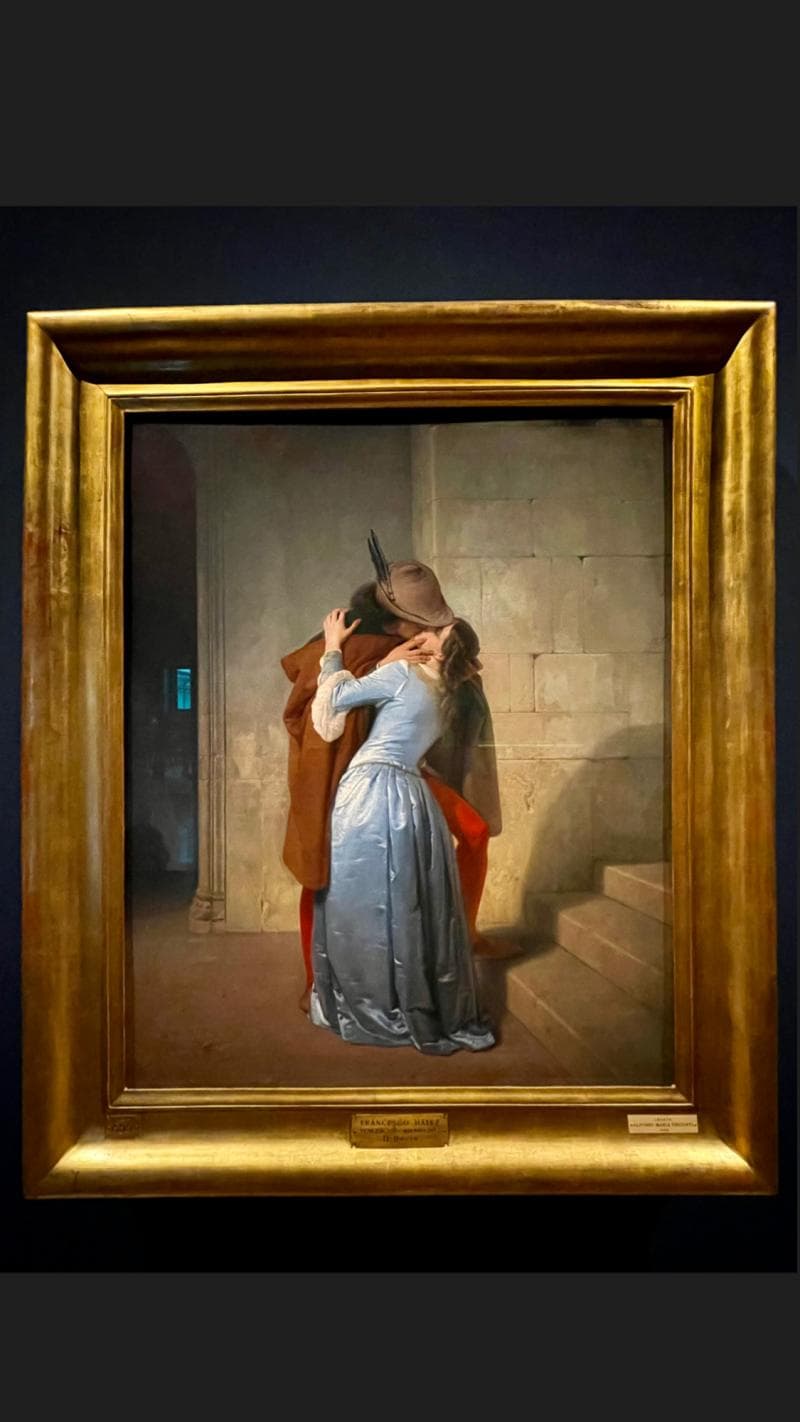
What truly sets Brera apart is the remarkable density of its cultural offerings, primarily centered within the historic Palazzo Brera. The Pinacoteca di Brera, Milan's main public art gallery, houses an internationally renowned collection of Italian paintings dating from the 13th to the 20th century. Its masterpieces include works by Raphael, Caravaggio, Mantegna, and Piero della Francesca, many of which were amassed during the Napoleonic era following the confiscation of religious art.
Adjacent to the Pinacoteca is the Accademia di Belle Arti di Brera, a prestigious state-run academy that continues to nurture artistic talent, reinforcing the district's creative spirit. Within the same complex, the Orto Botanico di Brera offers a serene escape—a historical botanical garden established in 1774, providing a tranquil green oasis amidst the urban bustle. Visitors can also find the Braidense National Library and an Astronomical Observatory, making the Palazzo a true cultural microcosm.
Beyond its institutions, Brera's charm lies in its everyday ambiance. The narrow, winding streets are lined with independent boutiques, artisan workshops, antique shops, and inviting cafes and restaurants. This creates a distinctive blend of tradition and contemporary style, appealing to those seeking unique finds and authentic experiences.
Stories, Fun Facts & Local Details
One of the most striking features of Palazzo Brera's courtyard is the monumental bronze statue of Napoleon I as Mars the Peacemaker, sculpted by Antonio Canova. This impressive work serves as a symbolic centerpiece for the district's Napoleonic-era art acquisitions.
Brera's artistic legacy is so profound that it earned the affectionate moniker of the 'Milanese Montmartre', echoing the famous artistic district in Paris. While the traditional bohemian artist scene has evolved due to changing urban dynamics, the district maintains a vibrant creative community, attracting both established designers and emerging talents.
A popular local highlight is the monthly antique market, held every third Sunday (except August) along Via Brera and Via Fiori Chiari. Here, visitors can browse stalls filled with vintage jewelry, glassware, prints, and unique curios, offering a tangible connection to the district's past and its enduring appreciation for craftsmanship.
Evenings in Brera come alive with the Milanese tradition of aperitivo, where bars on streets like Via Madonnina spill out onto the pavement, creating a lively, social atmosphere that locals and visitors alike enjoy.
Visitor Perspective
For the curious traveler, Brera offers an easily navigable and rewarding experience. Its compact size and pedestrian-friendly cobbled streets make it perfect for exploring on foot. Whether you are an art enthusiast keen to delve into masterworks, a shopper looking for unique artisan products, or simply someone who enjoys soaking in an authentic and picturesque urban atmosphere, Brera delivers.
The district provides a welcome contrast to Milan's grander, bustling areas like the Duomo or the high-fashion Quadrilatero. It feels like a neighborhood where life unfolds at a slightly gentler pace, inviting lingering over coffee or an evening meal. Visiting in the morning allows for cultural exploration of the museums and gardens, while evenings are ideal for experiencing the vibrant aperitivo culture and dining in one of its many charming eateries.
Coordinates: 9.18774, 45.47152
View on Google Maps💬 How Travelers Describe This Place
Based on community votes
Must See
670Photogenic
620Unique
594Beautiful
166Interesting
83
Traveler Stories
Discover memorable experiences shared by travelers who have visited this place.
No traveler stories yet.
Be the first traveler to share what made this place memorable.
Things to see at Brera District


Tour
By
Spot
Discover amazing places around the world. Your journey starts here.
Explore
© 2026 TourBySpot. All rights reserved.