Brera streets
Milan, Italy
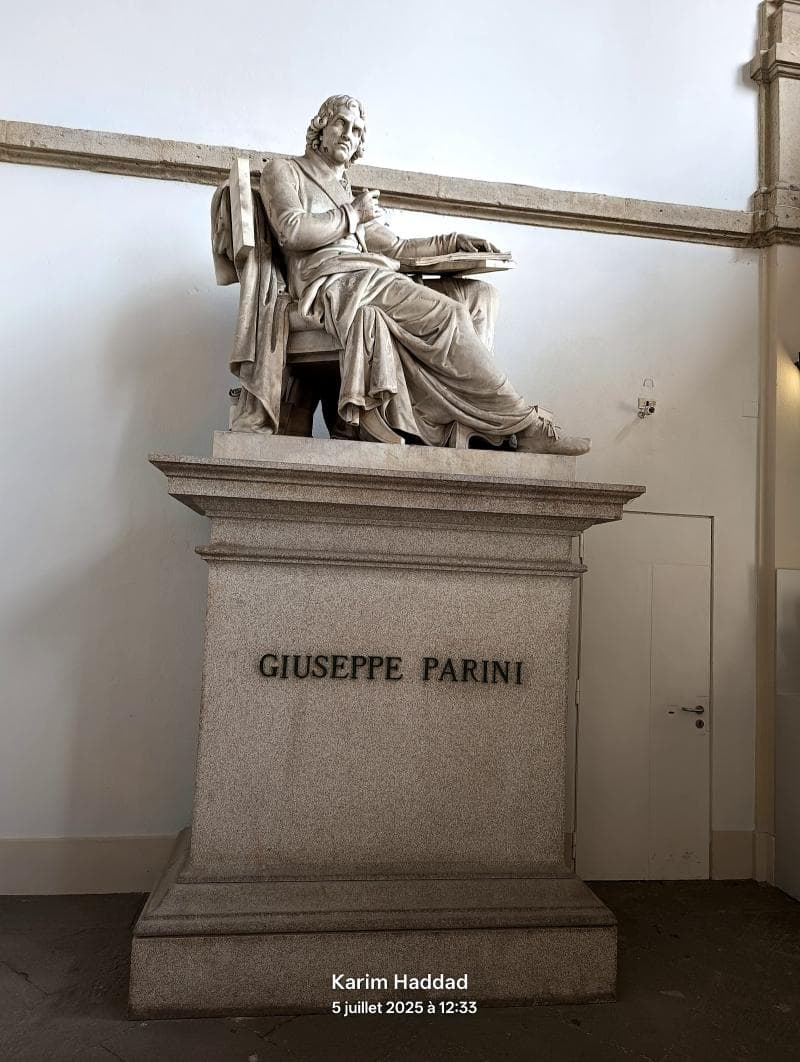
Explore the enchanting Brera streets in Milan, Italy, a historic artists' quarter renowned for its art galleries, charming boutiques, and bohemian atmosphere.
Overview
Nestled in the heart of Milan, Italy, the Brera streets form the vibrant core of the Brera District, an enchanting neighborhood often dubbed the 'artists' quarter'. This bohemian enclave, with its picturesque cobblestone streets and intimate atmosphere, offers a delightful contrast to Milan's bustling central avenues. It is a place where art, history, and modern life intertwine, drawing visitors who seek a deeper cultural experience beyond the city's more commercial facades. From its renowned art institutions to its charming boutiques and cafes, Brera provides a captivating blend of heritage and contemporary flair that invites exploration.
The district is easily walkable, making it ideal for leisurely strolls where you can discover hidden courtyards, artisanal shops, and small design showrooms. Brera's compact layout ensures that its many attractions are within easy reach, creating a continuous rhythm of cultural discovery.
History & Cultural Background
The name 'Brera' originates from the Old Lombardic word 'brayda', meaning an 'expanse of cleared land', reflecting its historical status as an uncultivated area just outside Milan's Roman walls during the Middle Ages.
Brera's transformation into a cultural hub began significantly in the 18th century. The monumental Palazzo Brera, a former Jesuit college, became home to the Brera Academy of Fine Arts and the Pinacoteca di Brera. The Pinacoteca, founded in 1809, was initially conceived by Napoleon Bonaparte to house prominent artworks from territories conquered by the French, amassing a significant collection of Italian Renaissance art, including works by Raphael, Caravaggio, and Mantegna.
Throughout the 19th and 20th centuries, Brera continued to attract artists, intellectuals, and bohemians, solidifying its reputation as Milan's artistic heart. This legacy lives on today through the numerous contemporary galleries and studios that pepper its streets.
What Makes It Special
What truly sets Brera's streets apart is their unique 'boho-chic' ambiance and their dense concentration of cultural institutions. Unlike other parts of Milan, Brera maintains a distinctly 'old Milan' atmosphere with its narrow, cobbled pathways, yet it seamlessly integrates modern elegance.
At the heart of the district lies the Palazzo Brera, a singular complex housing the Pinacoteca di Brera, the Brera Academy of Fine Arts, the Braidense National Library, and the Brera Astronomical Observatory, along with a serene Botanical Garden. This concentration of educational and artistic institutions contributes immensely to the area's intellectual and creative energy.
Beyond its major landmarks, the charm of Brera resides in its independent boutiques, artisanal workshops, antique dealers, and small design showrooms. These establishments offer a refuge from mainstream luxury brands, providing unique shopping experiences and opportunities to discover one-of-a-kind items.
Stories, Fun Facts & Local Details
One fascinating detail is Napoleon's significant role in shaping the Brera district. He not only played a key part in the development of the Pinacoteca but also has a colossal marble statue of himself, by Antonio Canova, proudly standing in the palazzo's central courtyard.
The Brera streets are also famous for their vibrant nightlife, with many bars and restaurants offering a quintessential Milanese aperitivo experience. Places like N'Ombra de Vin, a former 16th-century refectory, boast impressive wine collections and offer a blend of history and contemporary enjoyment. The historic Jamaica bar is another legendary spot where artists and intellectuals once gathered.
For those visiting on the third Sunday of the month, Brera hosts an open-air antiques market, filling its streets with stalls selling vintage jewelry, bric-a-brac, books, and clothing. This market offers a glimpse into the district's enduring artistic and bohemian spirit.
Visitor Perspective
Walking through Brera's streets is an experience best savored slowly. It's a place to 'get lost' purposefully, allowing the winding alleys and picturesque views to guide you. The district's accessibility, being just a short walk from major landmarks like the Duomo and La Scala Opera House, makes it an ideal complement to any Milan itinerary.
Visitors can spend a half-day exploring the Pinacoteca di Brera, followed by a leisurely afternoon of shopping and coffee, or a pre-dinner stroll leading to an evening aperitivo. The district's unique rhythm caters to various interests, from art enthusiasts and history buffs to those simply looking to soak in a lively, elegant, and quirky atmosphere.
Whether admiring masterpieces, discovering unique artisan creations, or simply enjoying a coffee at a street-side cafe, the Brera streets offer a charming and enriching glimpse into Milan's artistic soul.
Coordinates: 9.1877, 45.47199
View on Google Maps💬 How Travelers Describe This Place
Based on community votes
Unique
836Photogenic
795Beautiful
620Interesting
522Must See
83
Traveler Stories
Discover memorable experiences shared by travelers who have visited this place.
No traveler stories yet.
Be the first traveler to share what made this place memorable.

Tour
By
Spot
Discover amazing places around the world. Your journey starts here.
Explore
© 2026 TourBySpot. All rights reserved.