Alexander Nevsky Cathedral
Sofia, Bulgaria
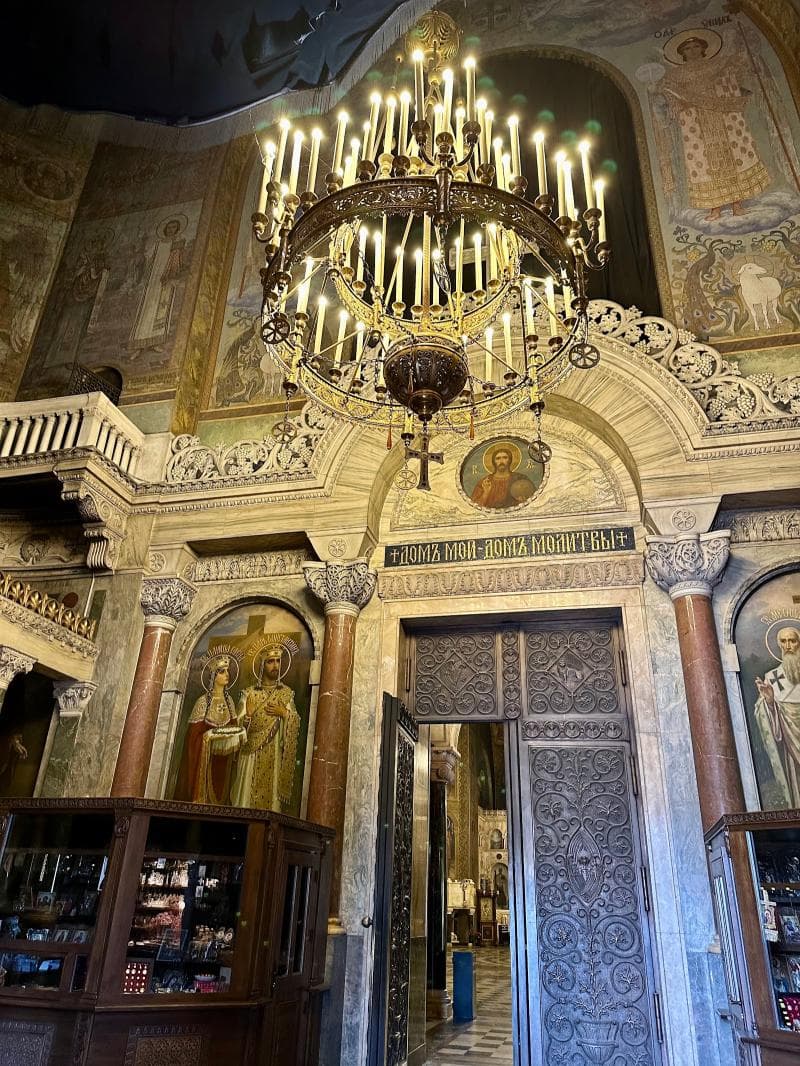
Explore the majestic Alexander Nevsky Cathedral in Sofia, Bulgaria – a stunning Neo-Byzantine masterpiece and a key symbol of Bulgarian history.
Overview
The Alexander Nevsky Cathedral stands as a monumental and iconic symbol in the heart of Sofia, Bulgaria. This magnificent Neo-Byzantine edifice is not only one of the largest Eastern Orthodox cathedrals in the world but also a primary tourist attraction and the cathedral church of the Patriarch of Bulgaria. Its golden domes shimmer, visible from afar, drawing visitors to its grand presence in the city's central square. Occupying an area of approximately 3,170 square meters, the cathedral is designed to accommodate up to 5,000 worshipers, though some sources suggest it can hold up to 10,000. It represents a profound blend of spiritual significance and architectural splendor, making it a must-see for anyone exploring Bulgaria's capital.
History & Cultural Background
The construction of the St. Alexander Nevsky Cathedral was conceived as a profound tribute to the Russian soldiers who bravely sacrificed their lives during the Russo-Turkish War of 1877–1878. This pivotal conflict led to Bulgaria's liberation from nearly five centuries of Ottoman rule, and the cathedral stands as a lasting monument to this hard-won freedom. The foundation stone for the cathedral was laid in 1882, though the bulk of its construction took place between 1904 and 1912. The ambitious project was officially completed in 1912 and consecrated in 1924. Named after Saint Alexander Nevsky, a revered 13th-century Russian prince, military commander, and diplomat, the cathedral honors his legacy and symbolizes Russian military glory. The eminent Russian architect Alexander Pomerantsev was the principal designer, working with a team of Bulgarian, Russian, Austro-Hungarian, and other European artists and architects who contributed to its intricate construction and decoration.
What Makes It Special
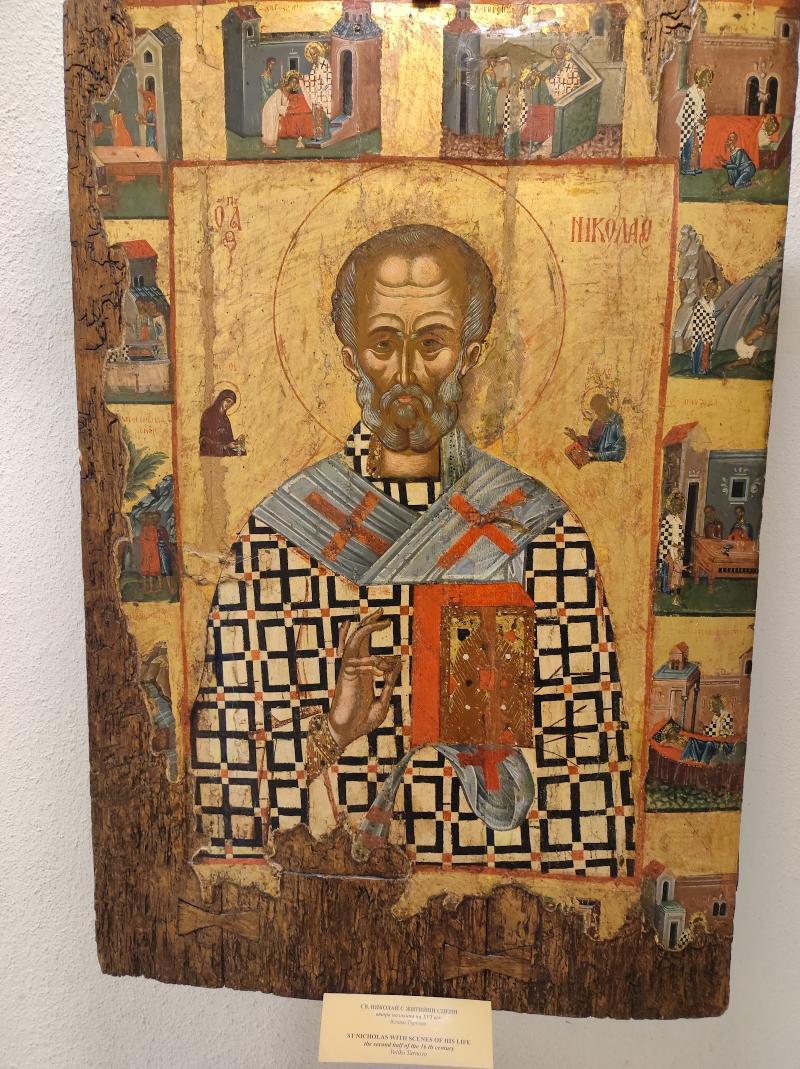
The Alexander Nevsky Cathedral is a breathtaking example of Neo-Byzantine architecture, characterized by its emphasized central dome and cross-domed basilica design. The cathedral's gold-plated central dome reaches a height of 45 meters, or 46.3 meters with the cross, while the bell tower impressively rises to 53 meters. Inside, the grandeur unfolds with opulent chandeliers, intricate floor patterns, and vast spaces. The interior is lavishly adorned with a variety of precious materials from across Europe: Italian marble, Brazilian onyx, and Venetian mosaics contribute to its rich aesthetic. The cathedral features three altars, five aisles, and numerous domes and cupolas, all contributing to its awe-inspiring scale. A significant part of its splendor is the elaborate iconostasis, carved from wood and adorned with countless icons. Below the main cathedral lies a crypt, which houses one of Europe's finest collections of medieval Orthodox icons, offering a deeper dive into Bulgarian sacred art.
Stories, Fun Facts & Local Details
During a complex period of history, the cathedral's name underwent a temporary change. Between 1916 and 1920, when Bulgaria and Russia found themselves on opposing sides during World War I, the cathedral was briefly renamed the Sts. Cyril and Methodius Cathedral. Its original name was thankfully reinstated in 1920. The cathedral's bell tower holds 12 bells, collectively weighing 23 tons, with the heaviest bell alone weighing 12 tons. The powerful resonating chords of these bells can make the very structure vibrate on major feast days. A fascinating detail within the cathedral is a display case to the left of the main altar, containing relics of Saint Alexander Nevsky, specifically a piece of his rib. Outside the cathedral, in the surrounding square, visitors can often find a small flea market where local vendors sell handmade textiles, icons, and antiques, adding a vibrant cultural layer to the visit.
Visitor Perspective
Visiting the Alexander Nevsky Cathedral offers a profound experience. Entry to the main nave of the cathedral is free of charge, allowing everyone to admire its magnificent interior. However, there is a small admission fee to access the crypt museum below, which is highly recommended for its exceptional collection of medieval Orthodox icons. The cathedral is generally open daily, with hours often extending from early morning to late afternoon. To ensure a respectful visit, it is advisable to dress modestly, with shoulders and knees covered, as it remains an active place of worship. For a quieter experience and to avoid large crowds, weekday mornings, particularly before 10:00, are often the best time to visit. While photography is generally restricted inside the main nave, it is often permitted within the crypt.
Coordinates: 23.332956, 42.695833
View on Google Maps💬 How Travelers Describe This Place
Based on community votes
Beautiful
934Must See
741Unique
276Interesting
30Photogenic
16
Traveler Stories
Discover memorable experiences shared by travelers who have visited this place.
No traveler stories yet.
Be the first traveler to share what made this place memorable.
Things to see at Alexander Nevsky Cathedral




Tour
By
Spot
Discover amazing places around the world. Your journey starts here.
Explore
© 2026 TourBySpot. All rights reserved.