Side Chapels
Sofia, Bulgaria
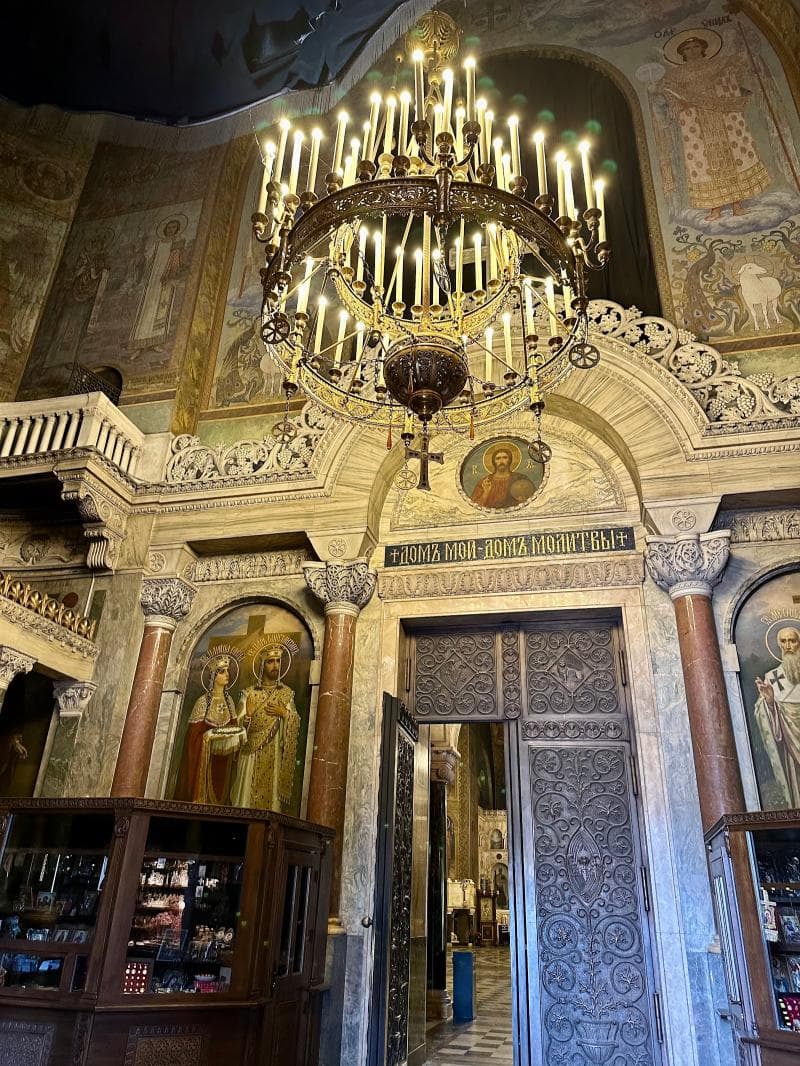
Discover the serene side chapels of Alexander Nevsky Cathedral in Sofia, Bulgaria, dedicated to key figures of Bulgarian history and faith.
Overview
Nestled within the monumental Alexander Nevsky Cathedral in Sofia, Bulgaria, the side chapels offer an intimate glimpse into the rich spiritual and cultural heritage of the nation. While the cathedral's grand scale often captivates visitors, these smaller, sacred spaces provide a profound sense of history and devotion. Each chapel is dedicated to different saints, transforming them into quiet havens for contemplation and prayer, distinct from the central nave's vast expanse. They are integral to understanding the full spiritual tapestry of this iconic Bulgarian landmark.
History & Cultural Background
The Alexander Nevsky Cathedral itself stands as a majestic memorial, built to honor the Russian soldiers who perished during the Russo-Turkish War of 1877-1878, a conflict that ultimately liberated Bulgaria from nearly five centuries of Ottoman rule. Completed in 1912 and consecrated in 1924, its Neo-Byzantine architecture reflects a deep historical connection between Bulgaria and Russia. Within this grand structure, the side chapels extend this narrative, intertwining it with Bulgaria's own foundational religious and cultural identity.
Specifically, the cathedral's three apses, functioning as distinct worship areas, include a central apse dedicated to St. Alexander Nevsky, and two side apses dedicated to figures of immense Bulgarian significance: Saints Cyril and Methodius, and King Boris I (also known as Boris-Mihail). Saints Cyril and Methodius, brothers from the 9th century, are revered for creating the Cyrillic alphabet, a pivotal development that shaped Slavic literacy and culture, solidifying their place in Bulgarian consciousness. King Boris I was the Bulgarian ruler responsible for the Christianization of Bulgaria in the 9th century, a monumental event that steered the nation toward Eastern Orthodoxy and had lasting geopolitical and cultural impacts.
What Makes It Special
The side chapels of the Alexander Nevsky Cathedral are particularly special for their ability to transport visitors into a more focused spiritual realm. While the main nave impresses with its sheer size and opulent central dome reaching 45 meters high, the chapels offer a more concentrated experience of sacred art and devotion. The interior decoration throughout the cathedral, and by extension its chapels, features luxurious materials such as Italian marble, Brazilian onyx, and alabaster. These spaces are adorned with intricate frescoes and mosaics, depicting biblical scenes and the lives of saints, created by a collaboration of talented Bulgarian and Russian artists.
The craftsmanship extends to the iconostases in these side chapels, which were specifically worked on by notable Bulgarian artists such as Ivan Markvichka and Anton Mitov. The detailed artistry, vibrant colors, and solemn atmosphere make these chapels feel like precious jewels within the cathedral's expansive shell. They offer a moment of quiet reflection, allowing visitors to connect with the spiritual narrative of each dedicated saint in a more personal and intimate setting than the bustling main areas.
Stories, Fun Facts & Local Details
One of the most compelling aspects of the side chapels is their direct link to the story of Bulgarian literacy and faith. The chapel dedicated to Saints Cyril and Methodius highlights their enduring legacy as the creators of the Cyrillic alphabet, a script that is not only fundamental to Bulgarian language but is also used by millions across Eastern Europe and Central Asia. Their work laid the foundation for a distinct Slavic Orthodox culture. For Bulgarians, this chapel serves as a powerful reminder of their intellectual and spiritual independence.
The presence of a chapel for King Boris I underscores the profound impact of Bulgaria's Christianization. His decision to adopt Orthodox Christianity cemented Bulgaria's place within the Byzantine cultural sphere and shaped its historical trajectory. Visiting these chapels provides not just historical facts but also a sense of the deep reverence Bulgarians hold for these figures who guided their nation's spiritual and cultural development. These quieter spaces offer a stark contrast to the grandeur of the main nave, creating a unique opportunity for introspection away from the larger crowds.
Visitor Perspective
For the curious traveler, exploring the side chapels within the Alexander Nevsky Cathedral is an enriching experience that goes beyond mere sightseeing. After marveling at the cathedral's impressive exterior and the vastness of its central hall, stepping into one of these chapels feels like discovering a hidden treasure. They provide a sense of calm and intimacy, inviting you to slow down and absorb the intricate details of the iconography and the peaceful ambiance.
These spaces encourage a deeper understanding of the cathedral's purpose: not just as an architectural marvel or a monument, but as a living spiritual center profoundly connected to Bulgarian identity and history. Taking a moment in the chapels dedicated to Saints Cyril and Methodius or King Boris I offers a moment to reflect on their monumental contributions to the nation. It's a chance to feel the reverence and history that permeate these sacred corners, offering a quieter, more personal connection to Sofia's spiritual heart.
Coordinates: 23.332956, 42.695833
View on Google Maps💬 How Travelers Describe This Place
Based on community votes
Unique
934Beautiful
449Interesting
279Photogenic
276Must See
256
Traveler Stories
Discover memorable experiences shared by travelers who have visited this place.
No traveler stories yet.
Be the first traveler to share what made this place memorable.

Tour
By
Spot
Discover amazing places around the world. Your journey starts here.
Explore
© 2026 TourBySpot. All rights reserved.