Frescoes
Sofia, Bulgaria
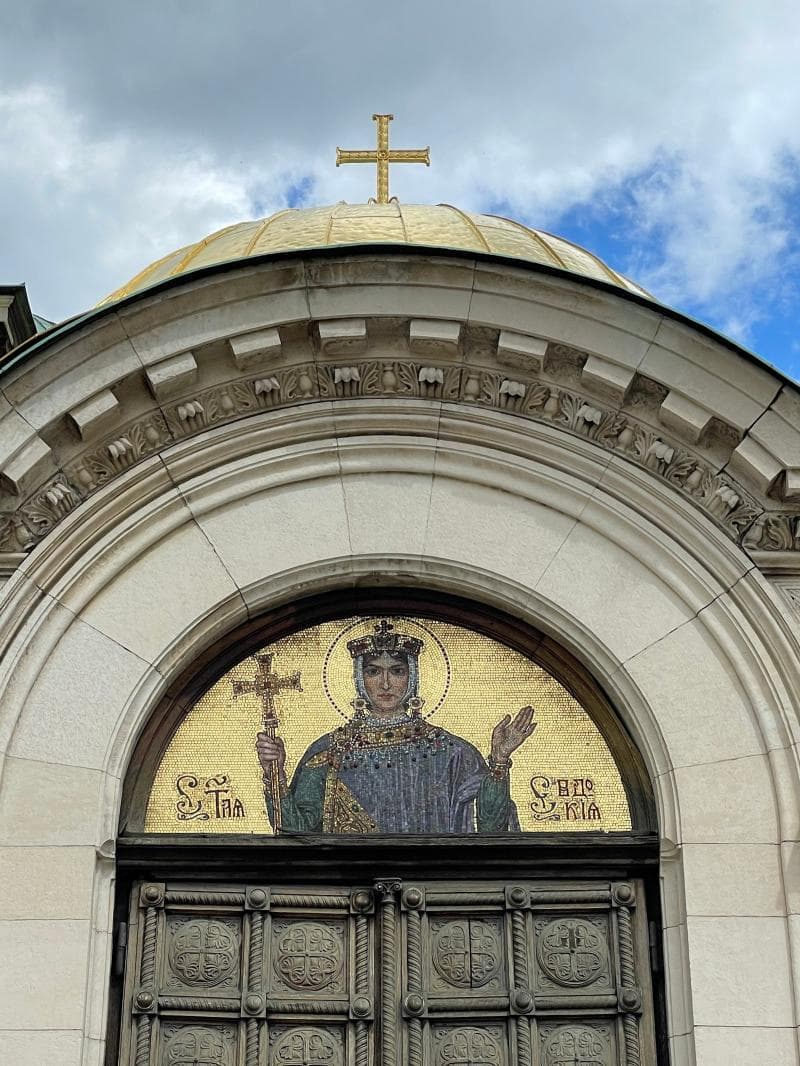
Discover the awe-inspiring frescoes inside Alexander Nevsky Cathedral in Sofia, Bulgaria. Explore their rich history, cultural significance, and artistic details.
Overview
Stepping into the Alexander Nevsky Cathedral in Sofia, Bulgaria, one is immediately enveloped by an atmosphere of profound artistic and spiritual grandeur. While the cathedral itself is an architectural marvel in the Neo-Byzantine style, its interior is most strikingly defined by its exquisite frescoes. These vibrant, narrative paintings adorn the walls and ceilings, transforming the sacred space into a visual tapestry of Orthodox Christian theology and history. The frescoes are not merely decorative elements but serve as silent storytellers, guiding visitors through biblical scenes and the lives of saints, offering a deeply immersive cultural experience within one of Sofia's most iconic landmarks.
History & Cultural Background
The Alexander Nevsky Cathedral stands as a magnificent memorial, conceived in gratitude for Bulgaria's liberation from Ottoman rule during the Russo-Turkish War of 1877-1878. The foundation stone was laid in 1882, but the bulk of its construction and meticulous decoration took place between 1904 and 1912, with the cathedral finally consecrated in 1924. It was named after Saint Alexander Nevsky, a 13th-century Russian prince and a patron saint of Emperor Alexander II, who played a pivotal role in supporting Bulgaria's independence. This dedication underscores the deep historical and cultural ties between Bulgaria and Russia. During World War I, reflecting the shifting geopolitical landscape, the cathedral's name was briefly changed to Sts. Cyril and Methodius Cathedral between 1916 and 1920, only to be restored to its original designation thereafter. This brief alteration highlights the cathedral's enduring significance as a national symbol amidst historical turbulences.
What Makes It Special
What truly sets the frescoes of the Alexander Nevsky Cathedral apart is the extraordinary collaboration of artistic talent that brought them to life. A team of approximately 20 Russian and 30 Bulgarian artists, considered some of the finest painters of their time, meticulously decorated the interior. This fusion of artistic traditions contributed to the unique style and depth visible in the murals. Notable Russian artists like Viktor Vasnetsov, Vasily Savinsky, Nikolai Bruni, and Grigoriy Myasoyedov worked alongside celebrated Bulgarian masters such as Anton Mitov, Ivan Mrkvička, Stefan Ivanov, and August Rosenthal. These artists utilized luxurious and imported materials; the interior boasts Italian marble in various colors, Brazilian onyx, and Indian alabaster, creating a lavish backdrop for the painted narratives. One particularly striking detail is the inscription of the Lord's Prayer in thin gold letters around the central dome, drawing the eye upwards to the heavens.
Stories, Fun Facts & Local Details
The frescoes are more than just images; they are visual sermons, depicting a rich array of Christian narratives, from biblical events to the lives of Orthodox saints. This extensive iconographic program ensures that every glance reveals a new detail or a deeper spiritual meaning. The sheer scale of the interior, with its gold-plated dome reaching 45 meters, provides an immense canvas for these artworks, making them truly breathtaking. The international sourcing of materials further adds to the cathedral's story: while the gates were manufactured in Vienna, their metal elements came from Berlin, and the impressive mosaics were shipped from Venice. This blend of local and international craftsmanship reflects the ambitious vision behind the cathedral's creation. The cathedral stands as a continuous testament to Bulgarian national pride and the enduring spirit of Orthodox Christianity.
Visitor Perspective
For any traveler, experiencing the frescoes of the Alexander Nevsky Cathedral is an unforgettable journey. As you walk through the vast nave, the frescoes seem to come alive under the ambient light, creating a sense of wonder and reverence. While photography is generally restricted inside the main cathedral, encouraging visitors to immerse themselves fully in the present moment, the visual impact of the art remains etched in memory. The interplay of natural light filtering through the stained glass windows and the glow of the chandeliers illuminates different sections of the frescoes throughout the day, offering varied perspectives on the artistry. The main cathedral is free to enter, allowing everyone to witness this artistic and spiritual treasure. Beneath the main cathedral, the crypt houses the Museum of Christian Art, which presents an outstanding collection of medieval icons and some fresco fragments, offering another layer to the cathedral's rich artistic offerings.
Coordinates: 23.332956, 42.695833
View on Google Maps💬 How Travelers Describe This Place
Based on community votes
Photogenic
446Unique
152Interesting
33Must See
30Beautiful
16
Traveler Stories
Discover memorable experiences shared by travelers who have visited this place.
No traveler stories yet.
Be the first traveler to share what made this place memorable.

Tour
By
Spot
Discover amazing places around the world. Your journey starts here.
Explore
© 2026 TourBySpot. All rights reserved.