Crypt Museum
Sofia, Bulgaria
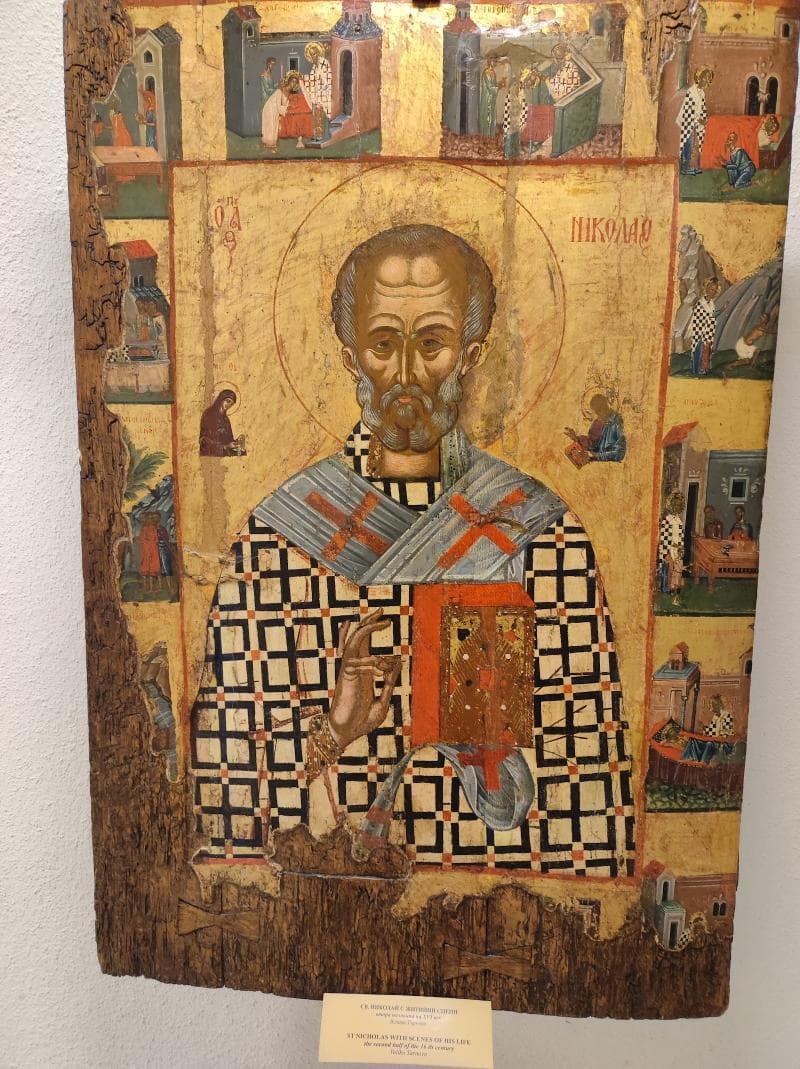
Explore the Crypt Museum, housing Europe's largest collection of Orthodox icons, beneath Alexander Nevsky Cathedral in Sofia, Bulgaria.
Overview
Deep beneath the majestic golden domes of the Alexander Nevsky Cathedral in Sofia, Bulgaria, lies a hidden treasure: the Crypt Museum. Officially known as the Museum of Christian Art, this subterranean exhibition space offers a profound journey into the heart of Bulgarian Orthodox art. It serves as a branch of the National Art Gallery and houses one of the most significant collections of Orthodox icons in Europe, meticulously gathered from various churches and monasteries across Bulgaria. Far from a gruesome crypt, this peaceful and solemn museum is a captivating display of spiritual artistry, showcasing Christian works that span centuries of history and devotion.
History & Cultural Background
The Alexander Nevsky Cathedral itself is a monumental symbol of Bulgarian liberation, constructed between 1904 and 1912 to honor the Russian soldiers who fell during the Russo-Turkish War of 1877-1878, which freed Bulgaria from nearly five centuries of Ottoman rule. The foundation stone for the cathedral was laid in 1882, a testament to the nation's gratitude. While the grand cathedral rose above, its crypt was initially conceived with a different, rather royal, purpose. It was designed to be a burial site for Bulgarian kings. However, history took a different turn, and no monarchs were ever interred there. Consequently, in 1965, this expansive underground space was thoughtfully repurposed, transforming into the vibrant Museum of Christian Art we know today.
What Makes It Special
What truly sets the Crypt Museum apart is its unparalleled collection. It proudly claims to hold the largest assembly of Orthodox icons in Europe, a rich tapestry of religious devotion and artistic expression. The museum's holdings cover an extensive period, tracing Christian art from the official Christianization of the Roman Empire in the 4th century all the way through to the Bulgarian National Revival in the 19th century. Visitors can admire not only exquisite icons but also fragments of frescoes, ancient manuscripts, and various pieces of church plate, all contributing to a comprehensive portrayal of Bulgarian Christian heritage. The artifacts originate from diverse regions of Bulgaria, including historical capital cities and significant monastic centers like Rila and Bachkovo Monasteries. Before its opening to the public, dedicated artists spent 30 years enriching the crypt, adorning it with around 300 frescoes and intricate decorative elements crafted from marble, onyx, alabaster, and gold, creating an atmosphere of profound reverence.
Stories, Fun Facts & Local Details
The Crypt Museum's journey from a planned royal mausoleum to a celebrated art institution is a fascinating local detail, highlighting the evolving cultural landscape of Sofia. The main cathedral, though dedicated to a Russian prince, Saint Alexander Nevsky, was briefly renamed during World War I to the Sts. Cyril and Methodius Cathedral due to Bulgaria and Russia being on opposing sides. Its original name was thankfully restored in 1920. While the main cathedral is a grand and active place of worship where photography might be restricted, the Crypt Museum offers a more intimate and often less crowded experience. Here, you are typically welcome to capture the beauty of the icons, allowing for a more personal engagement with the artworks. The icons themselves tell stories of faith, resilience, and artistic mastery, each stroke a silent prayer, each gilded surface reflecting centuries of tradition.
Visitor Perspective
For any curious traveler in Sofia, a visit to the Crypt Museum is an essential complement to exploring the magnificent Alexander Nevsky Cathedral. The entrance to the crypt is conveniently located downstairs, often to the left side of the cathedral's main entrance. Descending into the museum offers a serene escape from the bustling city above and the grandeur of the main cathedral. It's a chance to immerse yourself in a solemn, mystical atmosphere that allows for quiet contemplation of the ancient artistry. Many find this underground space to be a highlight, offering a deeper understanding of Bulgaria's rich religious and cultural heritage. The museum is generally open Tuesday through Sunday from 10:00 AM to 6:00 PM, typically closed on Mondays. As with most religious sites, visitors are encouraged to dress modestly, ensuring shoulders and knees are covered, to show respect for the sacred space.
Coordinates: 23.332956, 42.695833
View on Google Maps💬 How Travelers Describe This Place
Based on community votes
Beautiful
981Unique
617Interesting
357Photogenic
147Must See
28
Traveler Stories
Discover memorable experiences shared by travelers who have visited this place.
No traveler stories yet.
Be the first traveler to share what made this place memorable.

Tour
By
Spot
Discover amazing places around the world. Your journey starts here.
Explore
© 2026 TourBySpot. All rights reserved.