798 Art District
Beijing, China
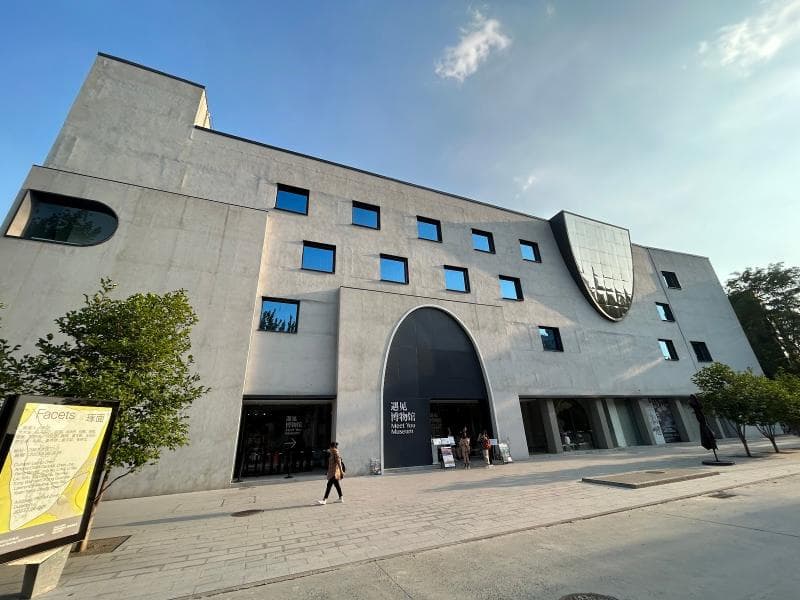
Explore Beijing's 798 Art District, a vibrant hub of contemporary art, galleries, and unique shops housed in Bauhaus-style factory buildings.
Overview
Nestled in Beijing's Chaoyang District, the 798 Art District, often simply called 798 or Dashanzi Art District, is a vibrant and expansive cultural hub that has captivated artists and travelers alike. What was once a complex of decommissioned military factories has blossomed into a sprawling maze of contemporary art galleries, studios, design firms, boutiques, and cafes. It offers a unique blend of industrial heritage and cutting-edge creativity, making it a must-visit destination for anyone interested in modern Chinese culture and art. The district is freely accessible, though individual galleries and exhibitions may charge an entrance fee.
History & Cultural Background
The fascinating story of the 798 Art District begins in the 1950s, when the area was established as a state-owned factory complex as part of a joint project between China and East Germany. This initiative was an extension of the 'Socialist Unification Plan' for military-industrial cooperation between the Soviet Union and the newly formed People's Republic of China. The Soviets subcontracted the design to East Germany, whose architects brought with them the functionalist Bauhaus-influenced design philosophy. This resulted in distinctive industrial buildings featuring large, light-filled spaces and iconic sawtooth roofs, designed to provide shadow-free natural light for precision electronics manufacturing. The complex was officially named Joint Factory 718, with Factory 798 being one of its units.
By the late 20th century, many of these factories became vacant as manufacturing moved on. Attracted by the spacious, well-lit workshops and relatively low rents, artists began to move into the area in the late 1990s and early 2000s, transforming these abandoned industrial structures into studios and exhibition spaces. This grassroots movement marked the artistic rebirth of the district. Initially, there were challenges, including threats of demolition by the government, but a strong community of artists and non-profit institutions advocated for its preservation. Eventually, the area's cultural and economic value was recognized, leading to its designation as a special art zone and a testament to adaptive reuse strategies in urban development.
What Makes It Special
What truly sets the 798 Art District apart is its captivating juxtaposition of industrial history and contemporary artistic expression. The Bauhaus-style architecture, with its distinctive sawtooth roofs, exposed brickwork, and grand, open interiors, provides a dramatic and atmospheric backdrop for the art it houses. This unique aesthetic has been seamlessly integrated with modern art, creating a dynamic fusion of old and new. The district is home to world-class institutions like the UCCA Center for Contemporary Art, which mounts major exhibitions of both Chinese and international artists. Beyond traditional galleries, visitors will discover a diverse range of artistic forms, from massive outdoor sculptures and vibrant street art and graffiti to multimedia installations and performance art. The district has evolved beyond just art spaces, now boasting a rich tapestry of design firms, fashionable boutiques, bookshops specializing in art and photography, and an array of trendy cafes and restaurants, creating a comprehensive cultural and lifestyle destination.
Stories, Fun Facts & Local Details
Amidst the galleries and cafes, the 798 Art District holds intriguing echoes of its past. One of the most striking details is the presence of old Maoist slogans still visible on the factory walls and ceiling arches, often deliberately preserved by artists. These faded revolutionary pronouncements now contribute a touch of 'ironic Mao kitsch' to the industrial chic aesthetic. The north-facing windows, originally engineered to provide optimal, shadow-free light for factory workers assembling delicate electronics, are now perfectly suited for artists' studios. The district was initially known as Dashanzi Art District, a name still used interchangeably with 798. What started as a modest collection of studios grew into a significant cultural landmark. By 2009, it had become one of Beijing's most visited destinations, after the Forbidden City and the Great Wall. The district also hosts the annual Beijing 798 Art Festival, attracting a global audience of artists and art enthusiasts. Many of the spaces within 798 are free to enter, though some major exhibitions may have a small admission charge.
Visitor Perspective
Exploring the 798 Art District is an immersive experience that encourages leisurely discovery. Given its expansive size, covering roughly 60 hectares, wearing comfortable shoes is highly recommended for navigating its numerous streets and alleyways. Most galleries typically operate from around 10:00 AM to 6:00 PM and are often closed on Mondays, so planning your visit accordingly is advisable. Visitors can easily spend anywhere from a few hours to a full day wandering through the district, popping into different galleries, browsing unique shops, and enjoying a relaxing coffee or meal at one of its many charming cafes. The regulated street traffic within the enclosed neighborhood enhances the walking experience, allowing visitors to appreciate the outdoor art, sculptures, and murals without the constant hustle of city vehicles. It offers a refreshing departure from Beijing's more traditional historical sites, providing a vivid window into modern China's vibrant cultural energy and creative spirit.
Coordinates: 116.48978, 39.98294
View on Google Maps💬 How Travelers Describe This Place
Based on community votes
Unique
953Must See
695Interesting
658Photogenic
69Beautiful
22
Traveler Stories
Discover memorable experiences shared by travelers who have visited this place.
No traveler stories yet.
Be the first traveler to share what made this place memorable.
Things to see at 798 Art District



Tour
By
Spot
Discover amazing places around the world. Your journey starts here.
Explore
© 2026 TourBySpot. All rights reserved.