798 Space
Beijing, China
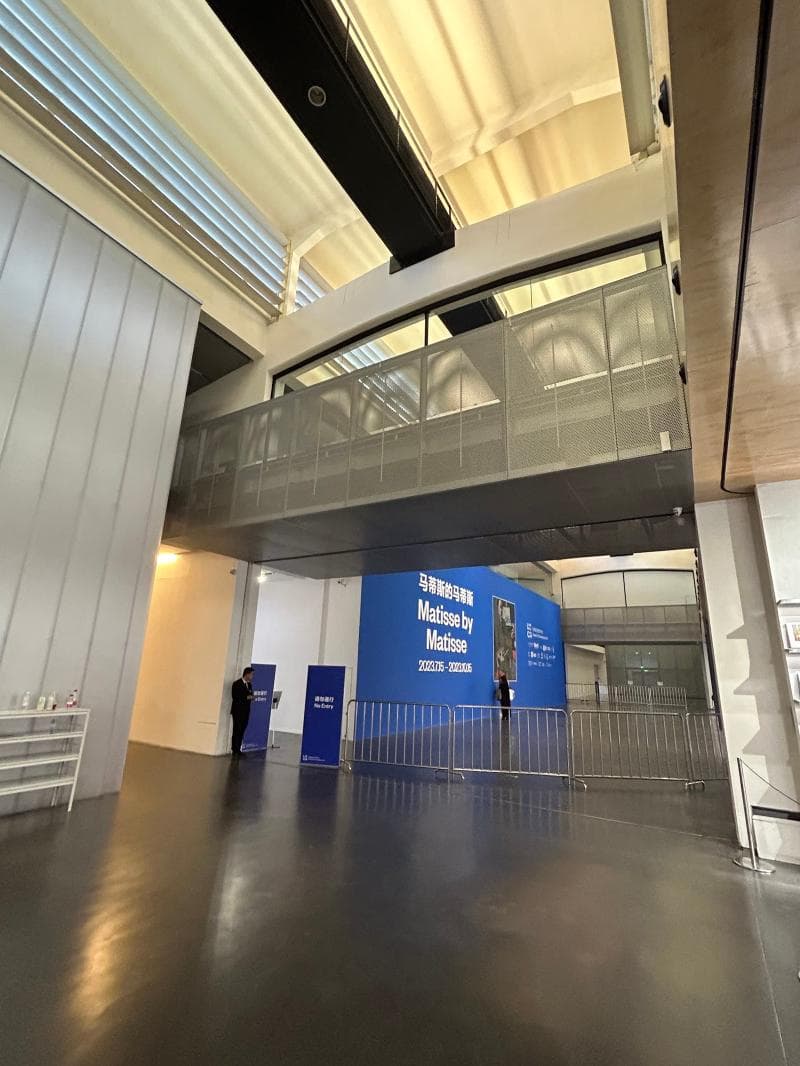
Explore 798 Space in Beijing's 798 Art District, a symbolic center for contemporary Chinese art, blending Bauhaus industrial heritage with modern creativity.
Overview
Deep within the vibrant 798 Art District in Beijing, China, lies a significant cultural landmark known simply as 798 Space. It's not merely another gallery, but rather the beating heart and symbolic center of this renowned artistic hub. This cavernous venue, with its distinctive industrial architecture, stands as a testament to the district's transformation from a military factory complex into a global stage for contemporary art. Stepping into 798 Space offers a unique opportunity to connect with Beijing's avant-garde art scene while simultaneously journeying back through its industrial past.
Originally a key component of the state-owned Factory 798, this expansive area was one of the first to be reimagined and repurposed for artistic endeavors. Its sheer size and the unique design elements have made it an ideal setting for large-scale exhibitions, cultural events, and art installations. Today, 798 Space continues to play a pivotal role, drawing both local art enthusiasts and international visitors eager to experience the fusion of history and modern creativity.
History & Cultural Background
The story of 798 Space is inextricably linked to the broader history of the 798 Art District. The entire complex originated in the 1950s as the '718 Joint Factory,' a result of a socialist unification plan between China and the Soviet Union, with significant design input from East German architects. These architects, influenced by the Bauhaus school of design, created industrial buildings characterized by their functionality, spacious interiors, and excellent natural light through large windows and iconic sawtooth roofs.
By the late 1990s and early 2000s, many of these factories had become decommissioned. Recognizing the potential of the vast, affordable spaces and unique architecture, artists and cultural organizations began to move in. In 2002, artists Huang Rui and Xu Yong established the 798 Space gallery, situated next to the Beijing Tokyo Art Projects (BTAP). This pivotal moment is often credited with kickstarting the district's popular infatuation and giving the area its now-famous name. Their inaugural exhibition, 'Beijing Afloat,' drew a massive crowd, signaling the birth of a new artistic era for Beijing.
What Makes It Special
What truly sets 798 Space apart is its embodiment of industrial heritage alongside cutting-edge contemporary art. It preserves much of its original factory character, acting almost like a living museum of China's mid-20th-century industrial development. Inside, visitors can still observe remnants of imported East German factory equipment, providing a tangible link to its past. The high arched ceilings, a signature feature of Bauhaus design, are not merely architectural elements but often serve as canvases themselves, still bearing bold red Maoist slogans from the Cultural Revolution. These slogans offer a stark and fascinating juxtaposition against the modern artworks displayed beneath them.
The sheer scale of 798 Space, with its impressive 1200-square-meter floor plan and multiple arched ceilings, makes it particularly suitable for showcasing large-scale installations and ambitious contemporary art projects that demand significant room. This blend of historical authenticity and artistic flexibility creates an atmosphere unlike any other, making it a powerful symbol of artistic freedom and cultural evolution within China.
Stories, Fun Facts & Local Details
One of the most compelling aspects of 798 Space is how it organically evolved into a cultural hotspot. The artists who first discovered these abandoned factories were seeking affordable, large studios, far removed from the city's commercial pressures. Their initial pioneering spirit transformed what was once a forgotten industrial zone into an internationally recognized art destination. The name '798' itself comes directly from the factory number, a simple digit that has now become synonymous with contemporary Chinese art globally.
A fun detail for curious travelers is to actively seek out the preserved Maoist slogans on the ceilings and walls. These powerful historical artifacts, often left untouched by the artists, serve as unexpected dialogues between China's communist past and its vibrant, modern artistic present. It's a reminder that art often thrives in unexpected places, repurposing history to create new narratives. The presence of these slogans in an art space speaks volumes about the layered history and cultural shifts Beijing has undergone. The district has become so popular that it's sometimes compared to New York's Soho, attracting millions of visitors annually.
Visitor Perspective
Visiting 798 Space within the 798 Art District is an immersive experience. While the district itself is free to enter, some individual galleries, including major exhibition spaces like 798 Space, may charge a nominal fee for specific exhibitions. Most galleries and shops in the district typically open around 10:00 AM and close by 6:00 PM, with some potentially closed on Mondays.
To truly appreciate 798 Space, take your time to absorb both the art on display and the building itself. Look up at the distinctive sawtooth roof and search for the historical graffiti. Engage with the scale of the space and how it complements the art it houses. The area can be easily accessed via public transport, with subway line 14 to Wangjing South Station or Gaojiayuan Station being convenient options, followed by a short walk or taxi ride. It's an essential stop for anyone interested in contemporary art, industrial history, or the dynamic cultural landscape of Beijing.
Coordinates: 116.48978, 39.98294
View on Google Maps💬 How Travelers Describe This Place
Based on community votes
Photogenic
836Must See
287Interesting
255Beautiful
231Unique
86
Traveler Stories
Discover memorable experiences shared by travelers who have visited this place.
No traveler stories yet.
Be the first traveler to share what made this place memorable.

Tour
By
Spot
Discover amazing places around the world. Your journey starts here.
Explore
© 2026 TourBySpot. All rights reserved.