Street Art Installations
Beijing, China
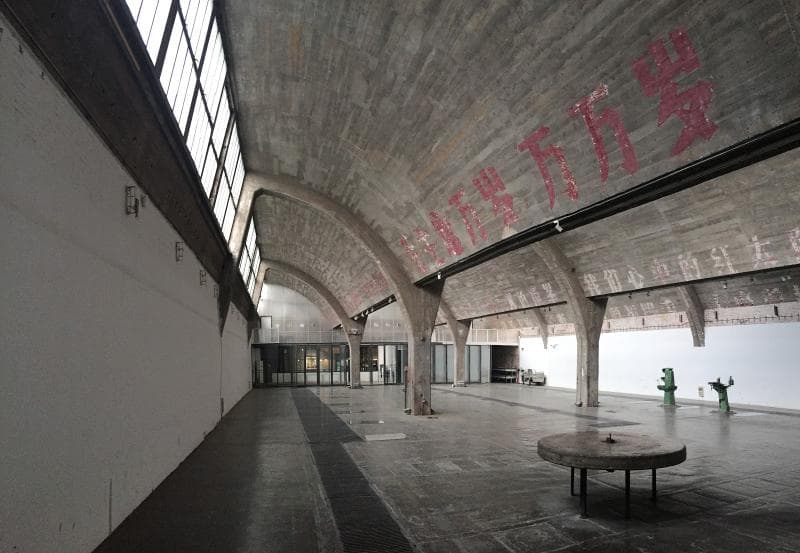
Explore vibrant Street Art Installations in Beijing's 798 Art District, China. Discover murals, graffiti, and sculptures within a historic factory complex.
Overview
Nestled within Beijing's vibrant 798 Art District, the Street Art Installations offer a captivating journey into the heart of contemporary Chinese creativity. This area, once a sprawling complex of decommissioned military factories, has transformed into a dynamic open-air gallery, where industrial architecture provides a striking backdrop for an ever-evolving collection of murals, graffiti, and large-scale sculptures. Visitors can wander through winding alleys and broad avenues, discovering unexpected bursts of color and thought-provoking art at every turn. It's a place where the past and present collide, inviting exploration and artistic reflection.
History & Cultural Background
The 798 Art District, also known as the Dashanzi Art District, has a fascinating history rooted in the mid-20th century. Originally, it was a state-owned factory complex, built in the 1950s as part of a joint industrial project between the People's Republic of China and East Germany. The architecture, characterized by its distinctive Bauhaus style with spacious, light-filled workshops and high vaulted ceilings, was initially designed for electronics production. By the late 1990s and early 2000s, as the factories began to shut down, artists, designers, and cultural organizations were drawn to the abandoned spaces by the cheap rent and the unique, gritty aesthetic of the industrial buildings. This influx of creative energy led to the area's gradual rebirth, evolving into a thriving artistic community. In 2006, 798 Art Zone officially received recognition as one of Beijing's cultural and creative zones, solidifying its place as a significant hub for contemporary art.
What Makes It Special
The Street Art Installations at 798 Art District are truly special due to their seamless integration with the historical industrial landscape. The juxtaposition of modern artistic expression against the raw, concrete walls and aged factory structures creates a powerful visual narrative. Unlike traditional museums, much of the street art is an accessible, dynamic, and public display, changing frequently with new pieces appearing and older ones evolving. This constant flux means that each visit offers a fresh perspective and new discoveries. The district features a diverse range of street art forms, from intricate graffiti and vibrant murals that adorn entire walls to playful statues and monumental sculptures that command attention in public spaces. It transforms the entire district into an immersive art experience, where every corner holds the potential for artistic surprise.
Stories, Fun Facts & Local Details
One of the most striking aspects of the 798 Art District's street art is the blend of its industrial past with contemporary statements. It's not uncommon to find old Maoist slogans still emblazoned on factory walls, now serving as a historical canvas for modern, often avant-garde, artistic interpretations. This creates a unique dialogue between China's socialist past and its rapidly evolving present. A notable installation that captured attention was 'Wolves Coming!' by artist Liu Ruowang, a monumental piece featuring 110 life-sized steel wolves, offering a stark commentary on humanity's impact on nature. The district has also become a significant social and cultural melting pot, attracting not just serious art enthusiasts but also a vibrant 'hipster' crowd. It's a place where art is not confined to galleries but spills onto the streets, inviting interaction and becoming a part of daily life, making it a favorite spot for photography and selfies.
Visitor Perspective
For visitors, exploring the Street Art Installations in 798 Art District is an adventure in discovery. The district encourages a leisurely pace, allowing travelers to wander freely through its wide streets, leafy squares, and narrow alleys, soaking in the creative atmosphere. Most outdoor installations and public spaces are free to access, making it an open and inviting experience for everyone. It's a highly photogenic area, with the unique art providing perfect backdrops for capturing memories. The blend of art with cafes, boutique shops, and cultural institutions means that a visit can easily fill an afternoon, or even a full day, offering a rich tapestry of experiences beyond just viewing art. It's a chance to witness Beijing's modern cultural pulse and gain a deeper understanding of China's contemporary art scene in a truly unconventional setting.
Coordinates: 116.49609, 39.984138
View on Google Maps💬 How Travelers Describe This Place
Based on community votes
Must See
950Beautiful
287Photogenic
255Unique
231Interesting
86
Traveler Stories
Discover memorable experiences shared by travelers who have visited this place.
No traveler stories yet.
Be the first traveler to share what made this place memorable.

Tour
By
Spot
Discover amazing places around the world. Your journey starts here.
Explore
© 2026 TourBySpot. All rights reserved.