UCCA Center For Contemporary Art
Beijing, China
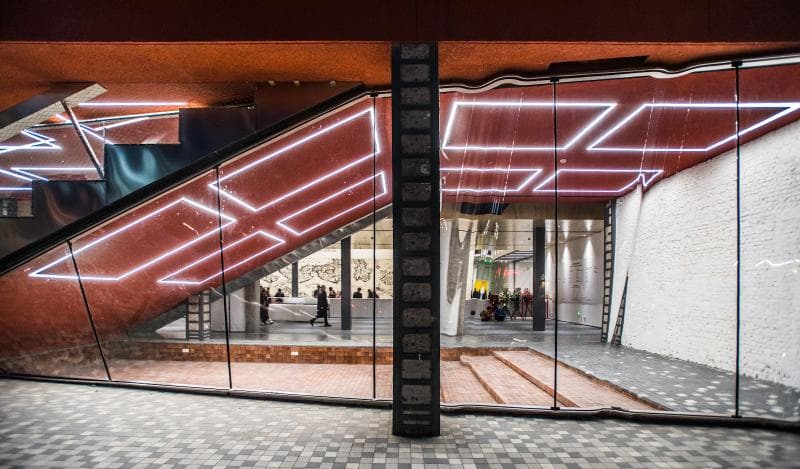
Explore UCCA Center for Contemporary Art in Beijing, China, a leading institution housed in former Bauhaus-style factories within the 798 Art District.
Overview
Nestled within the dynamic 798 Art District in Beijing, China, the UCCA Center for Contemporary Art stands as a prominent institution dedicated to showcasing both Chinese and international contemporary art. It serves as a vital bridge, connecting China's evolving art scene with global artistic dialogues. UCCA Beijing is housed within the distinctive, repurposed factory chambers that characterize the 798 Art District itself, offering visitors a unique blend of industrial heritage and cutting-edge creativity. The center is a not-for-profit organization that welcomes over one million visitors annually, making it one of the most visited contemporary art museums globally.
UCCA's mission is rooted in the belief that art can enrich lives and transcend boundaries, presenting a diverse range of exhibitions, public programs, and research initiatives. It has established itself as a leading independent institution in China, playing a crucial role in fostering cultural exchange and the continuous development of the country's contemporary art landscape.
History & Cultural Background
The story of UCCA is deeply intertwined with that of the 798 Art District. The district originated in the 1950s as a complex of state-owned military factory buildings, a joint project between China and East Germany. Architects from the Dessau Design Institute, the postwar successor to the Bauhaus, designed these factories, resulting in spacious, light-filled workshops that would later become ideal for art spaces.
As these factories began to close in the late 20th century, artists started moving into the area in the early 2000s, drawn by the affordable rents and unique architectural character. This organic transformation slowly gave birth to the 798 Art District, a sprawling hub of galleries, studios, and creative businesses.
The UCCA Center for Contemporary Art, originally known as the Ullens Center for Contemporary Art, was founded in November 2007 by Belgian collectors Guy and Myriam Ullens. Their vision was to bring Chinese contemporary art into global dialogue. In 2017, UCCA transitioned to the stewardship of a dedicated group of Chinese and international patrons and shareholders, becoming formally known as UCCA Center for Contemporary Art. It was also accredited as a non-profit museum by the Beijing government in 2018.
What Makes It Special
UCCA's distinctiveness stems from several key factors. Firstly, its location within the 798 Art District is paramount. The museum's premises are former factory chambers, maintaining traces of their industrial past with architectural elements like sawtooth roofs and vast open spaces. This blend of industrial heritage and contemporary art creates a captivating atmosphere, a testament to Beijing's creative evolution.
Secondly, UCCA is celebrated for its ambitious exhibition program, consistently presenting major works by influential Chinese and international artists. It systematically explores key historical narratives of Chinese contemporary art while also showcasing best-in-class exhibitions from leading global talents. Since its founding, UCCA has presented over 200 exhibitions, attracting millions of visitors.
Furthermore, UCCA has expanded its reach beyond Beijing, operating a constellation of distinct museums, including UCCA Dune in Beidaihe and UCCA Clay in Yixing. While each location offers a unique architectural style and exhibition focus, UCCA Beijing remains the heart of its operations and its most established site.
Stories, Fun Facts & Local Details
The journey of UCCA, much like the 798 Art District itself, is a compelling narrative of transformation. The former military factory complex, built with East German expertise, saw a 'renaissance' in the early 2000s as artists breathed new life into its deserted industrial spaces. This creative influx prevented the complex from demolition and ultimately led to its recognition as China's first state-recognized and protected art district.
A visit to UCCA is not just about viewing art; it's an immersion into a unique cultural ecosystem. The Great Hall, an 1,800-square-meter signature exhibition space, is a highlight, often hosting large-scale installations. The museum also plans to add a library and archive, aiming to provide resources for scholars and the public, further solidifying its role as a center for art-historical discourse and research.
The surrounding 798 Art District offers a vibrant atmosphere with trendy cafes, boutique shops, and a variety of cultural experiences, making it a place where visitors can spend a half-day exploring beyond the museum walls.
Visitor Perspective
For a curious traveler, UCCA Center for Contemporary Art offers an enriching and thought-provoking experience. Plan to spend around 2 to 3 hours exploring the main exhibitions and the unique architecture. The museum provides an excellent opportunity to engage with contemporary art in a setting unlike any other.
UCCA is located at the heart of the 798 Art District, accessible via public transport or rideshare services. While the district can be busiest on weekends, weekday afternoons often offer a more relaxed visit. The entrance fee typically varies, but discounts are often available for students and seniors. Beyond the art, the distinctive Bauhaus-influenced industrial architecture of the entire 798 district, which UCCA embodies, is an attraction in itself, providing a fascinating backdrop to the modern artworks it houses.
Coordinates: 116.48793, 39.989057
View on Google Maps💬 How Travelers Describe This Place
Based on community votes
Unique
950Beautiful
858Interesting
287Must See
275Photogenic
231
Traveler Stories
Discover memorable experiences shared by travelers who have visited this place.
No traveler stories yet.
Be the first traveler to share what made this place memorable.

Tour
By
Spot
Discover amazing places around the world. Your journey starts here.
Explore
© 2026 TourBySpot. All rights reserved.