Zemun Old Town
Belgrade, Serbia
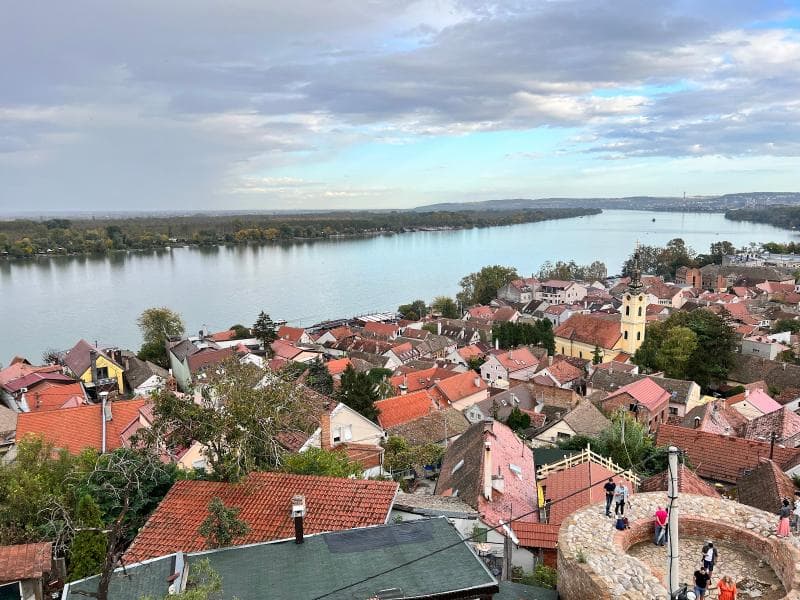
Explore Zemun Old Town in Belgrade, Serbia. Discover its rich history, the iconic Gardoš Tower, charming streets, and Danube views.
Overview
Stepping into Zemun Old Town, located within Belgrade, Serbia, feels like entering a different era. Once a distinct settlement, Zemun offers a unique charm with its Central European ambiance, contrasting with Belgrade's more Balkan character. It is situated on the right bank of the Danube River, upstream from downtown Belgrade. The old town is characterized by its sloping streets, pastel-colored facades, and a captivating blend of historical architecture that reflects its diverse past. Visitors can explore cobbled pathways, vibrant market squares, and a scenic riverside promenade.
History & Cultural Background
Zemun boasts a rich and layered history stretching back to the Neolithic period, making it one of the oldest settlements in the region. Originally a Celtic settlement known as Taurunum, it later became an important Roman military outpost on the Danube border. Throughout the Middle Ages, it was contested by various powers, including the Kingdom of Hungary and the Byzantine Empire. From the 18th century until 1918, Zemun served as a crucial border crossing between the Habsburg (Austro-Hungarian) and Ottoman empires, profoundly influencing its urban development and cultural identity. This strategic location meant it developed separately from Belgrade for centuries, cultivating its own rhythm and architectural style. It was formally incorporated into Belgrade in 1934.
What Makes It Special
The defining landmark of Zemun Old Town is the Gardoš Tower, also known as the Millennium Tower. Erected in 1896, this memorial tower commemorates a thousand years of Hungarian settlement in the Pannonian plain. It stands majestically atop Gardoš Hill, on the remnants of a 14th or 15th-century medieval fortress. The tower's design is an eclectic mix of architectural styles, primarily Roman. From its summit, visitors are treated to breathtaking panoramic views of the Danube River, the red rooftops of Zemun, and Belgrade in the distance. The scenic Danube quay, with its abundance of fish restaurants and cafes, offers a relaxing atmosphere, ideal for leisurely strolls.
Stories, Fun Facts & Local Details
Zemun is a treasure trove of stories and intriguing details. The Gardoš Tower is colloquially named after John Hunyadi, a historical figure who died in the old fortress centuries before the tower's construction. For decades, the tower served a practical purpose as a lookout for Zemun's firemen. Another fascinating historical element is the Kontumac, a quarantine station established in 1730 to prevent the spread of disease from the Ottoman Empire into Habsburg territories. Travelers from Belgrade to Zemun once had to undergo a 52-day isolation period here. Zemun's history also includes a significant Jewish community; tragically, most of its members perished during World War II. The town's historical trade activities are still visible in its old merchant houses and the bustling morning market.
Visitor Perspective
Visitors often describe Zemun as a 'city within a city,' appreciating its distinct identity and slower pace compared to central Belgrade. The best way to experience Zemun is to wander slowly through its streets below Gardoš Hill, noticing the details like curved corners and low houses. Key areas to explore include Magistratski Trg, Veliki Trg, and the charming Gospodska Street. Climbing Gardoš Tower is highly recommended for its unparalleled views, especially at sunset. The riverside promenade, Zemunski Kej, is perfect for a relaxed walk or enjoying fresh fish at one of the many restaurants lining the Danube. Zemun's blend of history, unique architecture, and picturesque riverside setting makes it an essential visit for any curious traveler to Belgrade.
Coordinates: 20.40116, 44.8458
View on Google Maps💬 How Travelers Describe This Place
Based on community votes
Beautiful
551Must See
547Photogenic
421Unique
298Interesting
212
Traveler Stories
Discover memorable experiences shared by travelers who have visited this place.
No traveler stories yet.
Be the first traveler to share what made this place memorable.
Things to see at Zemun Old Town



Tour
By
Spot
Discover amazing places around the world. Your journey starts here.
Explore
© 2026 TourBySpot. All rights reserved.