Gardoš Tower
Belgrade, Serbia
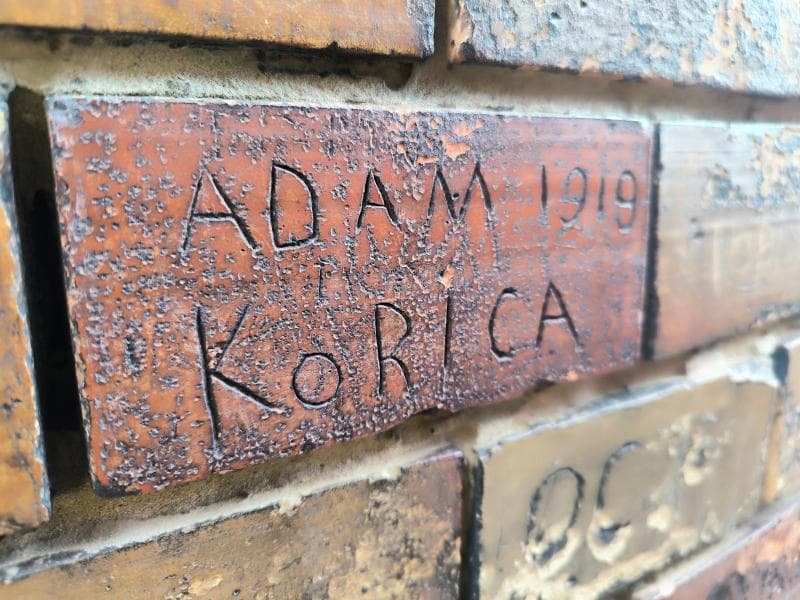
Explore Gardoš Tower, also known as Millennium Tower, in Zemun Old Town, Belgrade, Serbia. Discover its history, panoramic views, and local legends.
Overview
Perched majestically on Gardoš Hill in Zemun Old Town, a charming district of Belgrade, Serbia, stands the iconic Gardoš Tower. Often referred to as the Millennium Tower or, affectionately by locals, the Tower of John Hunyadi (Kula Sibinjanin Janka), this striking structure offers an unparalleled vantage point over the Danube River and the sprawling cityscape. It is a defining symbol of Zemun, drawing visitors with its rich history and breathtaking panoramic views. A visit here transports you to a place where history, culture, and stunning natural beauty converge, providing a unique perspective on Belgrade's fascinating past and vibrant present.
History & Cultural Background
The Gardoš Tower was erected in 1896, not as a defensive structure, but as a commemorative monument. It was built by the Hungarian authorities to celebrate a thousand years of Hungarian settlement in the Pannonian Plain, marking a significant historical milestone for the region. This imposing tower was part of a grander 'Millennium project' which included seven monuments across the Hungarian part of the Austro-Hungarian Empire, with Gardoš Tower serving as the southernmost of these symbolic structures. Strategically placed on the remnants of the medieval Zemun Fortress, also known as Taurunum, the tower sits atop a site with a history stretching back to prehistoric times, with archaeological findings revealing Roman graves from the 2nd or 3rd century AD at its base. Over centuries, this hill witnessed Roman outposts, Ottoman skirmishes, and Austro-Hungarian rule, making the tower a modern layer upon a deep historical foundation. Although centuries younger than the fortress it crowns, the tower's construction style, blending various influences predominantly Roman and Neo-Romanesque, reflects the imperial architectural tastes of its era.
What Makes It Special
What truly sets Gardoš Tower apart is its unique blend of historical significance, architectural charm, and its role as a premier viewpoint. Standing at 36 meters tall, its hilltop location gives it an even more commanding presence, appearing to soar high above Zemun. Its architecture, characterized by Romanesque influences, sandstone, and custom-made hollow bricks, gives it a distinct and enduring character. From its observation deck, visitors are treated to expansive, breathtaking views of the Danube River winding its way through the landscape, the lush Great War Island, the red-tiled roofs of Old Zemun, and the distant Belgrade Fortress. It's one of the few Millennium Towers from that era still standing outside modern Hungary, making it a tangible link to a complex European past. Beyond its historical facade, the tower today serves as a vibrant cultural hub, often hosting art exhibitions, literary events, and other cultural gatherings, especially within the 'Čubrilo' gallery housed inside.
Stories, Fun Facts & Local Details
The Gardoš Tower is steeped in intriguing stories and local lore. While officially known as the Millennium Tower, many locals refer to it as the 'Tower of John Hunyadi' or 'Kula Sibinjanin Janka.' This is a tribute to the Hungarian knight John Hunyadi, who famously died in the medieval fortress that once occupied this site, centuries before the tower's construction. For decades, the tower served a practical purpose beyond commemoration, acting as a crucial lookout for Zemun's fire brigade due to its strategic vantage point. There's also an enduring local urban myth about hidden underground tunnels beneath the tower, a belief that gained traction after the tower was severely damaged during World War I and subsequently renovated. More recently, archaeological explorations in 2012-2013 uncovered remarkably preserved Roman graves, dating back to the 2nd or 3rd century AD, near the tower's foundations, leading to the fascinating nickname of the skeletons found within: 'the oldest Zemunians.' The surrounding Zemun Old Town further enhances the experience, with its picturesque cobblestone streets, preserved historic houses, and a lively artistic community, offering a truly authentic glimpse into Belgrade's past.
Visitor Perspective
For a curious traveler, visiting Gardoš Tower is an immersive journey into history and a feast for the senses. The ascent to the top, often via a spiral staircase, is rewarded with a spectacular 360-degree panorama that captures the essence of Zemun and Belgrade. The views are particularly magical around sunset when the city lights begin to twinkle and the sky paints itself in warm hues, offering incredible photographic opportunities. It's recommended to wear comfortable shoes for the walk up the charming, often cobbled, streets of Gardoš Hill. After soaking in the views and exploring the cultural exhibitions inside, a leisurely stroll through the narrow alleys of Zemun Old Town is a must. Here, you can discover hidden cafes, artisan shops, and enjoy the tranquil atmosphere that distinguishes Zemun from the bustling center of Belgrade. Gardoš Tower is not just a landmark; it's an experience that offers a profound connection to the region's layered history and a cherished memory for any traveler.
Coordinates: 20.40975, 44.848333
View on Google Maps💬 How Travelers Describe This Place
Based on community votes
Unique
639Interesting
526Must See
421Beautiful
366Photogenic
181
Traveler Stories
Discover memorable experiences shared by travelers who have visited this place.
No traveler stories yet.
Be the first traveler to share what made this place memorable.

Tour
By
Spot
Discover amazing places around the world. Your journey starts here.
Explore
© 2026 TourBySpot. All rights reserved.