Cobblestone Streets
Belgrade, Serbia
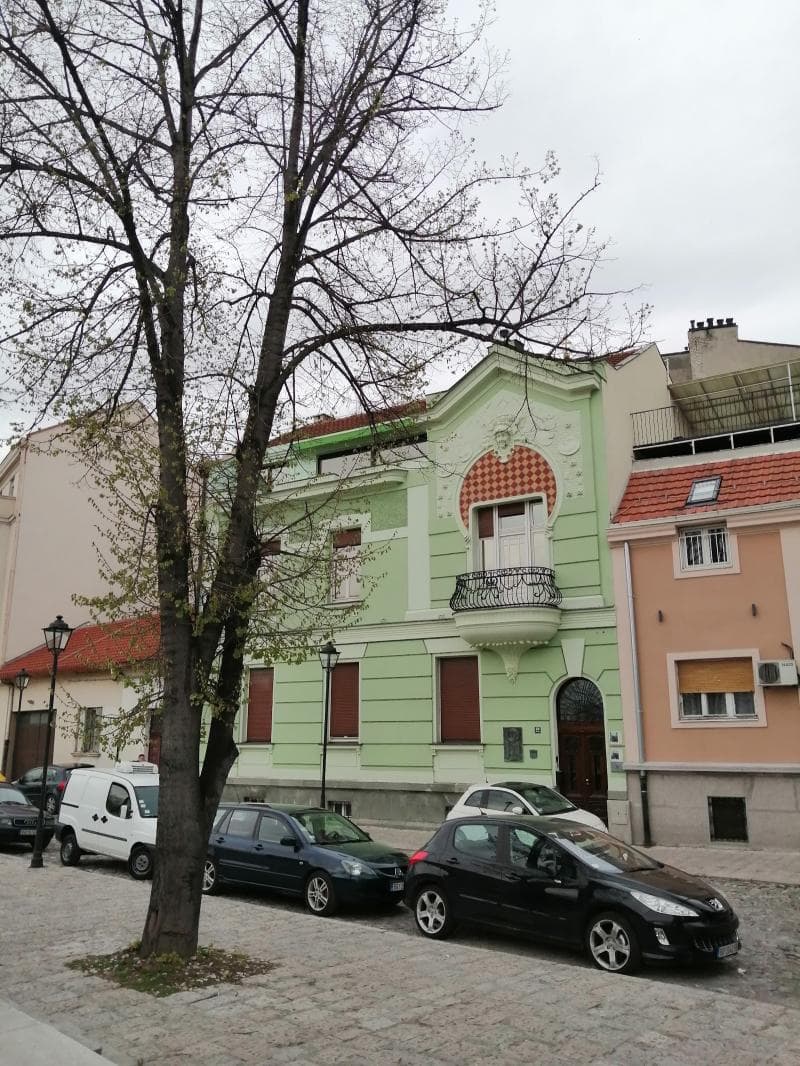
Wander the charming cobblestone streets of Zemun Old Town in Belgrade, Serbia. Explore its rich history, Austro-Hungarian architecture, and Danube views.
Overview
Stepping onto the cobblestone streets of Zemun Old Town in Belgrade, Serbia, feels like traveling back in time. This charming district, perched on the right bank of the Danube, offers a distinct atmosphere that sets it apart from the bustling Serbian capital. While officially a municipality of Belgrade since 1934, locals often refer to Zemun as a separate city, a sentiment echoed by its unique Austro-Hungarian architecture, slower pace, and winding, hilly pathways. These historic streets are not merely thoroughfares; they are the arteries of a place rich in history and vibrant local life, leading visitors through a tapestry of past and present.
The cobblestone streets themselves are a defining feature, inviting leisurely exploration and offering a tangible connection to Zemun's layered past. From the iconic Gardoš Tower, offering panoramic views, to the lively Zemunski Kej (Danube Promenade) and the colorful local market, these paths connect key attractions and reveal the district's bohemian and artistic spirit.
History & Cultural Background
Zemun's history stretches back millennia, with traces of Neolithic settlements found at Gardoš Hill. It was known as Taurunum by the Celts in the 4th century B.C. and later became an important Roman city, a seat of a river fleet. Its strategic location at the confluence of the Sava and Danube rivers made it a coveted territory, leading to a complex history marked by numerous rulers, including the Huns, Ostrogoths, Avars, Slavs, Franks, Bulgarians, Byzantines, and Hungarians.
For centuries, Zemun developed independently from Belgrade, often belonging to different states. It endured periods of Ottoman rule before being taken over by the Austrian army in 1717, after which it flourished under Austro-Hungarian influence. This rich tapestry of civilizations left an indelible mark on its architecture and culture, creating the unique blend seen today. The Gardoš Tower, or Millennium Tower, erected in 1896 to commemorate a thousand years of Hungarian settlement in the Pannonian plain, stands as a prominent symbol of this historical chapter.
What Makes It Special
The cobblestone streets of Zemun Old Town are special because they are more than just old roads; they are a living museum. They wind through a maze of traditional Balkan-style and Austro-Hungarian buildings, reflecting a past distinct from central Belgrade. The hilly terrain means that each turn can reveal a new vista, often culminating in breathtaking views of the Danube and the surrounding cityscape from elevated points like Gardoš Hill.
Unlike the modern grid of many urban centers, Zemun's streets encourage a slower, more deliberate pace, inviting visitors to wander without a strict agenda. This organic layout, coupled with the preserved architecture and the absence of heavy traffic, creates an almost village-like charm within a major European capital. The sense of a 'city within a city' is palpable, offering a tranquil escape and a window into a different side of Serbian heritage.
Stories, Fun Facts & Local Details
Many locals still consider Zemun a distinct entity, and you'll hear them say they're 'going to Belgrade' even though they live within the same urban area. This pride in their unique identity is deeply embedded in the character of the Old Town. One of the oldest houses in Belgrade, the 'Beli Medved' tavern, a 17th-century example of Balkan architecture, can be found here, rumored to have been a favorite meeting place for old Zemun residents.
Gospodska Street, a key artery of the Old Town, is famous for its vibrant market and artisan shops, where local commerce and craftsmanship continue to thrive. Another intriguing aspect is the local lore surrounding the 'lagums,' or underground tunnels. One popular urban myth suggests that some of these subterranean passages, originating from below Gardoš Tower, stretch all the way under the Sava River, connecting to the Belgrade Fortress. While unproven, such stories add to the mystique of Zemun's ancient foundations.
Visitor Perspective
For visitors, exploring Zemun's cobblestone streets is an immersive experience. It's universally recommended to wear comfortable shoes, as the winding, often steep, cobblestone paths demand sturdy footwear. The reward, however, is immense: a chance to truly 'get lost' and discover hidden courtyards, quaint cafes, and authentic local spots that preserve the town's original charm.
The atmosphere is relaxed and inviting, a welcome contrast to the faster pace of central Belgrade. Many find joy in simply strolling, soaking in the views from Gardoš Tower, and enjoying a coffee at a riverside cafe along Zemunski Kej. This blend of historical depth, architectural beauty, and a laid-back lifestyle makes the cobblestone streets of Zemun Old Town an unforgettable destination for anyone seeking an authentic glimpse into Serbia's past and present.
Coordinates: 20.40975, 44.848333
View on Google Maps💬 How Travelers Describe This Place
Based on community votes
Interesting
869Must See
445Beautiful
416Photogenic
309Unique
33
Traveler Stories
Discover memorable experiences shared by travelers who have visited this place.
No traveler stories yet.
Be the first traveler to share what made this place memorable.

Tour
By
Spot
Discover amazing places around the world. Your journey starts here.
Explore
© 2026 TourBySpot. All rights reserved.