Warsaw Uprising Museum
Warsaw, Poland
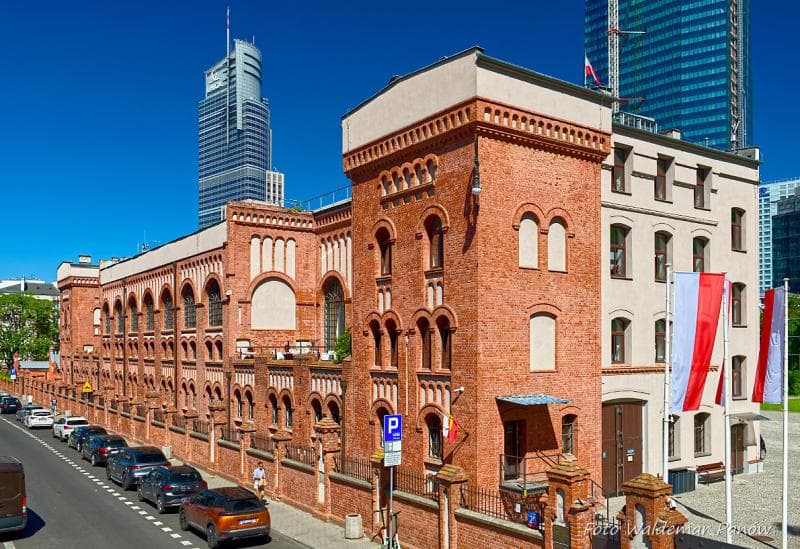
Explore the Warsaw Uprising Museum in Warsaw, Poland, a powerful tribute to the 1944 uprising with immersive exhibits and historical context.
Overview
The Warsaw Uprising Museum, known in Polish as Muzeum Powstania Warszawskiego, stands as a profoundly moving and comprehensive tribute to one of the most pivotal and tragic events in Poland's modern history: the 1944 Warsaw Uprising. Located in Warsaw, Poland, this museum opened its doors on July 31, 2004, marking the 60th anniversary of the uprising's outbreak. It is housed within a former power station that once served Warsaw's tram system, a building that itself bore witness to the war's devastation. The museum serves not only as a memorial to the brave men and women who fought for an independent Poland and its free capital but also as an educational institution, preserving and sharing the intricate details of their sacrifice.
Renowned for its innovative and immersive approach to history, the Warsaw Uprising Museum goes beyond traditional displays, utilizing a rich tapestry of multimedia, interactive elements, and authentic artifacts to transport visitors back to the 63 days of intense fighting. It is consistently lauded as one of the best museums in Poland, offering a deep emotional connection to the past.
History & Cultural Background
The Warsaw Uprising was a 63-day armed insurrection that began on August 1, 1944, at 5:00 PM, an hour famously known as 'W-hour'. It was launched by the Polish Home Army (Armia Krajowa), the largest resistance organization in occupied Europe, with the aim of liberating Warsaw from Nazi German occupation before the Red Army arrived. The uprising was a desperate fight for independence, fueled by a deep rejection of the violence of occupation and a desire to reclaim national dignity.
Tragically, the uprising ended in immense loss of life and the near-total destruction of Warsaw. Over 20,000 Polish soldiers and civilians perished, and the city was systematically razed by German forces in retaliation. A crucial and devastating aspect of the uprising's failure was the lack of anticipated support from Allied forces, particularly the Soviet Red Army, which halted its advance on the outskirts of Warsaw, allowing the German suppression to proceed unchecked. This political maneuver ultimately contributed to Poland falling under Soviet influence for decades after the war.
For nearly 50 years under communist rule, the memory of the Warsaw Uprising was suppressed and distorted, with its participants often facing severe repression. The establishment of the Warsaw Uprising Museum in 2004, following years of effort and initial institutional establishment in 1983, was a monumental step in openly commemorating this heroic yet tragic chapter, ensuring that the bravery and sacrifice of the insurgents would be rightfully honored and remembered in an independent Poland.
What Makes It Special
The Warsaw Uprising Museum distinguishes itself through its uniquely immersive and multi-sensory visitor experience. Rather than merely presenting facts, the museum draws visitors into the atmosphere of 1944 Warsaw. The sound of a human heartbeat, symbolizing the city's pulse and resilience, can be heard throughout the museum, occasionally punctuated by the chilling sounds of bombs dropping.
The exhibition spans over 3,000 square meters, featuring approximately 800 exhibit items, 1,500 photographs, films, and sound recordings. Highlights include a full-sized replica of a B-24 Liberator bomber aircraft, which symbolizes the Allied efforts to drop supplies to the insurgents. Visitors can also navigate a reconstructed sewer system, an experience that viscerally conveys how insurgents moved undetected beneath the city. A working printing press from the 1940s demonstrates how underground newspapers and leaflets were produced, showcasing the ingenuity of the resistance. The museum's interactive displays, large-format projections, and the powerful 3D film 'City of Ruins,' which depicts the destroyed city from an aerial perspective, combine to create an unforgettable and emotionally resonant journey through history.
Stories, Fun Facts & Local Details
Within the museum's walls, countless personal stories bring the history of the uprising to life. You'll find touching exhibits of personal belongings, weapons, and even love letters exchanged between insurgents, providing an intimate glimpse into their lives and struggles. The 'Little Insurgent' room is a particularly poignant section, dedicated to the experiences of children during the uprising. Designed to resemble a classroom, it features drawings by children who lived through the conflict and aims to help younger visitors understand their unique role and resilience.
The museum's setting in a former tram power station adds another layer of historical authenticity, connecting the site directly to Warsaw's past. The interior also features a striking steel monument that runs through all floors, marking the timeline of the uprising and echoing the city's enduring spirit. Original newsreels filmed by insurgent cinematographers during the uprising are screened in the museum's Palladium cinema, offering rare, authentic glimpses of the events as they unfolded.
Visitor Perspective
Visitors consistently describe the Warsaw Uprising Museum as an engrossing, inspiring, and intensely emotional experience. Many attest to its ability to create a profound impression, making it a must-see for anyone interested in Polish history or World War II. Its powerful narrative is designed to be accessible to a wide audience, blending military history with the compelling human stories of courage and resilience.
Located at Grzybowska 79, 00-844 Warsaw, Poland, the museum is easily accessible. Public transportation options include the metro (Rondo Daszyńskiego station, a short walk away), trams, and buses. It is advisable to allocate a significant amount of time for a visit, with many recommending at least 3.5 hours to fully absorb the extensive exhibits. Audio guides are available in multiple languages and are highly recommended to enhance the understanding of the displays. Admission to the museum is free on Thursdays, with tickets issued at the museum's ticket office.
Coordinates: 20.981, 52.2325
View on Google Maps💬 How Travelers Describe This Place
Based on community votes
Interesting
853Must See
667Unique
190Photogenic
93Beautiful
32
Traveler Stories
Discover memorable experiences shared by travelers who have visited this place.
No traveler stories yet.
Be the first traveler to share what made this place memorable.
Things to see at Warsaw Uprising Museum



Tour
By
Spot
Discover amazing places around the world. Your journey starts here.
Explore
© 2026 TourBySpot. All rights reserved.