Replica Sewers
Warsaw, Poland
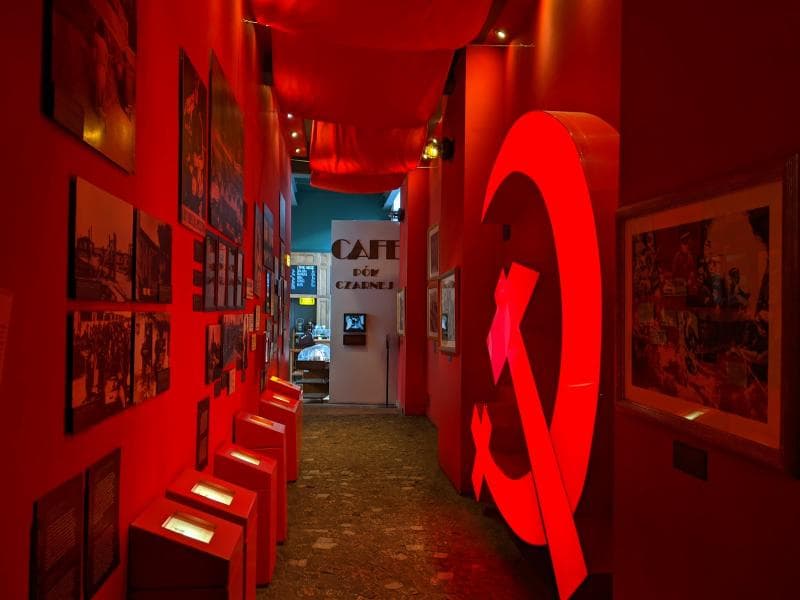
Explore the Replica Sewers at the Warsaw Uprising Museum in Warsaw, Poland. Experience the harrowing underground passages used by insurgents during the 1944 Uprising.
Overview
Deep within the Warsaw Uprising Museum, an evocative and somber exhibit known as the 'Replica Sewers' transports visitors directly into one of the most harrowing realities of the 1944 Warsaw Uprising. Located in Warsaw, Poland, this powerful installation is more than just a display; it is an immersive, tangible link to the incredible bravery and suffering experienced by Polish insurgents and civilians. The museum itself is dedicated to preserving the memory and documenting the history of the 63-day uprising against Nazi occupation, making the sewer replica a crucial component of its narrative.
The replica provides a visceral understanding of the underground routes that became a lifeline during intense fighting. It invites contemplation on the desperate circumstances that forced people into the city's dark, confined subterranean network. Visitors navigate a simulated section of these wartime passages, designed to convey the claustrophobic and challenging conditions faced by those who sought refuge, transported vital supplies, or attempted escape beneath the war-torn city.
History & Cultural Background
The extensive sewer system beneath Warsaw, largely designed in the late 19th century by British engineer William Lindley, was never intended for military or civilian transit. However, during the Warsaw Uprising, as the city above ground became a deadly battlefield, these sewers transformed into a critical, albeit perilous, network. Insurgents of the Polish Home Army used them to move undetected between districts such as the Old Town, Śródmieście, and Żoliborz, facilitating communication, transporting weapons, and evacuating the wounded and civilians.
This clandestine use of the sewers became a symbol of Polish ingenuity and defiance. The Germans, initially unaware of the extent to which the underground passages were being utilized, eventually developed 'sewer paranoia' as fighters seemingly vanished and reappeared. The desperate journeys through the sewers are deeply ingrained in Poland's collective memory, immortalized in film and countless personal accounts, highlighting the extreme measures taken in the fight for freedom.
What Makes It Special
What sets the 'Replica Sewers' apart is its profound ability to convey historical reality through sensory experience. Unlike simply reading about events, stepping into this dimly lit, cramped tunnel offers a direct, albeit sanitized, encounter with the past. The exhibit is designed to replicate the narrow, winding passages that insurgents and civilians navigated, albeit without the actual sewage, toxic fumes, or decomposing bodies that plagued the original routes.
This carefully constructed environment helps visitors grasp the sheer physical and psychological challenge of moving through such conditions. It serves as a powerful testament to the resilience and determination of those who risked everything in the suffocating darkness below ground. The replica is a key element of the museum's commitment to interactive and immersive storytelling, making history accessible and emotionally resonant for all who pass through.
Stories, Fun Facts & Local Details
The true sewers were a horrific labyrinth. Accounts tell of insurgents crawling for hours in total darkness, navigating through waist-high sewage, and battling not only the elements but also fear, fatigue, and the grim reality of dead bodies and rats. Breathing was often difficult due to a lack of oxygen and the presence of methane gas. Despite these unimaginable hardships, thousands of people, including children, used these passages, sometimes as the only means of escape or communication. For instance, an estimated 6,000 people were able to flee from the Old Town to downtown Warsaw through the sewers.
One poignant detail is that German forces would sometimes wait at manholes with machine guns, ambushing those who emerged from the depths. The conditions were so dire that even hardened adult insurgents sometimes broke mentally, while young scouts, dubbed 'sewer rats,' showed incredible fortitude. The experience of the sewers was also dramatically depicted in Andrzej Wajda's 1956 film 'Kanał,' which brought this tragic aspect of the Uprising to wider attention.
Visitor Perspective
Walking through the 'Replica Sewers' is often described as a sobering and thought-provoking experience. While intentionally designed to be navigable and safely lit, it successfully evokes a sense of claustrophobia and the immense difficulties faced by those who used the real sewers. Visitors frequently emerge with a renewed sense of admiration for the courage of the Varsovians.
It is an exhibit that stays with you, fostering a deeper empathy for the human cost of war and the extreme lengths people will go to for freedom. Although it can be challenging for those prone to claustrophobia, visitors are not obliged to enter and can bypass it if they choose, ensuring that everyone can engage with the museum's powerful narrative at their own comfort level. This replica stands as a poignant reminder that even in the darkest, most constrained spaces, the human spirit can find a way to resist and survive.
Coordinates: 20.981274, 52.232283
View on Google Maps💬 How Travelers Describe This Place
Based on community votes
Beautiful
623Interesting
545Unique
343Must See
302Photogenic
20
Traveler Stories
Discover memorable experiences shared by travelers who have visited this place.
No traveler stories yet.
Be the first traveler to share what made this place memorable.

Tour
By
Spot
Discover amazing places around the world. Your journey starts here.
Explore
© 2026 TourBySpot. All rights reserved.