Interactive Exhibits
Warsaw, Poland
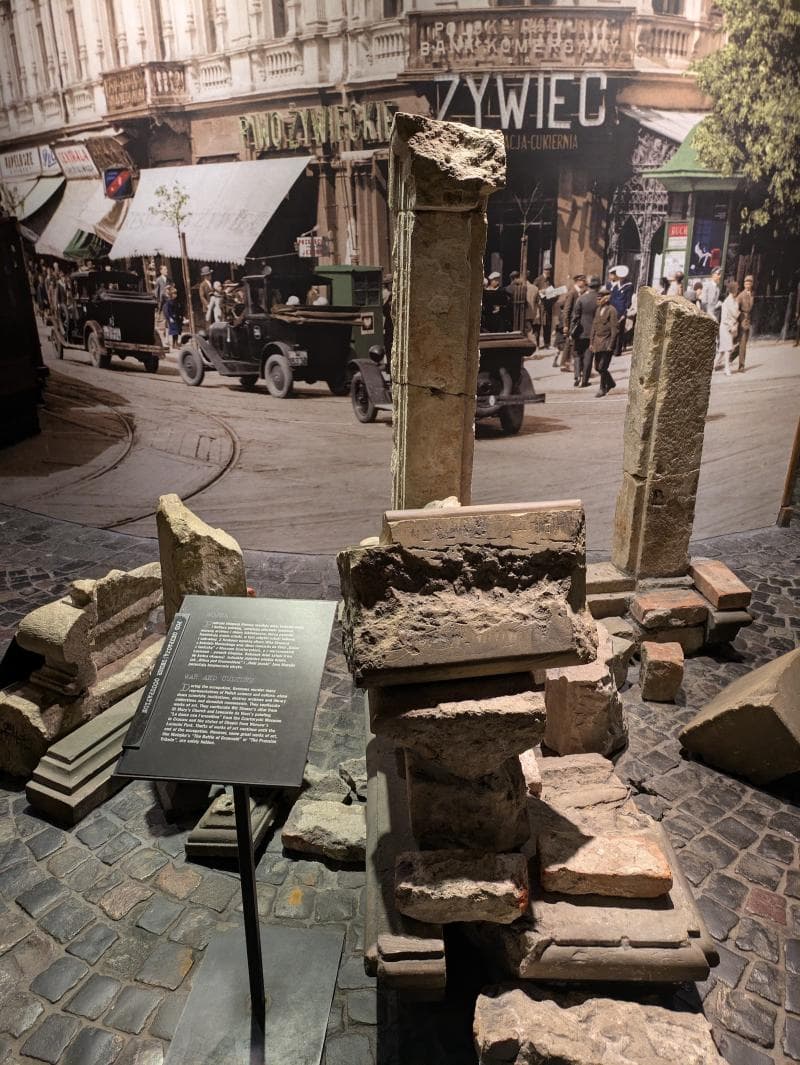
Explore the Warsaw Uprising Museum's interactive exhibits in Warsaw, Poland. Discover the 1944 uprising through immersive displays and personal stories.
Overview
The Warsaw Uprising Museum in Warsaw, Poland, offers a profoundly immersive journey into one of World War II's most poignant and heroic chapters: the 1944 Warsaw Uprising. This isn't a traditional museum solely reliant on static displays; instead, its 'Interactive Exhibits' are central to its mission, designed to transport visitors directly into the historical experience. The museum, housed in a former tram power station, masterfully uses state-of-the-art display techniques to convey the bravery and immense suffering of the Polish resistance and civilians. Through a blend of multimedia installations, reconstructions, and tactile experiences, the interactive exhibits allow for a deep, personal connection with the past, making the history of the uprising accessible and unforgettable for all ages.
History & Cultural Background
The Warsaw Uprising was a 63-day armed struggle by the Polish Home Army (Armia Krajowa) to liberate Warsaw from Nazi German occupation during World War II, beginning on August 1, 1944, at 5 PM, known as 'W-hour'. Despite fierce fighting and immense bravery from approximately 30,000 Polish soldiers and countless civilians, the uprising was brutally suppressed, leading to catastrophic losses, including around 150,000 civilian deaths and the near-total destruction of the city. The museum, which opened on July 31, 2004, on the 60th anniversary of the uprising, stands as a powerful tribute from Warsaw's residents to those who fought and died for an independent Poland and its free capital. It not only commemorates the military aspects but also deeply explores the daily life under occupation and the spirit of resistance, placing the uprising within the broader context of World War II and the subsequent communist regime.
What Makes It Special
The interactive exhibits are the heartbeat of the Warsaw Uprising Museum, setting it apart as a world-class historical institution. One of the most striking features is the replica of the sewer system, allowing visitors to crawl through a dark, confined space, simulating the clandestine routes used by insurgents for communication and movement during the fighting. This physical immersion provides a visceral understanding of the challenges faced by those in the resistance. Another deeply moving exhibit is the 'Little Insurgent's Room,' dedicated to the youngest participants and children's experiences of the uprising. It replicates a schoolroom, featuring children's drawings and offering activities designed to engage young visitors and help them understand this difficult period.
Beyond physical reconstructions, the museum extensively uses multimedia. You can listen to original footage and eyewitness testimonies, with stories of heroism and sacrifice echoing through the halls. The 'City of Ruins' is a powerful five-minute 3D film that offers a bird's-eye view of Warsaw completely devastated after the uprising, creating a poignant visual record of the city's destruction. The museum also showcases a replica of a Liberator B-24J bomber, highlighting the Allied airdrops of supplies to the insurgents. Furthermore, visitors can explore interactive maps and touchscreens, providing detailed contextual information about strategic movements and key locations. An interactive printing press allows a glimpse into how clandestine publications were produced and circulated, demonstrating the ingenuity of the underground state.
Stories, Fun Facts & Local Details
The museum excels at weaving personal narratives into the grand historical tapestry. The exhibition's design often incorporates sensory elements: bullet-marked walls where whispers of people hiding can be heard, creating an eerie yet authentic atmosphere. Soundscapes, featuring the distant thud of bombs or the frantic heartbeat of the city, envelop visitors, intensifying the experience. Throughout the museum, drawers can be pulled out to read about the individual lives of soldiers, giving a face to the collective struggle. A clock in the museum is permanently set to 5 PM, commemorating 'W-hour,' the moment the uprising began, serving as a constant reminder of the precise instant history was made. The focus extends beyond the battlefield, portraying the everyday life of civilians, their resilience, and the makeshift solutions they found to survive. Even love letters from insurgents are among the hundreds of artifacts, showcasing the profound human stories behind the conflict.
Visitor Perspective
Visiting the Warsaw Uprising Museum is an intensely emotional and thought-provoking experience. The interactive exhibits ensure that the history is not merely observed but truly felt. The multi-sensory approach, combining audio, visual, and physical elements, fosters a deep empathy for those who lived through the uprising. It's often described as immersive and overwhelming, requiring several hours to fully absorb. While the subject matter is undeniably somber and can be intense, the museum's thoughtful curation and modern presentation techniques make the complex history accessible to a varied audience, including younger visitors, thanks to engaging displays like the 'Little Insurgent's Room'. The museum stands as a powerful testament to human resilience and the enduring spirit of a city and nation determined never to forget.
Coordinates: 20.981, 52.2325
View on Google Maps💬 How Travelers Describe This Place
Based on community votes
Interesting
898Photogenic
667Beautiful
618Must See
449Unique
308
Traveler Stories
Discover memorable experiences shared by travelers who have visited this place.
No traveler stories yet.
Be the first traveler to share what made this place memorable.

Tour
By
Spot
Discover amazing places around the world. Your journey starts here.
Explore
© 2026 TourBySpot. All rights reserved.