Viktualienmarkt
Munich, Germany
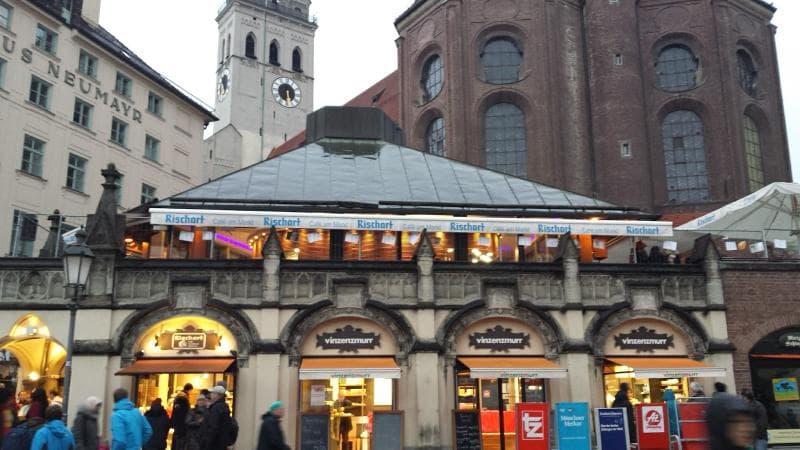
Discover Viktualienmarkt, Munich's historic food market. Explore fresh produce, local delicacies, and the famous beer garden in Germany.
Overview
The Viktualienmarkt in Munich, Germany, is far more than just a market; it's a vibrant open-air institution and a culinary heart of the city. Located just a short stroll from Marienplatz, this bustling market has evolved from a simple farmers' market into a gourmet paradise, attracting both locals and visitors alike. With over 140 stalls spread across 22,000 square meters, it offers an incredible array of fresh produce, exotic fruits, artisanal cheeses, succulent meats, fresh fish, aromatic spices, and vibrant flowers. The market is a sensory delight, where the aroma of freshly baked goods mingles with the scent of seasonal ingredients and the lively chatter of vendors and shoppers creates an unforgettable atmosphere. It serves as a central meeting point and a place where Munich's rich gastronomic heritage is proudly displayed every day, except Sundays and holidays.
History & Cultural Background
The history of the Viktualienmarkt dates back to the early 19th century. Until then, Munich's central trading hub was Marienplatz, but as the city grew, the space became insufficient for the increasing demand for produce. In 1807, King Maximilian I issued a decree to relocate the market to an area between the Heilig-Geist-Kirche (Church of the Holy Spirit) and Frauenstraße. This new location, initially known simply as 'Marktplatz' (market square) or the 'Green Market' due to the goods sold there, eventually adopted the name 'Viktualienmarkt.' The name 'Viktualien' is derived from the Latin word 'victualia,' meaning 'food' or 'provisions,' reflecting its purpose as a food market. Over the decades, the market expanded significantly, adding specialized halls for butchers, fish, and fruit vendors, and by 1890, it had reached its current size.
Tragically, the Viktualienmarkt suffered severe damage during World War II. However, the city administration made the crucial decision to rebuild it in its traditional form, ensuring its survival and continued importance to Munich's identity. This post-war reconstruction also saw the addition of memorial fountains, further cementing its role as a cultural landmark.
What Makes It Special
What sets the Viktualienmarkt apart is its unique blend of tradition and modernity, coupled with an unparalleled selection of goods. It's a place where you can find everything from traditional Bavarian delicacies like 'Leberkäse' to exotic fruits and gourmet ingredients from around the world. Beyond the fresh produce, many stalls offer prepared foods, making it a perfect spot for a quick lunch or a culinary exploration.
A standout feature is the central beer garden, nestled under shady chestnut trees. What makes this beer garden truly special is that it's not tied to a single brewery. Instead, every few weeks, it rotates through beers from Munich's six major traditional breweries: Augustiner, Hacker-Pschorr, Löwenbräu, Hofbräu, Paulaner, and Spaten. This rotation offers a constant discovery for beer enthusiasts and provides an authentic taste of Munich's brewing heritage.
Stories, Fun Facts & Local Details
The Viktualienmarkt is rich in charming details and local stories. Dominating the market square is the prominent blue-and-white striped Maypole (Maibaum). First erected in 1962 at the suggestion of then-Mayor Albert Bayerle, it features artistic carvings depicting scenes from Munich life, including brewery teams, Oktoberfest motifs, the Schäfflertanz (Coopers' Dance), and traditional market figures. Every few years, a new Maypole is donated by the Munich breweries and raised in a festive ceremony, a symbol of Bavarian tradition.
Scattered throughout the market are six memorial fountains, paying tribute to famous Munich 'originals' – beloved folk singers, comedians, and actors. These include Karl Valentin, Weiß Ferdl, Liesl Karlstadt, Ida Schumacher, Elise Aulinger, and Roider Jackl, adding a touch of historical personality and humor to the market's ambiance. The market also hosts several annual cultural events, such as the lively 'Dance of the Market Women' on Shrove Tuesday, where stallholders perform traditional dances, and the Fountain Festival on the first Friday in August, when the fountains are colorfully decorated.
Visitor Perspective
For any curious traveler, a visit to the Viktualienmarkt is an essential Munich experience. It's a place to wander, observe, and savor. While stalls generally operate Monday to Saturday from 8 a.m. to 8 p.m., many vendors, especially in winter or on Mondays, may close earlier, around 6 p.m. It's advisable to visit in the late morning or early afternoon to experience the market at its most lively. You don't need a rigid plan; simply strolling through the aisles, sampling local delicacies like a 'Leberkässemmel' (meatloaf sandwich) with mustard, or grabbing a fresh juice is part of the charm. The market is easily accessible, located just a short walk from Marienplatz, making it a convenient stop during a day of sightseeing in Munich's old town. Remember that while many vendors accept card payments, having some cash on hand can be useful, especially for smaller purchases. The Viktualienmarkt is not just about shopping; it's about immersing yourself in the authentic daily life and culinary culture of Munich.
Coordinates: 11.57618, 48.1355
View on Google Maps💬 How Travelers Describe This Place
Based on community votes
Interesting
995Must See
989Unique
603Beautiful
581Photogenic
388
Traveler Stories
Discover memorable experiences shared by travelers who have visited this place.
No traveler stories yet.
Be the first traveler to share what made this place memorable.
Things to see at Viktualienmarkt





Tour
By
Spot
Discover amazing places around the world. Your journey starts here.
Explore
© 2026 TourBySpot. All rights reserved.