Flower Stalls
Munich, Germany
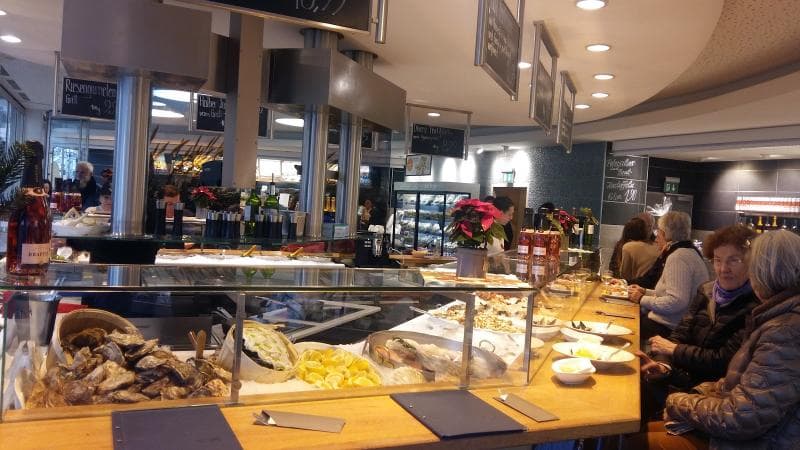
Discover the vibrant Flower Stalls at Munich's historic Viktualienmarkt, Germany. Explore a kaleidoscope of fresh blooms and immerse yourself in Bavarian charm.
Overview
Deep in the heart of Munich, Germany, the historic Viktualienmarkt thrives as a bustling open-air market, a feast for the senses since its establishment in 1807. Among its diverse offerings, the Flower Stalls stand out as particularly enchanting, painting the market with vibrant hues and delicate fragrances. These dedicated stalls contribute significantly to the market's lively atmosphere, providing a wide array of seasonal and exotic flowers, plants, and herbs that captivate both locals and curious travelers alike. The Viktualienmarkt, spanning 22,000 square meters and housing around 140 shops and stalls, has evolved from a simple farmers' market into a beloved gourmet and cultural hub, with its flower vendors playing a key role in its enduring charm.
History & Cultural Background
The origins of the Viktualienmarkt date back to the early 19th century when Munich's central market at Marienplatz became too small for the growing city's needs. In 1807, King Maximilian I decreed its relocation to its present site, leading to the demolition of charitable buildings to make way for the new 'Marktplatz'. It was later that the market acquired its distinctive name, 'Viktualienmarkt', derived from 'Viktualien', an old German term for food, which itself stems from the Latin word 'victus' meaning 'food'. Over the decades, the market expanded considerably, with specialized sections, including pavilions for flower vendors, being added to accommodate the increasing variety of goods. The market suffered significant damage during World War II but was lovingly revitalized by the city administration and its citizens, transforming it into the vibrant cultural landmark it is today.
What Makes It Special
The Flower Stalls are a highlight within the Viktualienmarkt, contributing a unique visual and aromatic appeal. They are renowned for their fresh, high-quality blooms, often noted by visitors for their exceptional longevity. Walking through this section, one encounters a dazzling kaleidoscope of colors and scents, ranging from classic local varietals to more exotic flora. This vibrant display of nature's beauty offers a striking contrast to the culinary delights found elsewhere in the market, creating a harmonious blend that engages all the senses. The presence of these flower stalls underscores the market's role as a comprehensive hub, offering not just sustenance but also aesthetic pleasure and cultural connection, embodying Munich's unique blend of tradition and lively urban spirit.
Stories, Fun Facts & Local Details
Beyond their visual appeal, the Flower Stalls at Viktualienmarkt hold a special place in the market's operational rhythm. While most market stalls generally adhere to opening hours from Monday to Saturday, florists often enjoy special allowances, sometimes even opening on Sundays. This flexibility highlights the cultural importance placed on flowers, whether for celebrations, gifts, or simply brightening a home. The market itself is more than just a place of commerce; it's a cherished social meeting point where generations of Munich residents and visitors mingle. The flower vendors, with their expertly arranged bouquets and friendly advice, are an integral part of this community, their colorful displays adding to the 'colorful hustle and bustle' that defines the market's enduring charm.
Visitor Perspective
For travelers exploring the Viktualienmarkt, the Flower Stalls offer a delightful experience, whether one is looking to purchase a beautiful bouquet or simply to admire the artistry of the arrangements. To fully appreciate the market's offerings, including the freshest floral selections, it is generally recommended to visit between Tuesday and Saturday, as some stalls may be closed on Mondays. While the market is officially open Monday through Saturday from approximately 8 a.m. to 8 p.m., individual vendors, including florists, often set their own hours, sometimes closing earlier, particularly during the winter months. Arriving in the morning can offer a quieter experience, allowing for more leisurely browsing and personalized interactions with the dedicated flower sellers, truly immersing one in the authentic local flair of this iconic Munich destination.
Coordinates: 11.57618, 48.1355
View on Google Maps💬 How Travelers Describe This Place
Based on community votes
Photogenic
457Interesting
252Beautiful
147Must See
114Unique
19
Traveler Stories
Discover memorable experiences shared by travelers who have visited this place.
No traveler stories yet.
Be the first traveler to share what made this place memorable.

Tour
By
Spot
Discover amazing places around the world. Your journey starts here.
Explore
© 2026 TourBySpot. All rights reserved.