Seasonal Events
Munich, Germany
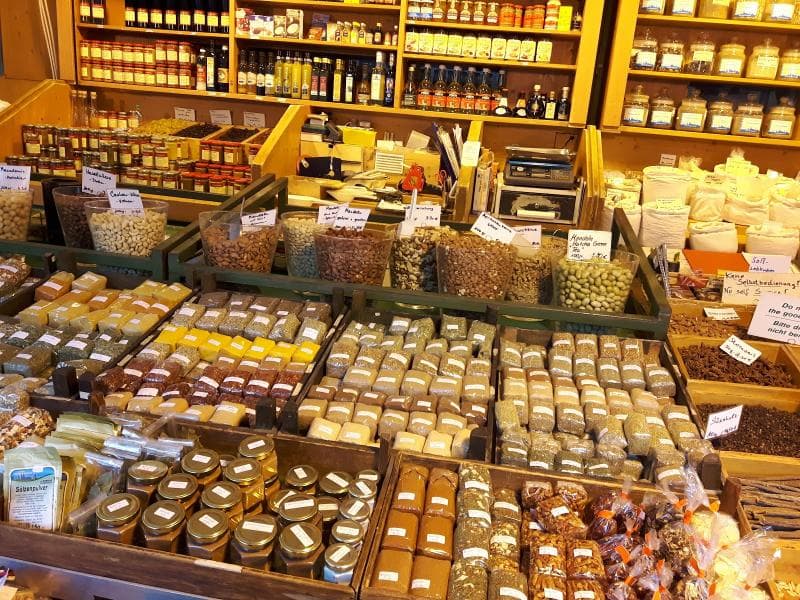
Discover the vibrant seasonal events at Viktualienmarkt in Munich, Germany. Experience traditional Bavarian celebrations, cultural performances, and festive charm.
Overview
At the bustling heart of Munich, Germany, the Viktualienmarkt is more than just a daily food market; it is a vibrant stage for seasonal events that weave tradition, community, and celebration into the fabric of Bavarian life. Throughout the year, this historical market transforms, offering visitors a unique glimpse into Munich's cultural calendar. From lively carnival festivities to traditional spring celebrations, summertime revelry, and festive winter magic, the Viktualienmarkt provides a continuous flow of authentic local experiences. These seasonal gatherings imbue the market with a special charm, drawing both residents and curious travelers into their fold, far beyond its everyday offerings of fresh produce and gourmet delights.
History & Cultural Background
The Viktualienmarkt's roots stretch back to the early 19th century, when King Max I Joseph decreed the relocation of a portion of Munich's central market from Marienplatz in 1807. Originally simply known as Marktplatz, or market square, it evolved significantly over time. Its current name, 'Viktualienmarkt', derives from the Late Latin word 'victualia', meaning food or provisions, a term that became popular in the 19th century. By 1890, the market had expanded to its present size, becoming a permanent fixture in the city. This rich history laid the foundation for a market that not only serves as a culinary hub but also as a cherished cultural landmark where traditions are preserved and celebrated. A prominent symbol of Bavarian identity within the market is the Maypole (Maibaum), first erected in 1962 at the suggestion of then-Mayor Albert Bayerle. Its colorful figures depict various aspects of Munich life, including brewery teams, Oktoberfest scenes, the Schäffler dance, and market stall women, connecting the market deeply to local lore and craftsmanship.
What Makes It Special
What sets the Viktualienmarkt's seasonal events apart is their profound connection to Bavarian tradition and community spirit. They are not merely commercial ventures but genuine expressions of local heritage. The 'Dance of the Market Women' (Tanz der Marktfrauen) during Carnival (Fasching) on Shrove Tuesday is a prime example. This annual spectacle sees the market's women vendors, adorned in elaborate costumes often reflecting their wares, perform lively, rehearsed dances. This tradition, evolving from humble beginnings in the early 20th century, has grown into a major highlight of Munich's Carnival season, attracting thousands of spectators. Similarly, the Fountain Festival (Brunnenfest), held on the first Friday in August, transforms the market square into an outdoor stage. The market's six figural fountains, dedicated to beloved Munich personalities like Karl Valentin and Liesl Karlstadt, are beautifully decorated with flowers, and the air fills with traditional music, cabaret, and folk performances. This event honors the city's folk art and its famous 'originals', celebrating the characters who shaped Munich's cultural identity. These events underscore the Viktualienmarkt's role as a living museum of Munich's customs and community.
Stories, Fun Facts & Local Details
The Maypole at Viktualienmarkt tells a story in itself. Its painted figures are not just decorative; they are symbolic representations of Munich's guilds and daily life, including the brewery team, scenes from Oktoberfest, and the Schäffler dance. This tradition of the Maypole is so central to Bavarian identity that when the first one was erected, Mayor Bayerle famously remarked, 'If we are already a village, then we also need a maypole.' These poles are traditionally donated by the Munich breweries and are ceremoniously replaced every few years. The 'Dance of the Market Women' is steeped in local charm; historically, the women would dance in front of their stalls at the close of Carnival, and today, their costumes often cleverly represent the goods they sell – a cheesemonger might have cheese adorned on her dress, or a baker, pretzels. Rehearsals for this elaborate performance often begin months in advance, showcasing the dedication of these market stalwarts. During the festive 'Winter Magic' period leading up to Christmas, the market twinkles with lights, and visitors can enjoy seasonal delicacies like mulled wine, even as the market stalls maintain their regular offerings.
Visitor Perspective
Experiencing the seasonal events at Viktualienmarkt offers a deeply immersive journey into Munich's soul. For the curious traveler, it means witnessing age-old traditions come alive in a vibrant, authentic setting. During Carnival, arriving early on Shrove Tuesday is advisable to secure a good spot for the 'Dance of the Market Women', as thousands gather to enjoy the spectacle and the festive atmosphere, often with musical entertainment extending throughout the market. In summer, the Fountain Festival provides a relaxed opportunity to enjoy free music and performances while exploring the market's culinary offerings. The Christmas season transforms the market into a cozy, illuminated wonderland, perfect for a warming glass of glühwein and soaking in the festive mood. Beyond specific events, the market's central beer garden, serving beers from Munich's six major breweries on a rotating basis, offers a constant opportunity to savor local flavors year-round, often accompanied by live music. Visiting during these special times allows for a richer understanding of Munich's convivial culture, where food, tradition, and community intertwine beautifully.
Coordinates: 11.57618, 48.1355
View on Google Maps💬 How Travelers Describe This Place
Based on community votes
Unique
989Beautiful
613Photogenic
603Interesting
581Must See
207
Traveler Stories
Discover memorable experiences shared by travelers who have visited this place.
No traveler stories yet.
Be the first traveler to share what made this place memorable.

Tour
By
Spot
Discover amazing places around the world. Your journey starts here.
Explore
© 2026 TourBySpot. All rights reserved.