Vieux Lyon
Lyon, France
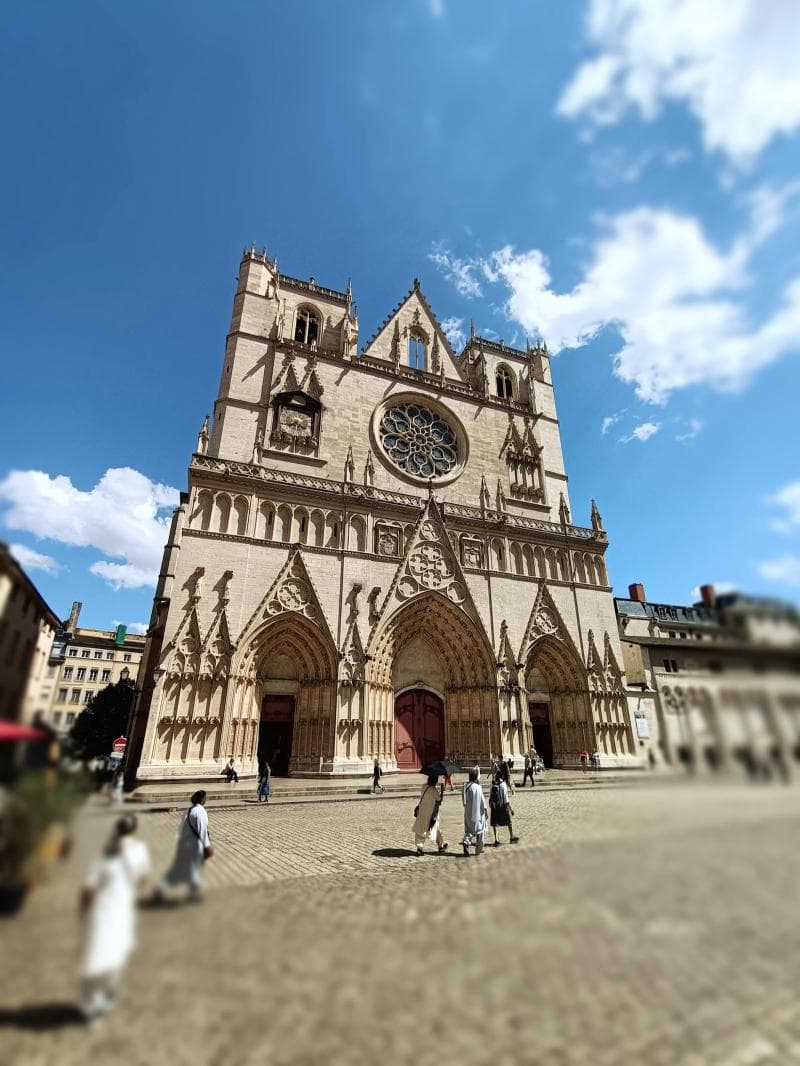
Discover Vieux Lyon, France, a UNESCO World Heritage site and Europe's largest Renaissance district, renowned for its 'traboules' and historic charm.
Overview
Vieux Lyon, or 'Old Lyon', stands as a remarkably preserved district nestled between the Fourvière hill and the Saône river in Lyon, France. Recognized as a UNESCO World Heritage site since 1998, it is celebrated as one of Europe's largest and most extensive Renaissance neighborhoods. This historic area spans 24 hectares and is composed of three distinct quarters: Saint-Jean, Saint-Paul, and Saint-Georges, each retaining unique architectural charm and a rich past. Its exceptional preservation was solidified in 1964 when it became the first site in France to be protected under the Malraux law, safeguarding its cultural heritage.
History & Cultural Background
The origins of Lyon, as Lugdunum, began on the Fourvière hill in 43 BC. However, by the High Middle Ages, the city's activity had shifted to the banks of the Saône, giving rise to what is now Vieux Lyon. Over centuries, this area evolved into the spiritual and economic heart of the city. The district experienced its 'golden age' during the Renaissance, particularly in the 15th and 16th centuries, thriving as a major European commercial center. International trade fairs drew Italian, Flemish, Swiss, and German merchants and bankers, who established their opulent residences here, leaving a lasting architectural legacy. The flourishing silk industry also played a pivotal role in shaping Vieux Lyon's urban landscape and its distinctive hidden passageways.
What Makes It Special
What truly sets Vieux Lyon apart is its extraordinary preservation of Renaissance architecture. Visitors can wander through narrow, cobblestone streets lined with colorful facades, revealing intricate inner courtyards and elegant spiral staircases. The district's most iconic feature is its network of 'traboules' – secret covered passageways that cut through buildings and their courtyards, connecting one street directly with another. These unique shortcuts offer a glimpse into the ingenuity of past inhabitants. At the heart of Saint-Jean quarter stands the Cathédrale Saint-Jean-Baptiste, a Gothic masterpiece constructed between the 12th and 15th centuries, showcasing a fascinating blend of Romanesque and Gothic styles. Another highlight is the Musée Gadagne, housed within a magnificent Renaissance mansion, which comprises both the Lyon History Museum and the International Puppet Museum, offering deep dives into the city's past and cultural traditions.
Stories, Fun Facts & Local Details
The 'traboules' are more than just architectural curiosities; their name derives from the Latin 'trans-ambulare', meaning 'to pass through'. They were initially essential for Lyon's silk weavers, known as 'canuts', who used them to transport their delicate fabrics quickly and protect them from rain. During World War II, these hidden passages served a crucial role for the French Resistance. Today, while approximately 500 'traboules' exist across Lyon, about 80 are publicly accessible, inviting exploration. Inside the Cathédrale Saint-Jean-Baptiste, a 14th-century astronomical clock mesmerizes visitors with its intricate mechanisms and automatons that perform at specific hours. Beyond its historical depth, Vieux Lyon is a culinary delight, famous for its traditional Lyonnaise restaurants known as 'bouchons', offering authentic local gastronomy. The main pedestrian artery, Rue Saint-Jean, bustles with activity, reflecting centuries of vibrant street life. The district also maintains a strong connection to local folklore, particularly through 'Guignol', the traditional Lyonnaise puppet, embodying the city's unique spirit.
Visitor Perspective
Exploring Vieux Lyon is an immersive journey best undertaken on foot. The narrow, winding streets encourage leisurely strolls, revealing hidden treasures around every corner. Visitors are encouraged to respectfully navigate the 'traboules', remembering that many pass through residential buildings. For a broader perspective, a funicular ride up to Fourvière hill provides breathtaking panoramic views of the entire city, alongside access to the iconic Basilica of Fourvière and ancient Roman ruins. The district's timeless charm and continuity of history create an enchanting atmosphere, making every step a discovery.
Coordinates: 4.8235, 45.7578
View on Google Maps💬 How Travelers Describe This Place
Based on community votes
Beautiful
685Interesting
472Must See
446Unique
399Photogenic
92
Traveler Stories
Discover memorable experiences shared by travelers who have visited this place.
No traveler stories yet.
Be the first traveler to share what made this place memorable.
Things to see at Vieux Lyon



Tour
By
Spot
Discover amazing places around the world. Your journey starts here.
Explore
© 2026 TourBySpot. All rights reserved.