Traboules Passageways
Lyon, France
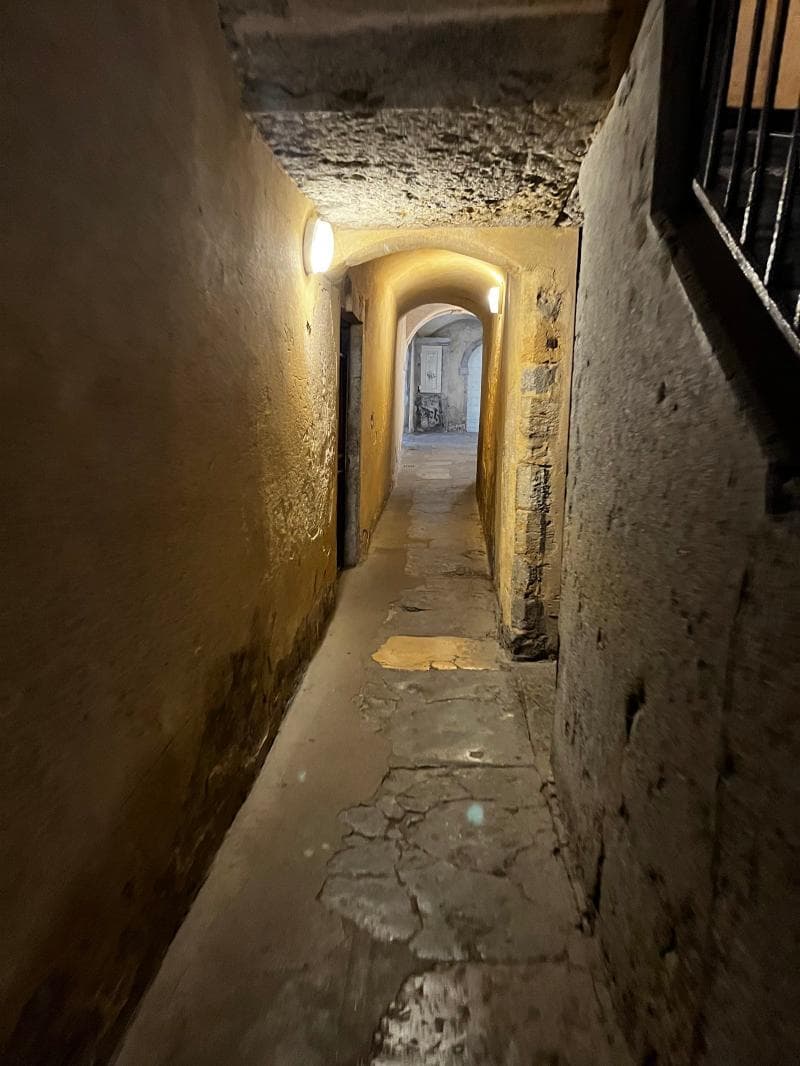
Explore Lyon's secret Traboules Passageways in Vieux Lyon, France. Discover hidden courtyards, rich history, and unique architecture.
Overview
The Traboules Passageways, nestled within the historic district of Vieux Lyon in Lyon, France, are a unique and enchanting feature of the city's urban landscape. These secret, covered corridors and courtyards cut through private buildings, connecting one street to another in a labyrinthine network. The word 'traboule' itself is a local Lyonnais term, derived from the Latin 'trans ambulare', meaning 'to pass through'. They are far more than mere shortcuts; they are an integral part of Lyon's identity, offering a fascinating glimpse into centuries of history and local life. While Lyon is home to an estimated 400 to 500 traboules, only about 40 to 80 are publicly accessible, primarily concentrated in Vieux Lyon and the Croix-Rousse district.
History & Cultural Background
The origins of Lyon's traboules date back as early as the 4th century. When the Roman aqueducts began to fail, the inhabitants of ancient Lugdunum (Lyon) moved to the banks of the Saône River, creating a need for quick access to fresh water. The first traboules served this essential purpose. However, it was during the Renaissance, in the 15th and 16th centuries, that the traboules truly flourished in Vieux Lyon. Lyon became a thriving center for the silk trade, and the 'Canuts', or silk workers, utilized these covered passages to transport their delicate and valuable fabrics between workshops and markets, protecting them from both inclement weather and potential theft.
Beyond their commercial utility, the traboules played a significant role in pivotal historical events. During the 19th-century Canut Revolts, where silk workers fought for better wages and working conditions, these hidden passages allowed them to move discreetly and coordinate their resistance. Centuries later, during World War II, the French Resistance used the traboules to their advantage, navigating the city undetected, evading Nazi forces, and secretly transporting messages and weapons. These passageways became vital arteries for survival and communication during periods of profound upheaval.
What Makes It Special
What truly sets the Traboules Passageways apart is their ability to transform an ordinary stroll into an extraordinary adventure. Stepping through an unassuming doorway from a busy street, visitors are suddenly transported into a hidden world of quiet courtyards, spiral staircases, and vaulted ceilings. Each traboule offers its own distinct architectural character, ranging from intricate Renaissance arches to detailed carvings. They embody a feeling of discovery, a 'secret shortcut' that rewards the curious traveler with unexpected beauty and a sense of stepping back in time. The traboules, along with the wider Vieux Lyon district, are recognized as a UNESCO World Heritage Site, underscoring their exceptional historical and architectural value. They stand as a testament to the ingenuity and resilience of Lyon's inhabitants, weaving together daily life with profound historical narratives.
Stories, Fun Facts & Local Details
The Traboules are rich with local lore and intriguing details. For instance, the phrase 'true Lyonnais' often implies a person knowledgeable about these secret passages. Among the most famous is 'La Longue Traboule', connecting 54 Rue Saint-Jean to 27 Rue du Bœuf in Vieux Lyon. This impressive passage traverses five courtyards and tunnels beneath four buildings, easily identified by a distinctive green door. Another highlight is the Traboule de la Tour Rose, located at 22 Rue du Bœuf, renowned for its picturesque rose-tinted watchtower and elegant spiral staircase, evoking a fairytale atmosphere. You might also encounter 'miraboules', a term coined by local historian Félix Benoît in the 1960s to describe the many beautiful inner courtyards that, unlike traboules, do not necessarily lead to another street but are cherished for their aesthetic appeal. These subtle nuances contribute to the charm and mystique of exploring Lyon's hidden world.
Visitor Perspective
Exploring the Traboules Passageways is a truly immersive way to experience Vieux Lyon. While many traboules are publicly accessible, it's crucial to remember that most pass through active residential buildings. Visitors are encouraged to maintain quiet and respect the privacy of residents, as these are people's homes. Publicly accessible traboules are often marked by small bronze plaques, sometimes shield-shaped, in Vieux Lyon, or lion-head plaques in Croix-Rousse, signalling their open status. The Lyon Tourist Office provides maps that highlight these open passages, making self-guided exploration easier.
For those who prefer a deeper dive, guided tours are readily available. These tours often offer access to otherwise private traboules and provide invaluable historical context and anecdotes from expert guides. When planning your visit, wear comfortable walking shoes, as you'll be navigating cobblestone streets and numerous staircases. While family-friendly, it's worth noting that the traboules are generally not wheelchair accessible. The thrill often comes from pushing an unassuming door and discovering the hidden world behind it; don't be afraid to try some doors, but always be respectful of the residents. The Traboules offer a unique, engaging, and historically rich journey through the heart of Lyon.
Coordinates: 4.8235, 45.7578
View on Google Maps💬 How Travelers Describe This Place
Based on community votes
Photogenic
869Beautiful
445Unique
416Must See
141Interesting
33
Traveler Stories
Discover memorable experiences shared by travelers who have visited this place.
No traveler stories yet.
Be the first traveler to share what made this place memorable.

Tour
By
Spot
Discover amazing places around the world. Your journey starts here.
Explore
© 2026 TourBySpot. All rights reserved.