Victory Park
Dushanbe, Tajikistan
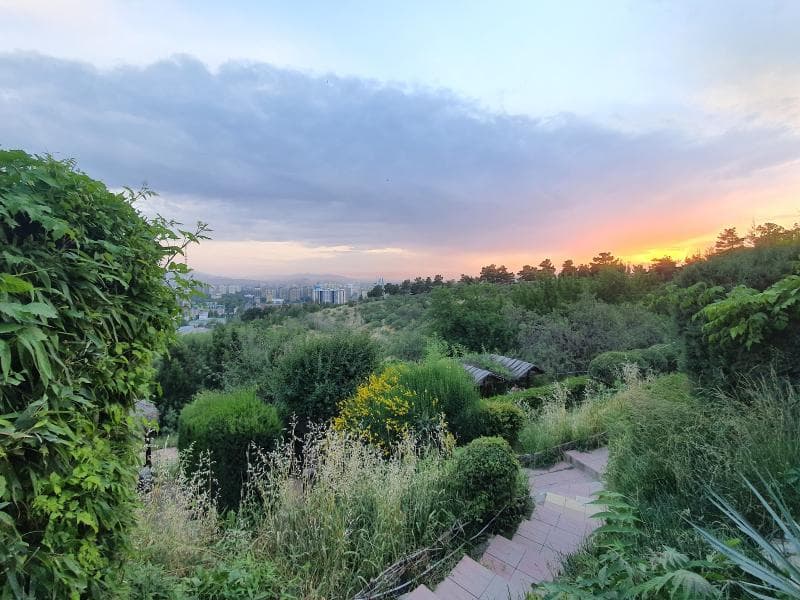
Explore Victory Park in Dushanbe, Tajikistan, a poignant hillside memorial offering panoramic city views and a serene escape. Discover its WWII history and cultural significance.
Overview
Perched majestically on a hillside overlooking Tajikistan's capital, Dushanbe, Victory Park (also known as Pobedy Park) stands as a profound memorial and a beloved green oasis. This expansive park beautifully combines its solemn historical purpose with its role as a vibrant recreational hub for both locals and visitors. It offers tranquil pathways, shaded resting spots, and, most notably, breathtaking panoramic views of the city sprawling below. Beyond its aesthetic appeal, Victory Park is a place of deep national significance, commemorating a pivotal moment in history and honoring the sacrifices made.
History & Cultural Background
Victory Park's origins trace back to the Soviet era, with its architectural and sculptural memorial complex completed in 1975. However, the park was officially opened in 1985, coinciding with the 40th anniversary of the victory in the Great Patriotic War, a term referring to World War II. The design was a collaborative effort by architects B.A. Zuhurdinov, A.M. Sherbinin (also cited as V. Shcherdinin), and sculptor D.B. Ryabichev. The park serves as a poignant reminder of the immense contribution and sacrifice of the Tajik people during the war; over 300,000 people from Tajikistan fought, and more than 60,000 never returned. The long stairway within the park, known as the 'field of grief,' is specifically designed to evoke reflection on these losses. This site plays a crucial role in the military and patriotic education of the youth, and military parades are held here annually on May 9th, Victory Day.
What Makes It Special
What truly sets Victory Park apart is its powerful blend of memorial grandeur and natural beauty. At its heart lies a solemn memorial complex featuring an eternal flame, a high-relief 'Mother' sculpture, and the revered Alley of Heroes. Along this alley, granite slabs bear the names of Tajik soldiers who were awarded the prestigious title of Hero of the Soviet Union. A tiled wall at the summit famously displays the poignant message, 'No one is forgotten, and nothing is forgotten,' written in both Russian and Tajik, encapsulating the park's core purpose. The elevated position of the park provides unparalleled vistas, allowing visitors to gaze upon Dushanbe's urban landscape, a view that is particularly spectacular during sunset. The park also features remnants of its Soviet past, including a defunct cable car station, which has been repurposed into a popular cafe or restaurant, offering refreshments with a view.
Stories, Fun Facts & Local Details
Interestingly, the original plans for Victory Park in the 1970s were even more ambitious, envisioning a much larger 'Motherland' monument and a series of cascading pools up the slope, which ultimately remained unrealized. This glimpse into its design evolution adds another layer to its history. The park is not just a historical site; it's deeply integrated into the daily life of Dushanbe residents. It becomes a focal point for national celebrations like Victory Day on May 9th, when flowers are laid at the monuments, and during Navruz, the Persian New Year. Beyond holidays, locals frequent the park for leisurely strolls, enjoying the shade provided by numerous trees, and gathering at the chaikhanas (teahouses) for socializing and relaxation. The 'field of grief' stairway, a significant design element, offers a contemplative journey upwards, designed to allow visitors to reflect on the immense sacrifices made.
Visitor Perspective
For the curious traveler, Victory Park offers an experience that is both reflective and invigorating. The journey to the summit, whether by climbing the monumental steps or taking a taxi via the winding road, is rewarded with a sense of peace and expansive beauty. Visitors can expect well-maintained pathways perfect for a quiet stroll and ample benches for resting and soaking in the atmosphere. The tranquil environment provides a welcome respite from the city's bustle, making it an ideal spot for contemplation or simply enjoying nature. Many recommend visiting in the evening, especially at sunset, to witness the city lights begin to twinkle, transforming the panoramic views into a truly magical sight. Exploring the Alley of Heroes and reading the inscriptions offers a profound connection to Tajikistan's past, while the presence of local families and friends enjoying the park provides a glimpse into contemporary Dushanbe life.
Coordinates: 68.785357, 38.562592
View on Google Maps💬 How Travelers Describe This Place
Based on community votes
Must See
853Unique
639Interesting
569Photogenic
128Beautiful
93
Traveler Stories
Discover memorable experiences shared by travelers who have visited this place.
No traveler stories yet.
Be the first traveler to share what made this place memorable.
Things to see at Victory Park



Tour
By
Spot
Discover amazing places around the world. Your journey starts here.
Explore
© 2026 TourBySpot. All rights reserved.