Stairway Trails
Dushanbe, Tajikistan
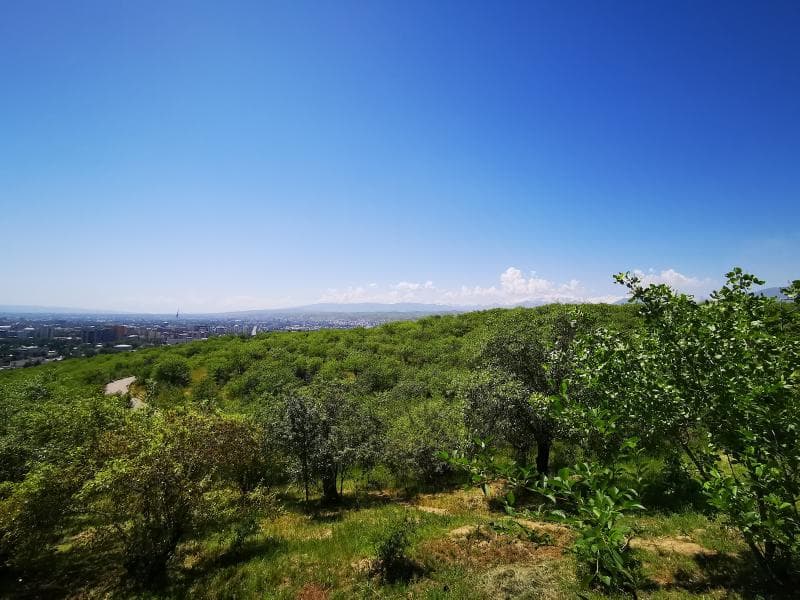
Explore the solemn Stairway Trails, also known as the Alley of Heroes, within Victory Park in Dushanbe, Tajikistan. Discover its WWII memorial, panoramic city views, and cultural significance.
Overview
Nestled within the scenic Victory Park in Dushanbe, Tajikistan, the 'Stairway Trails' are more formally known as the Alley of Heroes. This solemn and deeply significant pathway forms the central commemorative element of a larger memorial complex dedicated to the Tajik soldiers who served and sacrificed during the Great Patriotic War (World War II). Perched on the mountainous edge of the city, the stairway offers not only a journey through history and remembrance but also provides breathtaking panoramic views of Dushanbe below. It serves as a tranquil yet powerful reminder of the nation's past, drawing visitors into a moment of reflection amidst serene natural surroundings. The entire park complex, including the stairway, is a testament to the enduring memory of those who fought, blending historical reverence with the peaceful ambiance of a green urban oasis.
History & Cultural Background
Victory Park itself was inaugurated in 1985, coinciding with the 40th anniversary of the victory in the Great Patriotic War. However, the architectural and sculptural memorial complex, which prominently features the Alley of Heroes, was completed earlier, in 1975. The creation of this park and its central stairway was a significant endeavor to honor the immense contribution and sacrifice of the Tajik people during World War II. Over 300,000 Tajiks fought in the war, with more than 60,000 never returning home. The memorial was designed to ensure that 'No one is forgotten, and nothing is forgotten,' a poignant inscription found on a tiled wall at the summit of the stairway. An initial plan for the park from the 1970s was more ambitious, envisioning a larger 'Motherland' monument and cascading pools, though these elements remained unrealized.
What Makes It Special
The Stairway Trails, or Alley of Heroes, is uniquely designed as a 'field of grief.' This architectural concept evokes the profound sorrow and loss experienced during the war. As visitors ascend the steps, they are surrounded by the stories of courage, with pictures and names of Tajik soldiers who were awarded the prestigious title 'Hero of the Soviet Union' displayed along the path. At the base of the stairway, a polished granite slab further commemorates these heroes. The summit culminates in a central area featuring an eternal flame, symbolizing undying remembrance, and a bas-relief sculpture depicting a mother figure, representing the collective grief and resilience. Beyond its memorial significance, the elevated position of the stairway and park offers some of the most spectacular views over Dushanbe, allowing visitors to appreciate the city's expanse against a mountainous backdrop.
Stories, Fun Facts & Local Details
The Alley of Heroes is more than just a historical monument; it is a living space where local culture and remembrance intertwine. On significant dates, particularly May 9th, Victory Day, the park becomes a focal point for national commemorations, with flowers laid at the monuments. During Navruz, the Persian New Year, the park is also a place where flowers are traditionally laid. While deeply solemn, the park is also a beloved recreational area for Dushanbe's residents. In warmer months, families and young couples seek the shade of its many trees, and it's a popular spot for evening strolls and enjoying sunsets over the city. The former cable car station, dating from the Soviet period, now houses a restaurant, offering another dimension to the visitor experience. These local details highlight how the park, and its central stairway, are integrated into the daily lives and cultural rhythms of Dushanbe.
Visitor Perspective
For those contemplating a visit, the Stairway Trails offer a memorable experience. The ascent to the memorial complex can be a bit of an uphill walk, but the well-maintained pathways ensure a comfortable journey. Many visitors describe the walk as reflective, particularly when taking in the names and images of the heroes. Upon reaching the top, the reward is not just the memorial itself but also the expansive, unobstructed views of Dushanbe. While accessible year-round, the park offers its best city vistas during winter and spring when tree foliage is less dense. It's advisable to wear comfortable walking shoes. The park provides an ideal setting for those seeking a peaceful break from the city, combining historical immersion with natural beauty and opportunities for quiet contemplation.
Coordinates: 68.81407, 38.5816
View on Google Maps💬 How Travelers Describe This Place
Based on community votes
Interesting
915Must See
211Unique
123Beautiful
74Photogenic
53
Traveler Stories
Discover memorable experiences shared by travelers who have visited this place.
No traveler stories yet.
Be the first traveler to share what made this place memorable.

Tour
By
Spot
Discover amazing places around the world. Your journey starts here.
Explore
© 2026 TourBySpot. All rights reserved.