Picnic Areas
Dushanbe, Tajikistan
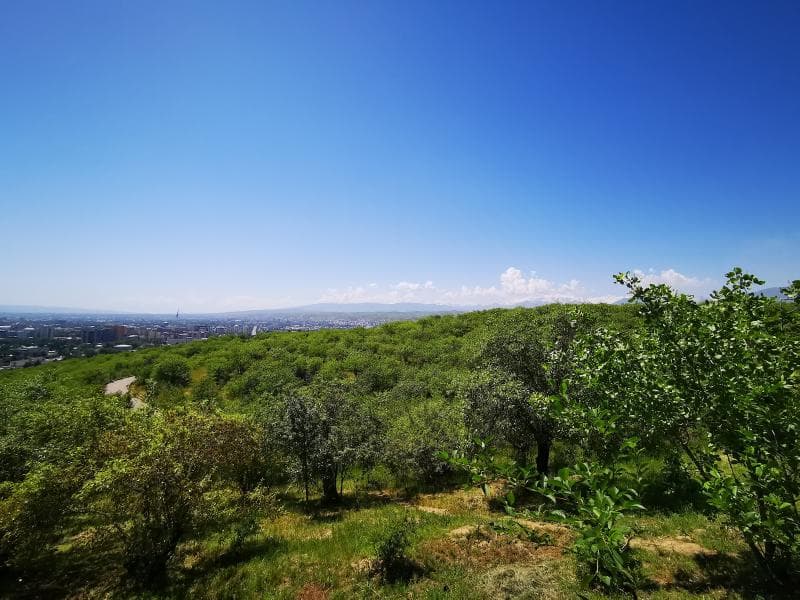
Discover the tranquil picnic areas within Victory Park, Dushanbe, Tajikistan. Enjoy stunning panoramic views, rich history, and lush greenery in this memorial park.
Overview
Perched majestically on a hill overlooking the vibrant capital city of Dushanbe, Tajikistan, Victory Park offers a serene escape and panoramic vistas that truly capture the essence of this Central Asian gem. More than just a green space, it serves as a dual-purpose destination: a solemn memorial honoring the sacrifices of the Great Patriotic War and a cherished recreational hub for locals and curious travelers alike. The park's picnic areas, nestled amidst lush greenery and shaded paths, provide an idyllic setting for relaxation, communal meals, and quiet contemplation away from the city's hustle and bustle.
Visitors often venture here specifically to enjoy a leisurely picnic, taking advantage of the refreshing air and spectacular views of Dushanbe stretching out below. Whether seeking a peaceful spot for a family outing or a romantic setting for an afternoon meal, the designated picnic areas within Victory Park stand out as a highlight, blending natural beauty with historical reverence.
History & Cultural Background
Victory Park's roots delve deep into the Soviet era, with its architectural and sculptural memorial complex initially constructed in 1975 and the park officially completed in 1985. This significant landmark was established to commemorate the 40th anniversary of victory in the Great Patriotic War (World War II), a conflict that saw over 300,000 people from Tajikistan participate, with more than 60,000 never returning home.
The park is a powerful testament to collective memory, featuring an eternal flame, an Alley of Heroes adorned with a high relief, and a poignant mother figure. A granite slab lists the names of Tajik soldiers awarded the title Hero of the Soviet Union, ensuring their valor is never forgotten. The long stairway leading up to the memorial is symbolically known as the 'field of grief', reflecting the immense losses endured. Culturally, the park holds immense importance, particularly on Victory Day (May 9th) and during Navruz, when people gather to lay flowers and participate in ceremonies, transforming the space into a vibrant expression of remembrance and national pride.
What Makes It Special
The unique charm of Victory Park's picnic areas lies in their exceptional blend of tranquil natural beauty and profound historical significance. Unlike typical urban parks, here you can enjoy a meal surrounded by mature trees that provide ample shade, while also being in the presence of powerful monuments that evoke a rich, if sometimes somber, history.
The elevated position of the park offers unparalleled panoramic views of Dushanbe and the distant mountains, providing a breathtaking backdrop to any outdoor gathering. These vistas are particularly captivating during sunset, creating a magical atmosphere. The well-maintained pathways and lush green lawns contribute to a serene environment, making it an ideal spot for quiet reflection after exploring the memorial, or simply for enjoying a peaceful afternoon with loved ones. The opportunity to relax in such a historically charged yet naturally beautiful setting is what truly sets these picnic spots apart.
Stories, Fun Facts & Local Details
Victory Park is more than just a landmark; it's a living part of Dushanbe's community fabric. Local families frequently visit, especially on weekends and holidays, turning the green spaces into lively hubs of activity. During the summer months, the shaded areas are particularly popular, offering respite from the heat.
Historically, there was once a cable car providing access to the hilltop, a remnant of the Soviet-era planning, though it's no longer operational. The former cable car station now hosts a terraced area that sometimes offers food and drinks, adding to the park's amenities. On specific holidays like Victory Day, the eternal flame, a central feature of the memorial, is lit, drawing crowds and adding to the solemnity and significance of the site. During Navruz, the park is beautifully decorated with thousands of flowers, further enhancing its appeal as a community gathering place.
Visitor Perspective
For visitors, the picnic areas at Victory Park offer a uniquely authentic Dushanbe experience. Imagine spreading a blanket on a grassy knoll, with a gentle breeze carrying the scent of pine, and the entire city sprawling beneath you. It is a place where one can connect with nature, history, and the local way of life all at once.
While the uphill walk to the park can be challenging, many find the journey worthwhile, or opt for a short taxi ride to the top. Once there, the peaceful ambiance invites visitors to linger, making it perfect for an extended picnic lunch or an evening meal as the city lights begin to twinkle. Whether you choose to bring your own spread or pick up snacks from nearby vendors, the experience of picnicking here is deeply rewarding. It offers a chance to observe the daily routines of Dushanbe residents, enjoying their city's green oasis, and provides a quiet moment to appreciate Tajikistan's rich history and stunning natural landscapes. Comfortable shoes are highly recommended for exploring the park's expansive grounds.
Coordinates: 68.81027, 38.578835
View on Google Maps💬 How Travelers Describe This Place
Based on community votes
Beautiful
873Interesting
477Unique
422Photogenic
157Must See
53
Traveler Stories
Discover memorable experiences shared by travelers who have visited this place.
No traveler stories yet.
Be the first traveler to share what made this place memorable.

Tour
By
Spot
Discover amazing places around the world. Your journey starts here.
Explore
© 2026 TourBySpot. All rights reserved.