Triple Bridge
Ljubljana, Slovenia
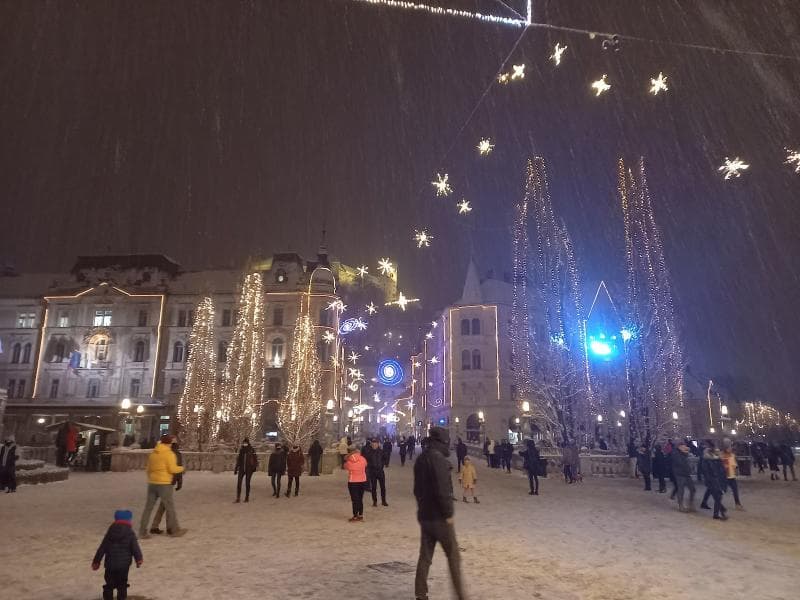
Discover the iconic Triple Bridge (Tromostovje) in Ljubljana, Slovenia, an architectural masterpiece connecting old and new cityscapes. Explore its rich history and unique design.
Overview
The Triple Bridge, known locally as Tromostovje, stands as a distinctive architectural marvel and a vibrant heart of Ljubljana, Slovenia. This unique ensemble comprises three bridges gracefully spanning the Ljubljanica River, serving as a pivotal connection between the city's historic medieval old town and its lively modern center. Far more than a mere crossing, it is a testament to ingenious urban design and a central gathering place, inviting locals and travelers alike to soak in the city's charm. Its cultural and historical significance was formally recognized in 2021 when it was inscribed as a UNESCO World Heritage Site, highlighting its importance as part of architect Jože Plečnik's enduring legacy in Ljubljana.
History & Cultural Background
The story of the Triple Bridge begins centuries ago, with the earliest mention of a wooden bridge at this strategic location dating back to 1280. This 'Old Bridge', or 'Lower Bridge', was a crucial artery for trade routes, linking northwestern Europe with the Balkans and facilitating Ljubljana's early growth. After several reconstructions, including one following a fire in 1657, a new stone bridge replaced the wooden structure in 1842. Designed by the Italian architect Giovanni Picco, this two-arched stone bridge was named Franz's Bridge (Frančev most) in honor of Archduke Franz Karl of Austria. A Latin inscription, 'ARCHIDVCI. FRANCISCO. CAROLO. MDCCCXLII. CIVITAS.', meaning 'To Archduke Franz Karl in 1842 by the Town,' immortalizes this moment on its central pier.
By the early 20th century, increasing traffic necessitated expansion. The renowned Slovenian architect Jože Plečnik was tasked with this challenge in the early 1930s. Instead of demolishing the existing structure, Plečnik conceived an ingenious solution: adding two pedestrian bridges on either side of the original stone bridge. These additional bridges, completed between 1929 and 1932, transformed a functional crossing into a unique architectural ensemble. Plečnik's redesign extended beyond the bridges themselves, encompassing the surrounding area with elegant balustrades, decorative lamps, and staircases leading to lower river terraces adorned with poplar trees.
What Makes It Special
The Triple Bridge is distinguished by its innovative design, which seamlessly integrates functionality with aesthetic beauty. Plečnik's vision was not merely to expand capacity but to create a harmonious urban space. The two newly added pedestrian bridges angle slightly outwards from the central bridge, creating a funnel-like shape that directs the flow of people from Prešeren Square towards the medieval town. This thoughtful arrangement united both banks of the Ljubljanica River, making Prešeren Square a central focal point of the city.
Plečnik carefully selected materials to ensure both durability and visual appeal. Glinica limestone and concrete were used for the balustrades and pedestrian bridges, with granite paving adding a touch of elegance. The original metal railings of the 1842 bridge were replaced with massive stone balustrades, featuring 642 balusters and lamps that add to the bridge's distinctive character. Furthermore, the inclusion of staircases leading down to riverside terraces with planted poplar trees exemplifies Plečnik's desire to blend the urban structure with nature and foster interaction with the river. This integration of architectural elements transformed the bridge from a simple crossing into an iconic landmark and a masterpiece of urban design.
Stories, Fun Facts & Local Details
Beyond its striking appearance, the Triple Bridge is steeped in local flavor and stories. The Latin inscription on the central bridge serves as a direct link to its 19th-century origins, honoring Archduke Franz Karl and reminding visitors of the city's historical connections. The bridge is a prime example of Jože Plečnik's broader efforts to redesign and modernize Ljubljana, where he left an indelible mark on numerous other structures, including the Central Market and Cobblers' Bridge.
Today, the Triple Bridge is a bustling hub of activity, a vibrant social space where the city's pulse is keenly felt. It's common to find street performers, artists, and vendors adding to the lively atmosphere, turning a simple walk into an engaging cultural experience. The bridge's location at the heart of the pedestrian zone means it is always buzzing with life, attracting both locals going about their day and curious travelers exploring the city. This constant movement and interaction embody Ljubljana's seamless blending of tradition and progress, connecting eras and people in a unique urban tapestry.
Visitor Perspective
Walking across the Triple Bridge offers a truly immersive experience in Ljubljana's captivating atmosphere. As you traverse the three spans, you're treated to stunning panoramic views of the charming cityscape, the gentle flow of the Ljubljanica River, and the picturesque buildings lining its banks. The bridge connects directly to Prešeren Square, a vibrant public space often hosting cultural events and festivals, and the iconic pink Franciscan Church of the Annunciation.
Its pedestrian-only status since 2007 makes it a safe and enjoyable environment for visitors of all ages, including those with wheelchairs or strollers. From the bridge, you can easily access other major attractions, such as the Ljubljana Castle via a funicular ride from nearby Krek Square, or explore the charming streets of the medieval Old Town. The staircases leading down to the riverside terraces provide opportunities to interact more closely with the river, perhaps enjoying a coffee at one of the many cafes or embarking on a boat tour. The Triple Bridge is not just a landmark to admire; it's a dynamic vantage point from which to observe the rhythm of Ljubljana life and embark on further urban adventures.
Coordinates: 14.505894, 46.051532
View on Google Maps💬 How Travelers Describe This Place
Based on community votes
Beautiful
401Unique
324Must See
289Interesting
63Photogenic
18
Traveler Stories
Discover memorable experiences shared by travelers who have visited this place.
No traveler stories yet.
Be the first traveler to share what made this place memorable.
Things to see at Triple Bridge



Tour
By
Spot
Discover amazing places around the world. Your journey starts here.
Explore
© 2026 TourBySpot. All rights reserved.