Tivoli Park
Ljubljana, Slovenia
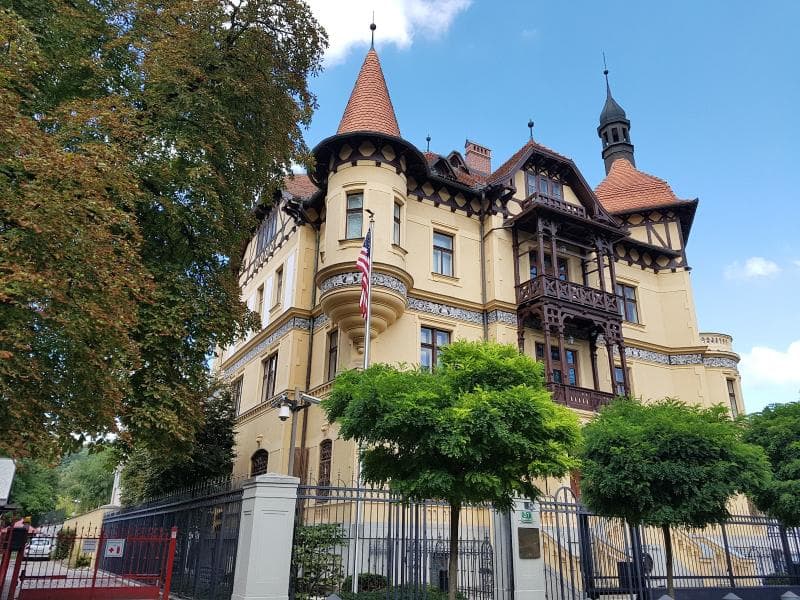
Discover Tivoli Park, Ljubljana, Slovenia's largest green oasis. Explore its rich history, cultural attractions like Tivoli Castle, and serene landscapes.
Overview
Tivoli Park, Ljubljana's largest and most iconic green expanse, invites visitors into a verdant sanctuary just a stone's throw from the city center. Spanning approximately five square kilometers, this expansive city park serves as a vital 'green lung' for the Slovenian capital, offering a refreshing escape from urban bustle. It seamlessly blends meticulously designed landscapes with significant cultural landmarks, providing a unique haven for both relaxation and exploration. Protected since 1984 as part of the Tivoli–Rožnik Hill–Šiška Hill Nature Park, Tivoli embodies Ljubljana's commitment to nature and sustainability, a dedication recognized when the city was named European Green Capital in 2016.
History & Cultural Background
The origins of Tivoli Park can be traced back to the 17th century when the Ljubljana nobility transformed former hunting grounds into public leisure areas. The park initially comprised the gardens of two aristocratic residences: Tivoli Castle and Cekin Mansion, both of which still stand within its boundaries today. However, it was during the French occupation in the early 19th century that Tivoli began to truly take shape as a public park. In 1813, French engineer Jean Blanchard drew up plans to connect these existing gardens, creating a romantic landscape inspired by English garden styles.
Over the decades, the park evolved, with significant contributions from Slovenia's renowned architect, Jože Plečnik. In the 1920s and 1930s, Plečnik redesigned Tivoli's central promenade, known today as the Jakopič Promenade, adorning it with his characteristic neo-classical lampposts and intending it as a grand connection to the city center. This blend of 17th-century aristocratic foundations, early 19th-century French design, and 20th-century Slovenian architectural vision gives Tivoli Park its distinctive character.
What Makes It Special
Tivoli Park is a multifaceted destination, celebrated for its natural splendor, rich cultural offerings, and diverse recreational opportunities. Its landscape features expansive lawns, winding paths, and avenues lined with magnificent chestnut trees. The park is home to a varied flora and fauna, including a beautiful rose garden established in the 1990s and renovated in 2007, showcasing over 160 types of roses, including Slovenia's first cultivar, the 'Prešeren' rose. Additionally, a tropical plant greenhouse, managed by the Ljubljana Botanical Garden, houses a fascinating collection of exotic species.
Culturally, Tivoli is a vibrant hub. Tivoli Castle, a 17th-century mansion, now hosts the International Centre of Graphic Arts (MGLC), organizing exhibitions and workshops and serving as a venue for the renowned Ljubljana International Biennial of Graphic Arts. Cekin Mansion, another elegant 18th-century structure, is home to the Museum of Contemporary Slovenian History. The Jakopič Promenade itself frequently transforms into an open-air art gallery, featuring impressive photography exhibitions.
For recreation, the park offers something for everyone. Well-maintained trails are perfect for walking, jogging, and cycling. During summer, visitors can enjoy sports facilities like tennis courts, mini-golf, and playgrounds, while in winter, an ice-skating rink adds to the fun. The picturesque Tivoli Pond, excavated in 1880, was historically used for boating and ice skating and remains a tranquil spot today.
Stories, Fun Facts & Local Details
One of the most curious features of Tivoli Castle is its staircase, flanked by four cast-iron dog statues. These 'dogs without tongues,' as they are affectionately known, were sculpted around 1870. A popular, though false, rumor suggests that the sculptor, Anton D. Fernkorn, committed suicide out of shame for forgetting to include tongues. In reality, the absence of tongues is a stylistic choice, and the statues were designed by Austrian sculptors in a Moravian foundry.
Tivoli Castle itself boasts a long history, built in the 17th century on the ruins of an earlier Renaissance castle and later renovated in a Neoclassical style by Marshal Joseph Radetzky in the mid-19th century. The park's name, 'Tivoli,' was adopted in the latter half of the 19th century, inspired by a summer residence and amusement park that once existed near the Podturn Manor. The park is not just a collection of sights; it is a living, breathing part of Ljubljana's community, frequently hosting open-air concerts and cultural festivals, especially during spring and summer, fostering a vibrant social atmosphere.
Visitor Perspective
For a curious traveler, Tivoli Park offers a layered experience of nature, history, and culture within a welcoming urban setting. It is a place where one can easily spend hours strolling along shaded paths, admiring diverse tree species, some dating back to the early 19th century, or simply relaxing by the pond. The park's accessibility from the city center, often a short walk, makes it a convenient retreat. While general entry to the park is free, some indoor attractions like the International Centre of Graphic Arts or the Museum of Contemporary Slovenian History may have admission fees. To best enjoy its tranquil ambiance, consider visiting in the early morning or late afternoon, especially on weekdays, and wear comfortable shoes to explore its extensive grounds.
Coordinates: 14.49667, 46.05389
View on Google Maps💬 How Travelers Describe This Place
Based on community votes
Must See
996Unique
673Photogenic
186Beautiful
143Interesting
80
Traveler Stories
Discover memorable experiences shared by travelers who have visited this place.
No traveler stories yet.
Be the first traveler to share what made this place memorable.
Things to see at Tivoli Park



Tour
By
Spot
Discover amazing places around the world. Your journey starts here.
Explore
© 2026 TourBySpot. All rights reserved.