Stara Varoš
Podgorica, Montenegro
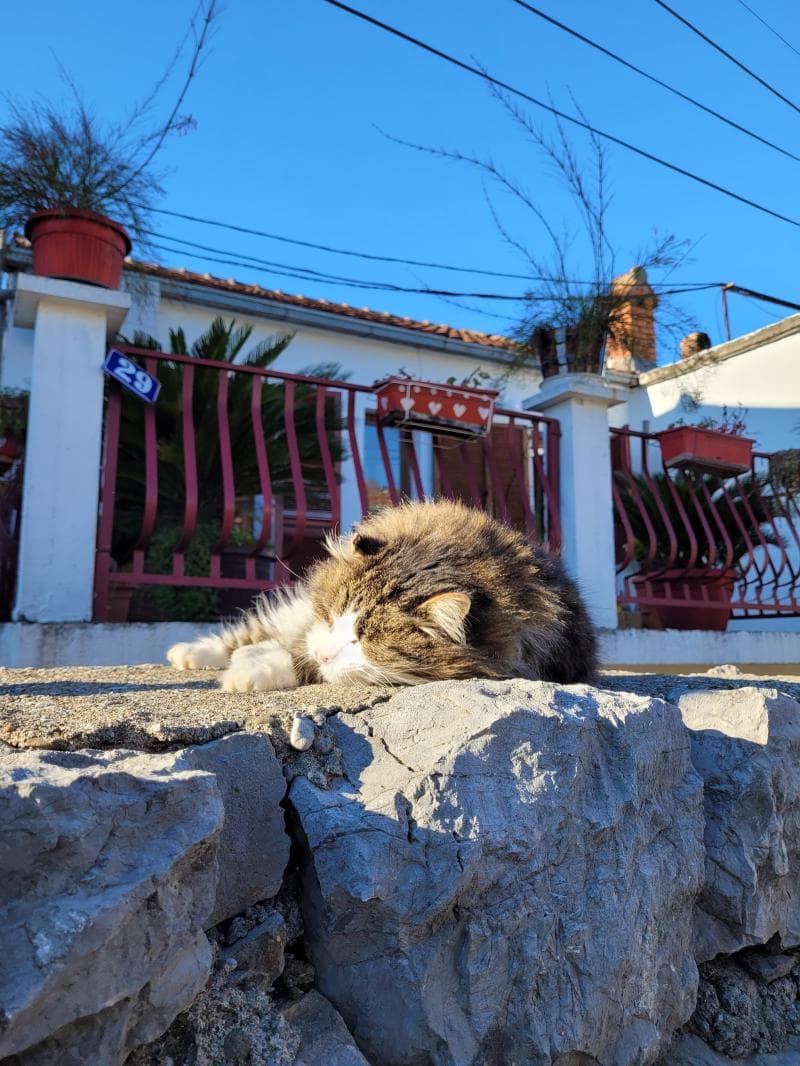
Discover Stara Varoš, Podgorica, Montenegro's historic Old Town. Explore Ottoman-era architecture, the iconic Clock Tower, mosques, and cobbled streets.
Overview
Stara Varoš, meaning 'Old Town', stands as Podgorica's most historic neighborhood and the vibrant heart of the city during the Ottoman era, from the 15th to the 19th century. This enchanting quarter retains significant traces of its 400 years under Ottoman Turkish rule, offering a distinct contrast to the modern cityscape that now surrounds it. Situated on the left bank of the Ribnica River, Stara Varoš provides a unique glimpse into the past, inviting visitors to step away from contemporary life and immerse themselves in a different epoch of Montenegrin history.
History & Cultural Background
The foundations of Stara Varoš were laid between the 15th and 17th centuries when Podgorica, then known as Burgurice, was under the dominion of the Ottoman Empire. During this period, the Ottomans developed the area by constructing fortresses, mosques, traditional Turkish baths (hamams), and bustling market rows, transforming it into a crucial administrative and commercial hub. Even after Podgorica's liberation from Ottoman rule in 1878, Stara Varoš remarkably preserved much of its distinctive Eastern character. However, the neighborhood did not escape the ravages of time and conflict. It suffered extensive damage during the World War II bombings, and some historical structures were unfortunately demolished during the socialist period. Despite these challenges, several key monuments and buildings miraculously endured, standing today as powerful symbols of the city's rich and resilient heritage. Stara Varoš embodies Montenegro's multifaceted identity, showcasing a captivating blend of Ottoman and medieval Montenegrin architectural styles and cultural influences.
What Makes It Special
What truly sets Stara Varoš apart is its unique ability to transport visitors back in time. It is the only area in Podgorica where the authentic atmosphere of the Ottoman era can still be genuinely experienced. The neighborhood is characterized by its labyrinthine, narrow, and cobblestone streets, lined with low-rise houses featuring traditional balconies and distinctive Eastern architectural elements. Dominating the skyline and serving as a timeless sentinel is the Sahat Kula, or Clock Tower. Built in 1667 by Hadži-paša Osmanagić, this imposing 16-meter-tall stone structure is one of the few Ottoman-era monuments that survived the wartime bombings, becoming an iconic symbol of Podgorica's endurance. Further enriching the area's cultural tapestry are two significant mosques: the 18th-century Osmanagić Mosque, notable for its pink facade and elegant 42-meter minaret, which was rebuilt in 2015, and the historic 15th-century Starodoganjska Mosque. The Adži-paša Bridge, a stone bridge spanning the Ribnica River, stands on ancient Roman foundations, adding another layer of historical depth. Another architectural gem is the Ređepagić House, one of the last remaining examples of Ottoman residential architecture, now serving as a cultural center. Unlike some more frequented historical sites, Stara Varoš often offers a more tranquil and authentic experience, with fewer crowds, allowing for a more personal connection to its past.
Stories, Fun Facts & Local Details
The Clock Tower, Sahat Kula, not only marked time but also signaled Muslim prayer times during the Ottoman period. It is believed that the clock mechanism itself was imported directly from Italy in the 19th century, highlighting historical connections and trade routes. The area once featured an old hamam, a Turkish public bath, which adapted its appearance over time and now lies partially beneath a new bridge on the Ribnica. Another fascinating residential building is the Kardljevic Cardak, considered one of Podgorica's oldest houses, though its exact construction date remains somewhat shrouded in mystery, believed to be either at the end of the 16th century, the beginning of the 17th, or in 1826. As you wander through Stara Varoš, you'll encounter small, traditional shops offering a sensory delight of Turkish coffee, aromatic spices, and traditional sweets, reflecting the enduring cultural echoes of its heritage. Authentic local cafés, such as 'Stara Varoš' or 'Kod Krsta', provide perfect spots to savor a traditional coffee and absorb the ambiance. The very name 'Stara Varoš' came into being after the construction of a 'New Town' (Nova Varoš) in the 19th century, distinguishing this historical core.
Visitor Perspective
Exploring Stara Varoš is an experience best undertaken on foot, allowing for a relaxed pace as you navigate its winding, cobblestone pathways. Here, the hustle and bustle of modern Podgorica gently fade away, replaced by a sense of calm and historical resonance. Visitors often find that the best times to explore are during the cooler morning or evening hours, when the soft light enhances the area's enchanting character and the heat is less intense. Beyond simply observing, you can actively engage with the local culture by sipping traditional Turkish coffee in one of the authentic cafés or browsing for handmade souvenirs, including intricate copperware, traditional carpets, and delightful Eastern sweets. For those seeking a wider panoramic view, Gorica Hill, though not directly within Stara Varoš, offers an excellent vantage point of the entire quarter and the broader city. The neighborhood is conveniently located and easily accessible, even on foot, with a pleasant walk from the more central Nova Varoš taking approximately 12 minutes.
Coordinates: 19.2601, 42.4356
View on Google Maps💬 How Travelers Describe This Place
Based on community votes
Beautiful
722Must See
698Photogenic
595Interesting
358Unique
19
Traveler Stories
Discover memorable experiences shared by travelers who have visited this place.
No traveler stories yet.
Be the first traveler to share what made this place memorable.
Things to see at Stara Varoš



Tour
By
Spot
Discover amazing places around the world. Your journey starts here.
Explore
© 2026 TourBySpot. All rights reserved.