Narrow Alleys
Podgorica, Montenegro
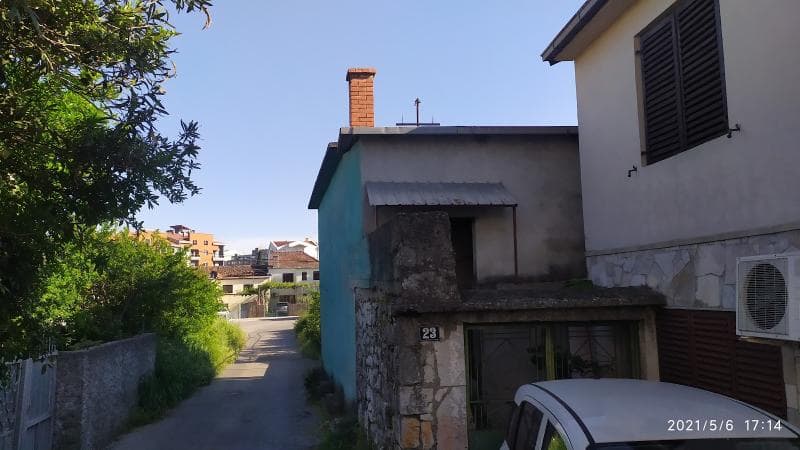
Explore the historic Narrow Alleys of Stara Varoš in Podgorica, Montenegro, a captivating Ottoman-era labyrinth whispering tales of centuries past.
Overview
Deep within Podgorica, Montenegro's capital, lies Stara Varoš, the city's historic heart. At its very core, the sub-spot known as the Narrow Alleys forms a captivating labyrinth, offering a direct portal to a bygone era. These winding, often cobbled pathways are more than just passages; they are the arteries of the Old Town, defining its character and preserving centuries of history. As you step into these tight corridors, you leave behind the modern bustle of Podgorica, entering a tranquil world where time seems to slow down, marked by aged stone and traditional architecture.
The Narrow Alleys of Stara Varoš are characterized by their intimate scale, flanked by traditional stone houses with wooden shutters and occasionally overhanging balconies. This distinctive urban fabric was shaped organically over centuries, creating a unique atmosphere that invites quiet exploration and reflection. They represent a significant part of Podgorica's identity, providing a stark contrast to the newer, more modern parts of the city.
History & Cultural Background
The history of the Narrow Alleys is intrinsically linked to Stara Varoš itself, which served as the core of Podgorica during nearly four centuries of Ottoman rule, from the 15th to the 19th century. This period saw the city transformed into an important administrative center, with a distinct Oriental-Balkan urban and architectural structure. The alleys are a direct consequence of this unplanned, organic development, where streets evolved naturally around squares and residential quarters known as 'mahallas'.
Unlike the structured urban planning seen in Western cities, the layout of Stara Varoš, and consequently its narrow alleys, developed spontaneously, responding to the terrain and the needs of its inhabitants. Although much of Podgorica, including parts of Stara Varoš, suffered extensive damage during World War II bombings, the fundamental layout of these ancient lanes and several key monuments miraculously survived. The alleys stand today as a testament to the city's enduring past and its resilience, showcasing the architectural heritage of the Ottoman era.
What Makes It Special
What truly sets the Narrow Alleys apart is their ability to transport visitors to a different time and place. The confined spaces, often shaded by tall walls and the occasional leaning balcony, create a naturally cool environment, providing a welcome respite during warmer months. The cobblestone surfaces, worn smooth by generations of foot traffic, whisper stories of merchants, artisans, and daily life from long ago.
The architecture found within these alleys is particularly striking. Traditional stone houses, some with charming wooden balconies, are tightly packed, forming a continuous, immersive streetscape. These structures, alongside remnants of Ottoman-era mosques like the Osmanagić Mosque and the Sahat-kula (Clock Tower) on the district's edge, offer tangible links to the past. The feeling of discovery is paramount here, as every turn can reveal a hidden courtyard, a glimpse of traditional craftsmanship, or an unexpected architectural detail.
Stories, Fun Facts & Local Details
The Narrow Alleys are alive with subtle details and echoes of local life. Legend has it that the wooden balconies, sometimes close enough to almost touch, inspired the saying that the houses here are 'gossiping neighbors.' You might occasionally catch the faint scent of traditional Bosnian coffee brewing in a tiny 'kafana', or the aroma of grilled 'ćevapi' drifting from a family courtyard, offering a sensory reminder of the area's rich culinary traditions.
Historically, these alleys were hubs of activity, housing blacksmiths and various artisans whose workshops operated for generations, their metallic clangs once a common sound echoing through the lanes. While many of these traditional crafts have faded, the rhythm of life within the alleys remains distinct. The pace is slower, more deliberate, encouraging visitors to pause and absorb the atmosphere rather than rush through. It's a place where the sounds of the modern city give way to a quieter, more historical hum, occasionally punctuated by the call to prayer from a nearby minaret.
Visitor Perspective
For the curious traveler, exploring the Narrow Alleys of Stara Varoš is an experience best savored on foot. Comfortable shoes are highly recommended, as the uneven cobblestone surfaces require mindful navigation. While the alleys are compact, covering only a few blocks, getting 'lost' is often considered part of the charm, as each detour promises a new discovery. The best times to wander are during the cooler mornings or evenings, when the light softens, casting an enchanting glow on the ancient stones and avoiding the midday heat.
This is not a destination for grand, sweeping vistas, but rather for intimate encounters and subtle details. Visitors are encouraged to observe the intricate stonework, the carved wooden doors, and the way light plays upon the aged facades. The Narrow Alleys offer an authentic glimpse into genuine Montenegrin daily life, contrasting sharply with the more tourist-focused areas found elsewhere. It's a place to connect with Podgorica's layered history, allowing one to truly feel the enduring spirit of the city.
Coordinates: 19.2599, 42.4358
View on Google Maps💬 How Travelers Describe This Place
Based on community votes
Beautiful
703Photogenic
646Interesting
380Unique
291Must See
28
Traveler Stories
Discover memorable experiences shared by travelers who have visited this place.
No traveler stories yet.
Be the first traveler to share what made this place memorable.

Tour
By
Spot
Discover amazing places around the world. Your journey starts here.
Explore
© 2026 TourBySpot. All rights reserved.