Podil
Kiev, Ukraine
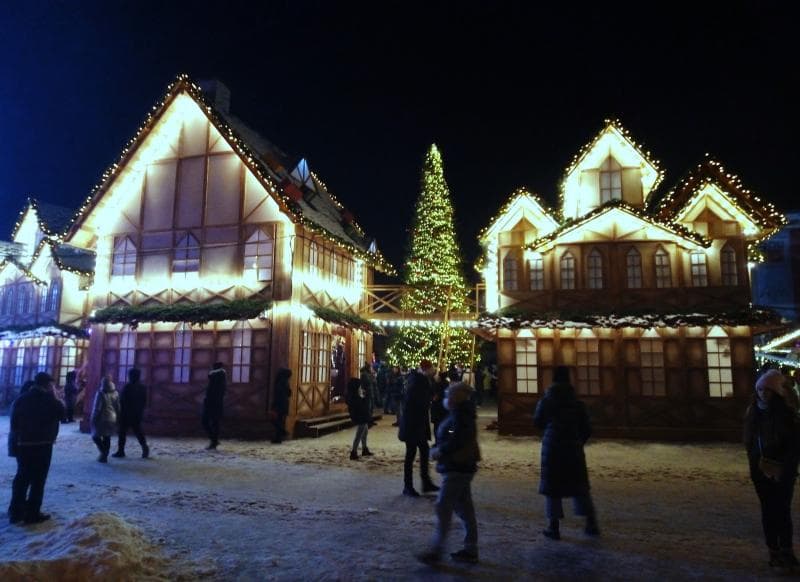
Explore Podil in Kyiv, Ukraine, one of the city's oldest and most vibrant districts, rich in history, unique architecture, and local charm.
Overview
Nestled along the right bank of the majestic Dnieper River in Kyiv, Ukraine, lies Podil, a district steeped in centuries of history and vibrant culture. Its name, meaning 'lower part,' aptly describes its location at the foot of the picturesque Kyiv Hills. From its origins as a bustling trade and craft center in the 9th century, Podil has consistently been the heartbeat of the city, maintaining its central role until the 19th century. Today, this historic neighborhood seamlessly blends its ancient charm with a dynamic, modern atmosphere, characterized by unique streetscapes, magnificent churches, and thriving cultural hotspots.
History & Cultural Background
Podil's story stretches back to the 9th century, with its earliest mentions found in ancient records, including the epic 'The Tale of Igor's Campaign.' Archaeological evidence further confirms its emergence by the late 9th century. This district quickly established itself as Kyiv's primary hub for commerce and artistry. It was a lively marketplace where communities of potters, pitch makers, and tanners thrived, and its port welcomed a constant flow of ships, merchants, and travelers, fostering both trade and cultural exchange.
A significant milestone in Podil's history was the granting of Magdeburg Rights in the 15th century. This led to the construction of a rathaus, which later evolved into the Kyiv Magistrate, located on the district's main square. The 17th century saw the establishment of the Kyiv-Mohyla Academy, the first institution of higher education for East Slavic peoples. This academy played an immense role, shaping the spiritual life not only in Ukraine but also across Russia, Belarus, and even parts of the Orthodox world like Greece and Moldova.
A transformative event occurred in 1811 when a great fire ravaged much of Podil. Despite the devastation, the district was quickly rebuilt. This reconstruction dramatically altered its appearance, replacing the previously narrow and winding streets with broader, straighter avenues. This new urban plan, influenced by architects like William Geste and Andrey Melensky, gave Podil a distinct, organized layout that largely persists today. However, the Soviet era brought challenges, with many Old Rus monuments facing demolition and a period where Podil's architectural heritage was regrettably undervalued. Despite this, the district proudly showcases a diverse architectural tapestry from the 17th to 19th centuries, featuring Ukrainian Baroque, Russian classicism, eclecticism, and modernism.
What Makes It Special
At the heart of Podil lies Kontraktova Square, a focal point of activity and one of Kyiv's oldest public spaces. This historic square is more than just a place; it is a vibrant hub for social gatherings, concerts, and fairs, embodying the spirit of old Kyiv. It is home to significant landmarks such as the painstakingly restored Dormition Church of the Blessed Virgin of Pirogoshcha, the Gostiny Dvor trade complex, and the enchanting Fountain of Samson. Monuments honoring the philosopher Hryhoriy Skovoroda and military commander Petro Sahaidachny also stand proudly here.
Connecting Podil to Kyiv's Upper Town is the famed Andriyivskyy Descent, often dubbed 'Kyiv's Montmartre.' This picturesque cobbled street is an artisan's paradise, brimming with unique shops, cozy cafes, art workshops, and galleries, making it a prime spot for discovering local crafts and souvenirs. Along its winding path, visitors can admire the magnificent St. Andrew's Church, a masterpiece of Ukrainian Baroque architecture, and the intriguing Richard's Castle, alongside the fascinating One Street Museum.
Podil's close relationship with the Dnieper River is evident at Poshtova Square, another ancient square offering beautiful riverside views. From here, travelers can embark on scenic boat rides or take the historic Kyiv Funicular, providing a charming ascent to the Upper Town. The district's architecture itself is a compelling narrative, presenting a beautiful blend of styles that reflect its long and varied past. Together, these elements create a romantic, bohemian, and lively atmosphere that makes Podil truly special.
Stories, Fun Facts & Local Details
- The name 'Podil' directly translates to 'lower part' or 'situated downwards,' indicating its geographical position relative to Kyiv's higher ground.
- Many street names in Podil subtly recall its historical past as a center for artisans. For instance, 'Honchari' points to potters, while 'Kozhemyaki' refers to leather craftsmen.
- A charming local legend surrounds the Fountain of Samson in Kontraktova Square: it is said that anyone who sips its water is destined to remain in Kyiv forever. This makes it a favored spot for both romantic rendezvous and memorable photographs.
- The Kyiv Funicular, connecting Podil to the Upper Town, is recognized as one of Europe's oldest operational funiculars, offering a unique and traditional transport experience.
- Beneath the modern streets of Podil flows the ancient Hlybochytsia River, now mostly underground. This river once divided the district and was a significant trade route. Today, adventurous visitors can explore its brick-vaulted tunnels through specialized tours, uncovering a hidden part of Kyiv's past.
- The Pharmacy-Museum, located in what was Kyiv's first private drugstore opened in 1728, offers a fascinating glimpse into historical medicine and sells handmade soap, a popular souvenir.
Visitor Perspective
For the curious traveler, Podil offers an immersive experience. It is a highly walkable district, though comfortable shoes are recommended to navigate its charming, often cobbled, streets. Visitors can easily spend hours exploring its rich history, diverse architecture, and vibrant cultural scene. Whether you are delving into local cuisine, browsing unique art galleries, or hunting for handcrafted souvenirs, Podil provides ample opportunities for discovery.
Kontraktova Square serves as an excellent starting point for exploration, providing access to many of Podil's key attractions. The district's numerous cafes, restaurants, and bars offer delightful spots to relax and soak in the authentic Kyiv atmosphere. Podil truly represents a captivating blend of the ancient and the contemporary, making every visit a memorable journey through time and culture.
Coordinates: 30.5163, 50.4686
View on Google Maps💬 How Travelers Describe This Place
Based on community votes
Must See
556Photogenic
540Unique
470Interesting
410Beautiful
254
Traveler Stories
Discover memorable experiences shared by travelers who have visited this place.
No traveler stories yet.
Be the first traveler to share what made this place memorable.
Things to see at Podil



Tour
By
Spot
Discover amazing places around the world. Your journey starts here.
Explore
© 2026 TourBySpot. All rights reserved.