Oceanário De Lisboa
Lisbon, Portugal
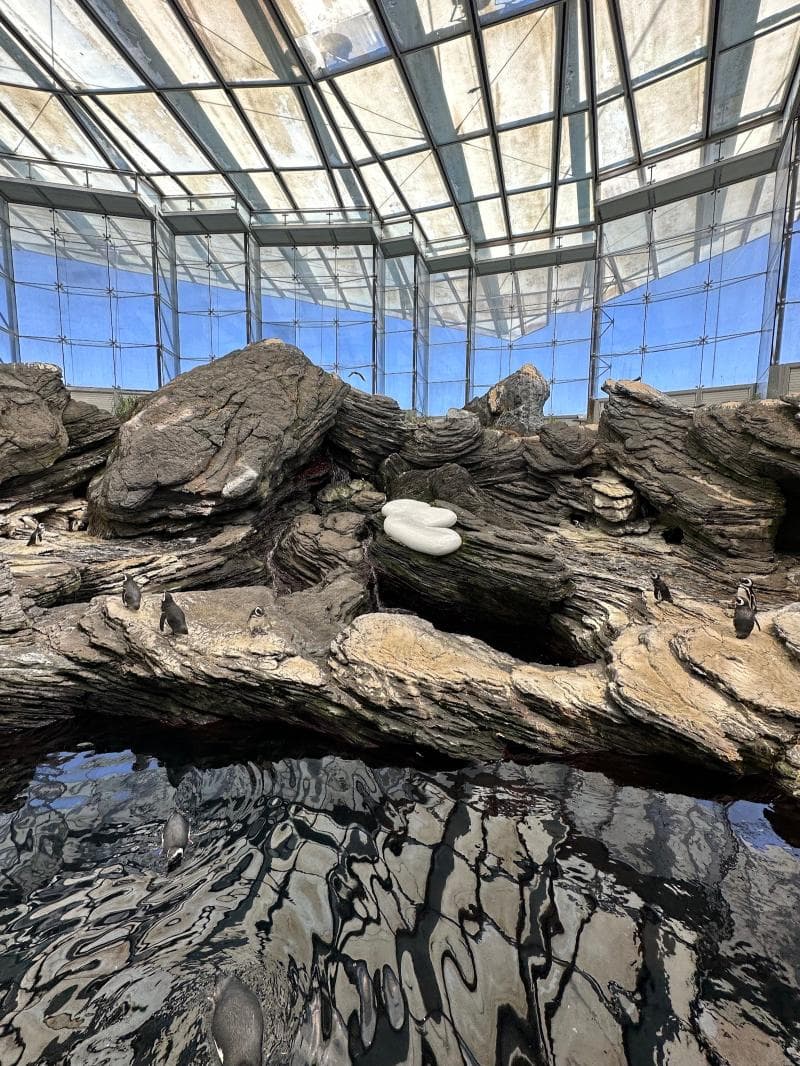
Explore Oceanário De Lisboa, one of Europe's largest aquariums in Lisbon, Portugal. Discover diverse marine life and ocean conservation efforts.
Overview
The Oceanário De Lisboa, located in the modern Parque das Nações district of Lisbon, Portugal, stands as one of Europe's largest and most acclaimed indoor aquariums. Inaugurated on May 22, 1998, as a centerpiece of Expo '98, it embodied the exhibition's theme: 'The Oceans, a Heritage for the Future.' Annually attracting approximately one million visitors, it is consistently ranked among Portugal's most visited cultural institutions. Housing an impressive collection of over 8,000 marine creatures from 500 different species, the Oceanário offers an immersive journey through global aquatic ecosystems. Its commitment to marine conservation and education has earned it international recognition, including being named the world's best aquarium by TripAdvisor multiple times.
History & Cultural Background
The genesis of the Oceanário De Lisboa is deeply intertwined with Expo '98, a world's fair focused on ocean preservation. American architect Peter Chermayeff, renowned for his aquarium designs, was the visionary behind its distinctive structure. The building's design strategically positions it within the Doca dos Olivais, surrounded by water, evoking the imagery of an island anchored firmly in the ocean or even an aircraft carrier. This architectural choice was a deliberate nod to Portugal's rich maritime history, with its exterior adorned with blue tiles reminiscent of traditional Portuguese azulejos. This connection highlights Lisbon's historical relationship with the sea, a heritage forged by centuries of exploration and discovery. In 2011, the Oceanário expanded its facilities with the addition of the 'Edifício do Mar' (Sea Building), designed by architect Pedro Campos Costa, further enhancing its capacity for education and exhibition.
What Makes It Special
At the heart of the Oceanário De Lisboa is its monumental central tank, a 5-million-liter saltwater expanse that symbolizes the 'Global Ocean' or 'One Planet, One Ocean.' This immense aquarium provides a habitat for over 100 species, including sharks, rays, barracudas, and moray eels, giving visitors the illusion of an endless marine environment. Surrounding this central marvel are four distinct marine habitats, each meticulously recreating the unique ecosystems of the North Atlantic, the Antarctic, the Temperate Pacific, and the Tropical Indian Oceans. Large acrylic panels separate these habitats from the central tank, maintaining the visual continuity of a single, boundless ocean. The Oceanário is also celebrated for housing rare and challenging-to-care-for species, such as the majestic sunfish (Mola mola), the world's largest bony fish. Other beloved residents include playful sea otters, charming penguins, and exotic leafy sea dragons. Beyond its permanent collection, the 'Forests Underwater by Takashi Amano' exhibit presents the world's largest freshwater nature aquarium, a stunning display of aquatic flora and fauna. The institution's dedication extends beyond exhibition; it is the first 'Center for Species Survival' of the SSC-IUCN, actively promoting marine environmental education and global conservation efforts.
Stories, Fun Facts & Local Details
The Oceanário is not just about scientific displays; it's also a place rich with engaging stories and local touches. Its friendly mascot, a lovable character named Vasco, is a tribute to the celebrated Portuguese explorer Vasco da Gama, reinforcing the nation's seafaring legacy. The Oceanário's sea otters have famously been named after beloved Portuguese figures: Eusébio, honoring the legendary soccer player, and Amália, after the iconic fado singer Amália Rodrigues. Their offspring, Micas and Maré, continue this endearing tradition. The striking architecture of the original building, resembling an island or even an aircraft carrier, adds another layer of intrigue. For its younger visitors, the Oceanário offers special activities, such as the unique opportunity to 'sleep with the sharks' ('Dormindo com Tubarões'), fostering an early appreciation for marine life. A fascinating detail of the 2011 extension building is its ceramic facade, designed to mimic the intricate scales of a fish. Notably, since its privatization in 2015, all profits generated by the Oceanário are reinvested directly into vital ocean conservation initiatives and educational programs, ensuring its enduring commitment to marine stewardship.
Visitor Perspective
A visit to the Oceanário De Lisboa promises an immersive and memorable experience for travelers of all ages. Upon entering, visitors cross an elevated walkway that offers scenic views before reaching the main exhibition area. The clever design allows for a journey through the oceans from two distinct perspectives: observing marine life both from the surface level and from an 'underwater' vantage point, enhancing the feeling of being truly submerged in the aquatic world. Many find themselves captivated by the tranquil atmosphere of the central tank, spending extended periods simply watching the diverse array of creatures swim by, offering a peaceful escape from the city's hustle. The Oceanário is particularly well-suited for families, providing numerous educational programs and interactive exhibits designed to engage children and cultivate an understanding of marine ecosystems and the importance of conservation. It's a place where wonder and learning converge, leaving a lasting impression and a deeper connection to the global ocean.
Coordinates: -9.0937, 38.7635
View on Google Maps💬 How Travelers Describe This Place
Based on community votes
Unique
965Interesting
629Must See
443Beautiful
184Photogenic
176
Traveler Stories
Discover memorable experiences shared by travelers who have visited this place.
No traveler stories yet.
Be the first traveler to share what made this place memorable.
Things to see at Oceanário De Lisboa



Tour
By
Spot
Discover amazing places around the world. Your journey starts here.
Explore
© 2026 TourBySpot. All rights reserved.