Educational Zones
Lisbon, Portugal
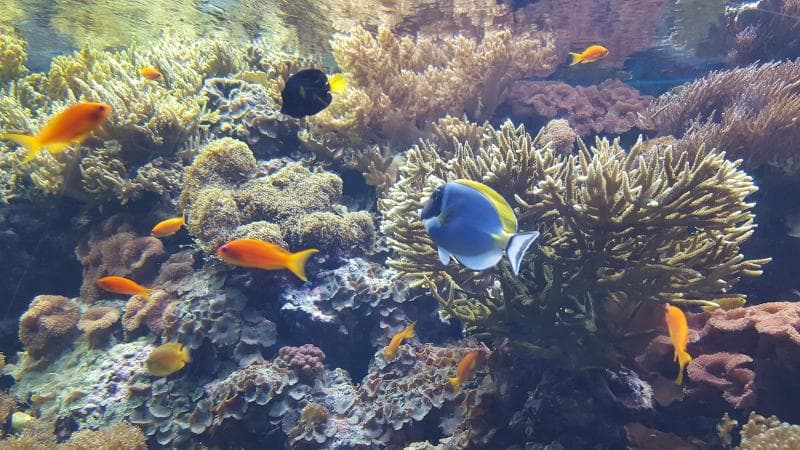
Explore the Educational Zones of Oceanário de Lisboa, Portugal, fostering ocean literacy and marine conservation through engaging exhibits and programs.
Overview
Nestled in Lisbon's Parque das Nações, the Oceanário de Lisboa is renowned not only as one of Europe's largest aquariums but also as a leading institution for marine education. Its 'Educational Zones' are not segregated areas but rather a holistic approach integrated throughout the entire facility and its programs. The core mission is to promote 'ocean literacy', fostering a deep understanding of marine environments and inspiring conservation among visitors of all ages. From interactive exhibits to structured workshops, the Oceanário provides diverse avenues for learning about the intricate balance of ocean ecosystems and humanity's impact on them.
History & Cultural Background
The Oceanário de Lisboa opened its doors in 1998 as the centerpiece of Expo '98, themed 'The Oceans: A Heritage for the Future'. From its inception, education and marine conservation were central to its mission. Portugal, with its rich maritime history and deep connection to the Atlantic Ocean, provides a culturally significant backdrop for such an institution. The Oceanário continues this legacy, using its expansive collection of marine life and innovative presentations to educate the public, cementing its role as a cultural touchstone that connects modern Portuguese identity with its oceanic heritage. The facility has continuously expanded its educational and exhibition areas since 2000, notably with the Sea Building in 2011, enhancing its capacity to engage and inform.
What Makes It Special
What sets the Oceanário's educational offerings apart is their comprehensive and immersive nature. It goes beyond mere display, actively engaging visitors in ocean literacy—understanding the ocean's influence on humanity and vice versa. The educational zones encompass a wide range of activities, including programs for schools across all education levels, designed to complement curricular studies. Furthermore, the Oceanário organises certified workshops for teachers, equipping educators with tools and innovative activities to integrate ocean conservation into their own classrooms. Each exhibit, from the central ocean tank to the four distinct oceanic habitats, is designed to highlight critical marine conservation issues such as coral bleaching and ocean plastics, presented through interactive displays and child-friendly explanations.
Stories, Fun Facts & Local Details
The very architecture of the Oceanário, designed by Peter Chermayeff, tells a story. It appears to float on an artificial lagoon, resembling an aircraft carrier, symbolizing Lisbon's enduring connection to the sea and inviting visitors into an immersive 'underwater' experience even before they step inside. The ingenious design of the central tank, surrounded by four other tanks representing different ocean habitats (North Atlantic, Antarctic, Temperate Pacific, and Tropical Indian), uses large acrylic sheets to create the illusion of a single, vast ocean. This clever visual trick encourages visitors to contemplate the interconnectedness of global marine ecosystems. While the 'Oceanário Shuttle', a program that took educational experiences across the country, is currently suspended, it exemplifies the institution's commitment to broad-reaching environmental education. The focus on making learning fun is evident in all their efforts, aiming to inspire a sense of wonder and responsibility towards the oceans.
Visitor Perspective
For a curious traveler, exploring the educational zones of the Oceanário de Lisboa is an enlightening journey. It's an opportunity not just to marvel at marine biodiversity but to understand its fragility and our role in its preservation. Families, in particular, find the experience highly engaging, with interactive elements and clear messaging making complex ecological concepts accessible to younger minds. The one-way route, which gently spirals around the central tank, ensures a natural flow, allowing visitors to absorb information without feeling rushed or overwhelmed. As you walk through, you're not just observing; you're prompted to think about global conservation efforts and how individual actions contribute to the health of our planet's oceans, leaving a lasting impression and perhaps even a renewed commitment to environmental stewardship.
Coordinates: -9.0937, 38.7635
View on Google Maps💬 How Travelers Describe This Place
Based on community votes
Photogenic
692Beautiful
674Must See
503Interesting
261Unique
49
Traveler Stories
Discover memorable experiences shared by travelers who have visited this place.
No traveler stories yet.
Be the first traveler to share what made this place memorable.

Tour
By
Spot
Discover amazing places around the world. Your journey starts here.
Explore
© 2026 TourBySpot. All rights reserved.