Myeongdong
Seoul, South Korea
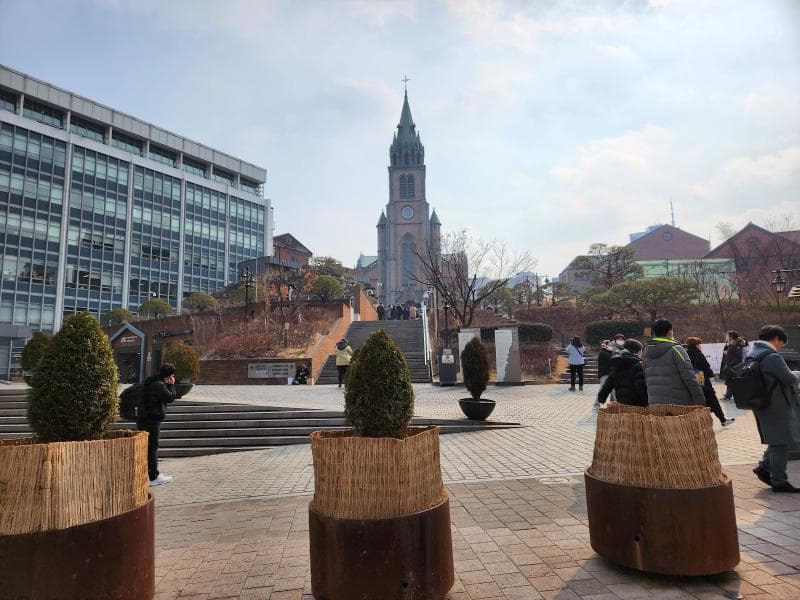
Explore Myeongdong, Seoul, South Korea's vibrant heart. Discover K-beauty, diverse shopping, delicious street food, and rich history in this bustling district.
Overview
Myeongdong, nestled in the heart of Seoul, South Korea, is an electrifying district that pulsates with an undeniable energy. It's a premier destination that brilliantly fuses shopping, dining, and cultural experiences, attracting both locals and international visitors alike. Often described as Seoul's shopping mecca, Myeongdong is a bustling hub where modern trends meet a rich historical tapestry. The area is known for its vibrant atmosphere, especially as it transforms into a neon-lit wonderland each night, with street food vendors lining its alleys. Beyond its commercial appeal, Myeongdong serves as a significant cultural and financial center, making it a dynamic snapshot of contemporary South Korea.
History & Cultural Background
The journey of Myeongdong is a fascinating reflection of Korea's broader transformation. Its origins trace back to the Joseon Dynasty, when it was a tranquil residential area known as Myeongrye-bang or Chonghyeon, meaning 'Bell Hill,' housing aristocrats and court officials. This historic quarter also played a pivotal role in the birth of Korean Catholicism, hosting the nation's first Catholic community gathering in 1784 during a period when Christianity was prohibited.
During the Japanese colonial rule, the district underwent a significant metamorphosis. Renamed Meiji-cho in 1914, it began its evolution into a commercial hub, influenced by the burgeoning commerce in neighboring Chungmuro. Following Korea's liberation in 1945, the district was officially christened Myeongdong in 1946, a name meaning 'bright neighborhood,' symbolizing hopes for a prosperous future. The Korean War brought devastation, but Myeongdong rose from the ashes, experiencing remarkable urban development in the post-war era. By the 1970s, it solidified its reputation as Seoul's premier shopping destination and a vibrant cultural incubator, shaping fashion trends and youth culture.
A significant landmark, Myeongdong Cathedral, stands as a testament to this rich history. Constructed between 1894 and 1898, it was Korea's first Gothic Revival cathedral and the tallest building in Seoul at the time. Designated as Historic Site No. 258, it has also historically served as a refuge and a focal point for pro-democracy protests during turbulent political periods.
What Makes It Special
Myeongdong is truly special for its unparalleled blend of retail therapy, culinary delights, and a tangible sense of modern Korean culture. It is a shopper's paradise, offering an extensive array of goods from high-end luxury brands to affordable fashion, and a remarkable concentration of K-beauty and skincare stores. You'll find flagship stores of popular Korean beauty brands like Olive Young, Nature Republic, and Innisfree, often offering promotions and tax-free shopping for tourists.
The district is equally renowned for its dynamic street food scene, especially vibrant in the evenings. Hundreds of vendors line the streets, serving up a mouth-watering selection of Korean snacks and dishes, from classic tteokbokki and fish cakes to tornado potatoes, grilled lobster, and sweet hotteok. Beyond street food, Myeongdong boasts a variety of restaurants, including Michelin-recognized eateries like Myeongdong Kyoja, famous for its kalguksu and dumplings. Large department stores such as Lotte Department Store and Shinsegae Department Store further enhance its status as a retail powerhouse.
Stories, Fun Facts & Local Details
Myeongdong's evolution as a trendsetter is a compelling story. In the mid-1970s, it became a cultural crucible where young people gathered not just to shop but to actively participate in and create Korean fashion culture. This period laid the groundwork for the global phenomenon of K-beauty and K-pop aesthetics that we see today.
A unique local detail is the presence of several themed establishments, such as the Stylenanda Pink Hotel Cafe, known for its Instagrammable decor, and the HBAF store, dedicated to an extensive range of flavored nuts. For those seeking entertainment beyond shopping and dining, the Myeongdong Nanta Theatre offers popular non-verbal performances. The area also features the Myeongdong Walking Street, recognized by UNESCO, which is the bustling epicenter of its retail and fashion world.
Visitor Perspective
For many travelers, particularly first-time visitors to Seoul, Myeongdong serves as an ideal base due to its convenience and accessibility. Its central location, excellent transport links, and perceived safety at night contribute to its appeal. Multiple subway lines connect directly to Myeongdong Station (Line 4) and Euljiro 1-ga Station (Line 2), placing visitors right at the heart of the action.
To make the most of a visit, comfortable footwear is highly recommended, as exploring the labyrinthine streets and alleys involves considerable walking. While many stores accept credit cards, it's wise to carry some cash for purchases from the numerous street food stalls. The best time to experience Myeongdong's full vibrancy is from late afternoon onwards, when the street food market comes alive, though visiting on weekdays mornings can offer a less frantic pace. Many shops also offer on-the-spot tax refunds for tourists, adding to the shopping experience.
Coordinates: 126.98583, 37.55998
View on Google Maps💬 How Travelers Describe This Place
Based on community votes
Must See
996Beautiful
726Unique
717Interesting
335Photogenic
22
Traveler Stories
Discover memorable experiences shared by travelers who have visited this place.
No traveler stories yet.
Be the first traveler to share what made this place memorable.
Things to see at Myeongdong



Tour
By
Spot
Discover amazing places around the world. Your journey starts here.
Explore
© 2026 TourBySpot. All rights reserved.