Underground Shopping Center
Seoul, South Korea
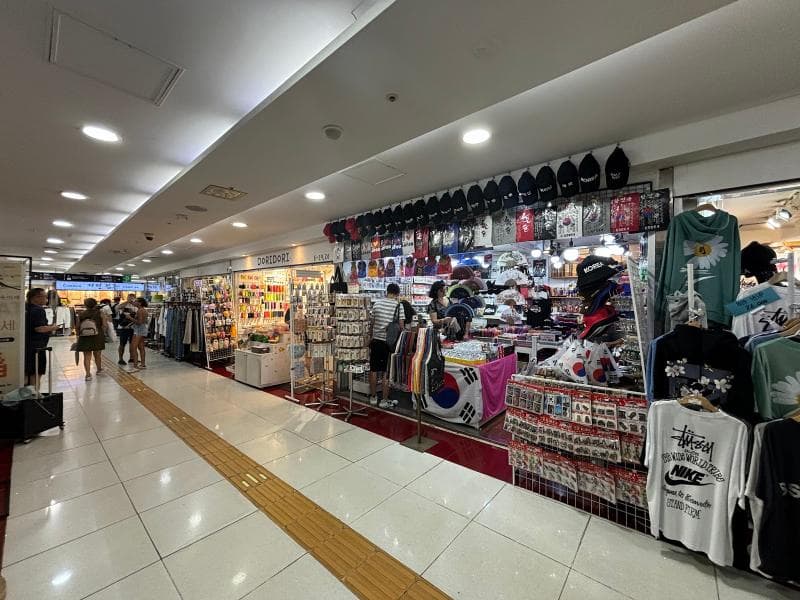
Explore the Myeongdong Underground Shopping Center in Seoul, South Korea, for affordable fashion, K-pop merchandise, and unique Korean souvenirs.
Overview
Beneath the bustling, fashion-forward streets of Myeongdong in Seoul, South Korea, lies a vibrant subterranean world known as the Myeongdong Underground Shopping Center. This expansive network of passages offers a distinctive shopping experience, acting as a cool, convenient haven from the city's elements, whether it's the summer heat or winter chill. Connecting major subway stations like Euljiro 1-ga (Line 2) and Myeongdong Station (Line 4), it serves as a thoroughfare for commuters and a treasure trove for shoppers alike. Visitors can seamlessly navigate from the underground mall to nearby landmarks such as Lotte Young Plaza, Lotte Department Store, and even City Hall, all through interconnected passages. It's a place where the pulse of local commerce can be felt, offering a wide array of goods that often come with more budget-friendly price tags compared to their street-level counterparts.
The Myeongdong Underground Shopping Center is a labyrinth of stalls, each presenting a unique facet of Korean retail. Here, one can discover everything from trendy apparel and stylish accessories to a vast selection of Korean cosmetics and skincare products. Beyond fashion and beauty, it's a prime spot for K-pop merchandise, souvenirs, and even services like nail shops. The atmosphere is lively yet often a little quieter than the busy streets above, providing a more intimate shopping environment. This underground realm is not merely a shopping destination; it is an integral part of Seoul's dynamic urban landscape, reflecting the city's innovative use of space and its deep-rooted shopping culture.
History & Cultural Background
Seoul's underground shopping malls, including those in Myeongdong, have a fascinating origin story deeply intertwined with the city's history and development. The concept of subterranean commercial spaces in Seoul emerged significantly during the rapid urbanization of the 1970s and 1980s. Interestingly, some of these underground networks were initially conceived and constructed as 'emergency bunkers' to provide protection for citizens against potential air attacks, especially during periods of heightened tensions.
Beyond their defensive functions, these underground spaces were ingeniously commercialized. This move aimed to alleviate traffic congestion on the surface, creating safer and more accessible pedestrian zones in the bustling city. The 'New Seoul Underground Shopping Center', which opened in Euljiro 1-ga in December 1967, near City Hall, marked the beginning of this trend. It quickly gained popularity as a modern hub, paving the way for over 20 more subterranean shopping centers to be established throughout the 1970s. This historical context reveals how necessity and ingenuity shaped Seoul's urban planning, transforming practical underground passages into vibrant commercial arteries that continue to thrive today. These malls have fostered a unique shopping culture, offering trendy items at accessible prices, often becoming a first glimpse into Korean consumer culture for many visitors.
What Makes It Special
The Myeongdong Underground Shopping Center distinguishes itself through a unique blend of affordability, accessibility, and an authentic Korean retail experience. Unlike the often higher-priced, international brands that dominate the street level of Myeongdong, the underground mall offers a vast selection of goods at more competitive prices. This makes it a go-to spot for finding bargains on everything from fashion and accessories to K-beauty products and souvenirs.
Its direct connections to major subway stations, particularly Euljiro 1-ga and Myeongdong Station, make it incredibly convenient for both locals and tourists to reach, regardless of the weather conditions outside. The climate-controlled environment is a significant draw, providing a comfortable shopping experience whether it's scorching hot or freezing cold above ground. The sheer variety of items, particularly K-pop merchandise and unique Korean fashion sensibilities, offers insights into local trends before they hit mainstream international recognition. While it may appear 'run down' to some, this adds to its charm, providing a more 'old-school local vibe' compared to the polished department stores.
Stories, Fun Facts & Local Details
Stepping into the Myeongdong Underground Shopping Center is like uncovering a hidden layer of Seoul's personality. One fun aspect for visitors is the possibility of haggling, though prices are often already quite fair. It's a place where you might stumble upon an unexpected find, a sentiment echoed in local tales that suggest finding treasures here brings good fortune, perhaps blessed by the spirits of old merchants. The underground nature means it's a fantastic spot to escape the elements, a practical local tip for both sweltering summers and biting winters.
For K-pop enthusiasts, the underground mall is a paradise. Specific stores, like 'Myeong-dong Character' inside Myeongdong Station (Line 4), are dedicated to K-pop goods, including albums, photocards, posters, and even K-drama memorabilia. Many stalls primarily cater to local tastes, meaning visitors get a genuine glimpse into everyday Korean consumer culture, distinct from the more tourist-focused offerings above ground. You might find unique items like fluffy chiffon cakes or surprisingly affordable glasses with blue light filters, showcasing the diverse and sometimes quirky products available. The area can feel like a maze, so noting your entrance point is a common piece of advice to avoid getting a little lost in its charming complexity.
Visitor Perspective
From a visitor's perspective, the Myeongdong Underground Shopping Center offers an engaging and rewarding experience that complements the street-level attractions of Myeongdong. It's often praised for its convenience, directly accessible from the subway system, making it an easy addition to any itinerary. Travelers find it an ideal place to pick up unique souvenirs, last-minute gifts, and trendy Korean fashion items without breaking the bank. The vibrant energy and wide selection can easily lead to spending hours browsing, discovering hidden gems around every corner.
While some shopkeepers might have limited English, the presence of clear price tags generally makes transactions smooth. The experience here provides a valuable cultural immersion, allowing visitors to observe Korean shopping behaviors and discover emerging trends that might not yet be visible in more commercialized areas. It offers a chance to connect with an authentic side of Seoul, a place where the practicality of an underground passage merges with the excitement of discovery and the thrill of a good bargain. Whether seeking specific K-pop memorabilia, affordable skincare, or just a unique cultural insight, the Myeongdong Underground Shopping Center stands as a memorable stop for any curious traveler.
Coordinates: 126.98583, 37.55998
View on Google Maps💬 How Travelers Describe This Place
Based on community votes
Must See
683Beautiful
642Interesting
597Unique
300Photogenic
300
Traveler Stories
Discover memorable experiences shared by travelers who have visited this place.
No traveler stories yet.
Be the first traveler to share what made this place memorable.

Tour
By
Spot
Discover amazing places around the world. Your journey starts here.
Explore
© 2026 TourBySpot. All rights reserved.