Musée Matisse
Nice, France
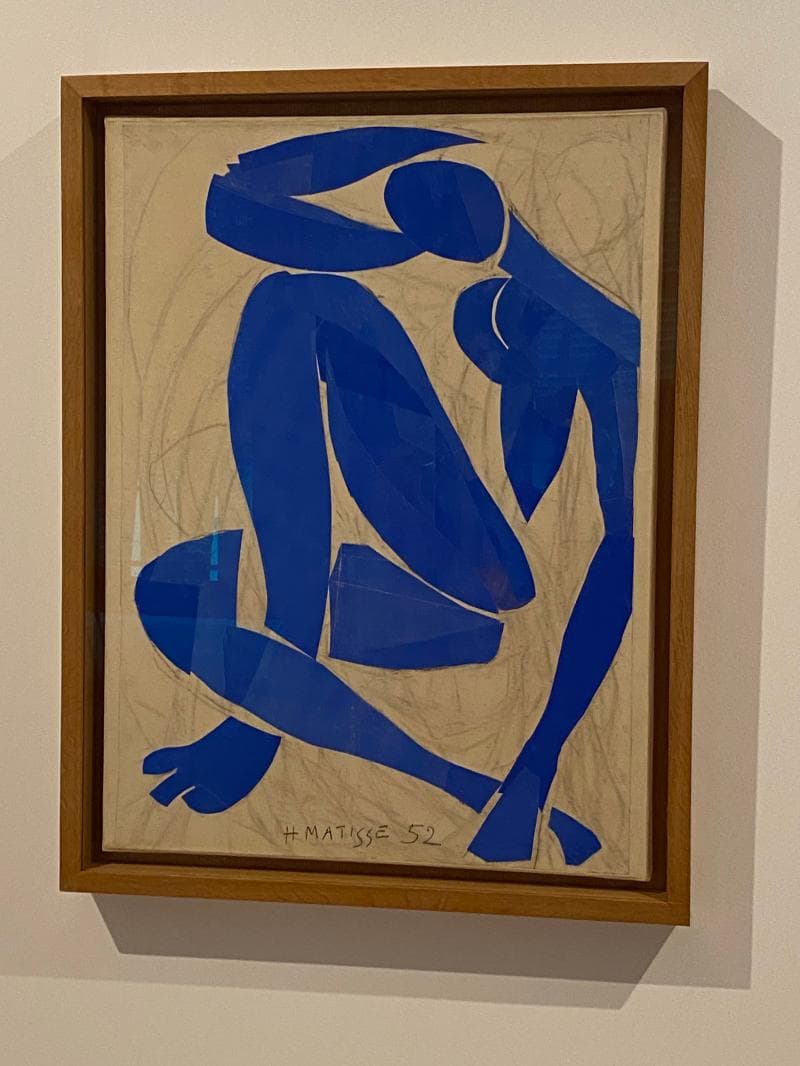
Explore the Musée Matisse in Nice, France, home to one of the world's largest collections of Henri Matisse's art, tracing his life and work.
Overview
Nestled in the serene hills of Nice, France, the Musée Matisse is a monographic museum dedicated to the life and extraordinary work of Henri Matisse, one of the 20th century's most influential artists. Housed within a charming 17th-century Genoese villa, also known as the Villa des Arènes, the museum offers a profound journey through Matisse's artistic evolution, from his early academic pieces to his revolutionary paper cut-outs. Its distinctive red and yellow facade, adorned with trompe-l'oeil details, stands gracefully amidst an ancient olive grove in the Cimiez Arènes Garden. The museum's collection is one of the most comprehensive in the world, stemming largely from generous donations by Matisse himself and his heirs, providing an intimate look into the artist's creative process and personal universe.
Visitors to the Musée Matisse can explore a vast array of his artistic output, encompassing paintings, drawings, prints, sculptures, and even illustrated books. The museum's unique setting in Nice holds particular significance, as the city was Matisse's home and primary source of inspiration for nearly four decades, from 1917 until his death in 1954. It's a place where art, history, and the tranquil beauty of the French Riviera converge, inviting contemplation and admiration.
History & Cultural Background
The story of the Musée Matisse is deeply intertwined with Henri Matisse's personal history in Nice. He first arrived in the city in December 1917, seeking respite from the Parisian winter and the turmoil of World War I. What began as a temporary stay blossomed into a profound connection, with Matisse choosing to live and work in Nice for the majority of his remaining life, drawn by the unique quality of the Mediterranean light and climate.
The genesis of the museum dates back to 1953, a year before Matisse's passing, when he made an initial donation of several key works to the City of Nice, expressing his wish for a museum dedicated to his art. The city acquired the Villa des Arènes in 1950, and the museum officially opened its doors on January 5, 1963. Initially, it occupied the first floor of the villa, with the ground floor housing an archaeological museum. Following further significant donations from Matisse's family, particularly in 1960 and 1978, and the relocation of the archaeological museum in 1989, the Musée Matisse underwent a major renovation and expansion. Reopening in 1993 with a modern wing, it was able to showcase its growing collection more comprehensively, allowing for a chronological and thematic display of Matisse's diverse periods and techniques.
What Makes It Special
What sets the Musée Matisse apart is its extraordinary comprehensiveness, offering an unparalleled insight into the artist's entire career. It houses one of the world's most extensive collections, including a significant number of works that belonged to Matisse himself, along with personal objects that often appeared in his paintings. Visitors can trace his journey from his earliest painting, 'Nature morte aux livres' (1890), through his vibrant Fauvist period, his iconic 'Nice period' odalisques, and his monumental cut-outs.
The museum is particularly notable for its rich array of drawings, prints, and sculptures – it is the only museum in Europe to hold almost all of Matisse's sculpted works. Beyond the finished masterpieces, it provides a rare glimpse into his creative process through preparatory works for significant pieces like 'La Danse' and the awe-inspiring Rosary Chapel in Vence. The integration of his personal effects, such as furniture, textiles, and objects from various cultures, allows visitors to feel as if they are stepping into Matisse's own studio, understanding the 'palette of objects' that fueled his inspiration.
Stories, Fun Facts & Local Details
Henri Matisse's long residency in Nice deeply influenced his artistic output, leading to what is often referred to as his 'Nice period'. He was captivated by the city's unique light and environment, famously stating, 'When I realized that every morning I would see this light again, I could not describe my joy. I decided not to leave Nice, and I stayed there practically all my life.' Many of his famous interiors, still lifes, and odalisques were painted in various apartments and studios across Nice, including those with views of the sea and bustling markets.
Interestingly, the museum itself is located just a stone's throw from the former Regina Hotel, where Matisse lived and worked for many years, particularly during his later life when he developed his revolutionary paper cut-out technique after becoming too infirm to paint with a brush. The vibrant colors of the museum's villa are said to reflect Matisse's own iconic use of color. The surrounding Cimiez Arènes Garden is not just a beautiful park but also a historically significant site, featuring ancient Roman ruins of Cemenelum, including an arena and baths, creating a fascinating juxtaposition of ancient history and modern art.
Visitor Perspective
A visit to the Musée Matisse offers a tranquil and immersive experience, inviting visitors to engage deeply with the artist's world. The museum's chrono-thematic display, spread across four levels, guides you through Matisse's artistic journey in a natural flow. While the museum periodically rotates its collection and features temporary exhibitions to provide fresh perspectives, core works are always on display. Many visitors appreciate the intimate scale of the museum, allowing for unhurried contemplation of the artworks.
It's advisable for travelers to do a bit of research beforehand, as some explanations of the artworks are primarily in French, though the visual impact of Matisse's work transcends language barriers. The museum's location in the Cimiez neighborhood makes it an ideal complement to exploring the nearby Roman ruins and the Archaeological Museum. Accessibility is provided via an elevator, though the main entrance is accessed by a grand staircase. The Musée Matisse truly allows one to feel the spirit of an artist who found his ultimate muse in the light and life of the French Riviera.
Coordinates: 7.27591, 43.71946
View on Google Maps💬 How Travelers Describe This Place
Based on community votes
Interesting
872Unique
846Photogenic
684Must See
121Beautiful
87
Traveler Stories
Discover memorable experiences shared by travelers who have visited this place.
No traveler stories yet.
Be the first traveler to share what made this place memorable.
Things to see at Musée Matisse



Tour
By
Spot
Discover amazing places around the world. Your journey starts here.
Explore
© 2026 TourBySpot. All rights reserved.