Permanent Galleries
Nice, France
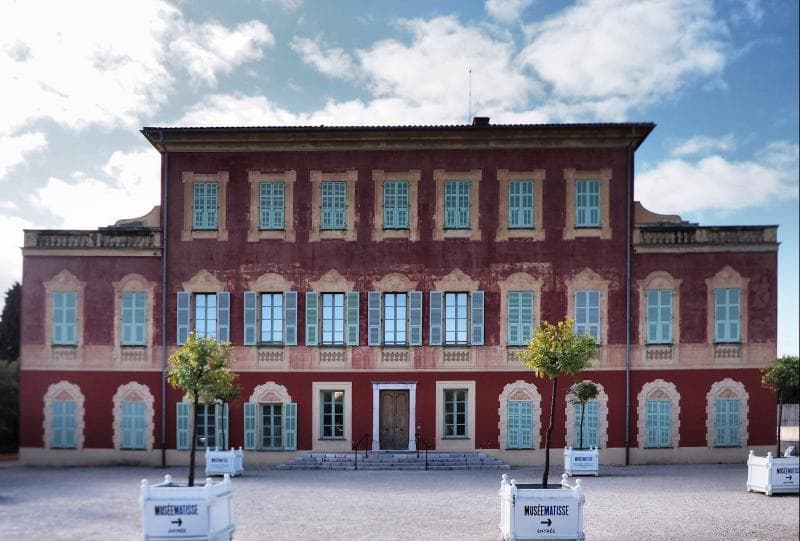
Explore the Permanent Galleries of Musée Matisse in Nice, France. Discover a vast collection of Henri Matisse's works, from early paintings to vibrant cut-outs, housed in his beloved city.
Overview
Nestled amidst ancient olive groves and Roman ruins in the serene Cimiez district of Nice, France, the Musée Matisse invites visitors into the vibrant world of Henri Matisse. Its Permanent Galleries showcase one of the world's most comprehensive collections of the master's work, providing an intimate journey through his artistic evolution. Housed within the elegant 17th-century Villa des Arènes, the museum is more than just an exhibition space; it is a testament to Matisse's profound connection with Nice, where he lived and worked from 1917 until his passing in 1954.
The collection spans his entire career, from his early paintings and influential Fauvist period to his celebrated paper cut-outs, sculptures, drawings, and illustrated books. Beyond the masterpieces, the galleries also feature a fascinating array of personal objects that belonged to Matisse, offering a unique glimpse into his daily life and creative process.
History & Cultural Background
The story of the Musée Matisse's Permanent Galleries is deeply intertwined with Henri Matisse's life and his enduring generosity towards the city he cherished. The museum's home, the Villa des Arènes, originally known as the Gubernatis palace, was constructed between 1670 and 1685.
In 1953, a year before his death, Matisse himself initiated the museum's core collection by donating a significant body of his work to the City of Nice, with the vision of establishing a monographic museum dedicated to his art. This foundational gift was further enriched over the years by successive bequests and donations from his wife, Amélie, and his heirs, including his children Marguerite, Jean, and Pierre.
When it first opened its doors in 1963, the museum occupied the first floor of the villa, while the ground floor housed an archaeological museum. However, in 1989, the archaeological collections were relocated to a dedicated site nearby, paving the way for the Matisse Museum to expand. After extensive renovations and the addition of a new wing, designed by Jean-François Bodin, the enlarged museum reopened in 1993, allowing for the display of its entire permanent collection in a beautifully integrated historical and modern setting.
What Makes It Special
What truly distinguishes the Permanent Galleries at Musée Matisse is their unparalleled depth in chronicling the artist's prolific career and intimate connection to his environment. Unlike many retrospectives that focus on specific periods, this collection provides a chronological and thematic narrative of Matisse's artistic journey, offering a rare opportunity to witness his continuous experimentation across various media.
Visitors can marvel at iconic paintings such as 'Still Life with Pomegranates' (1947), a key piece from his initial donation, and the striking 'Blue Nude IV' (1952), a testament to his mastery of cut-outs. The museum also proudly displays 'Le Serf' (1900-1903), his sole male nude sculpture, notably bearing his fingerprints, a detail that brings a tangible sense of the artist's hand to the viewer. Furthermore, the galleries house preparatory works for his architectural masterpiece, the Chapel of the Rosary in Vence, providing insight into this significant late-career project.
Beyond the celebrated artworks, the inclusion of Matisse's personal belongings—from ceramic vases and antique furniture to his painting desk—offers a profoundly personal connection. These objects, often featured in his still lifes and interiors, reveal how his surroundings constantly fueled his creative spirit, transforming everyday items into muses.
Stories, Fun Facts & Local Details
Henri Matisse's decision to settle in Nice in 1917 was largely inspired by the region's exceptional light, a luminous quality that would profoundly influence his art, leading to a softer and more relaxed aesthetic in his post-World War I works.
A fascinating aspect of his later life, beautifully represented in the permanent collection, is his pioneering use of 'gouaches découpées' or paper cut-outs. This innovative technique, born from necessity when illness made it difficult for him to paint, allowed him to 'draw with scissors' and create some of his most joyful and iconic pieces, like 'Danseuse créole', possibly inspired by dancer Katherine Dunham.
The museum's setting in Cimiez is particularly poignant. Matisse lived just a stone's throw away at the Hôtel Régina, and his final resting place is in the nearby Cimiez monastery cemetery, making a visit to the museum a pilgrimage into the heart of his existence. The museum actively works to promote modern art, continuing Matisse's legacy from his involvement with organizations like the Union Méditerranéenne pour l'Art Moderne.
Visitor Perspective
Stepping into the Permanent Galleries of the Musée Matisse is an experience designed for quiet contemplation and emotional engagement. The thoughtfully arranged exhibition provides a clear, chrono-thematic journey through Matisse's various periods, allowing visitors to easily trace the evolution of his distinctive style and enduring themes.
The atmosphere within the 17th-century villa, complemented by modern exhibition spaces, is described as calm, bright, and inspiring, creating an ideal environment to appreciate the nuances of Matisse's color, form, and light. To enhance the visit, a digital guide is available via the Bloomberg Connects app, offering expert insights and engaging content that delves deeper into the artworks and the artist's life.
The museum's commitment to regularly rotating its exceptional collection means that each visit can offer a fresh perspective, highlighting different facets of Matisse's vast oeuvre and keeping the experience dynamic. Visitors often feel an intimate connection, as if they are exploring Matisse's own studio, surrounded by the objects and artworks that defined his world.
Coordinates: 7.27591, 43.71946
View on Google Maps💬 How Travelers Describe This Place
Based on community votes
Must See
797Interesting
695Unique
396Beautiful
286Photogenic
22
Traveler Stories
Discover memorable experiences shared by travelers who have visited this place.
No traveler stories yet.
Be the first traveler to share what made this place memorable.

Tour
By
Spot
Discover amazing places around the world. Your journey starts here.
Explore
© 2026 TourBySpot. All rights reserved.