Audiovisual Exhibits
Nice, France
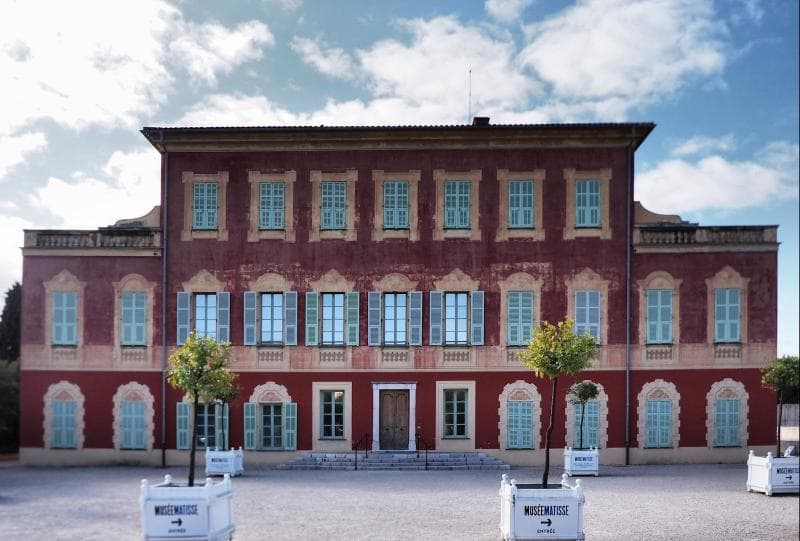
Explore the Audiovisual Exhibits at Musée Matisse in Nice, France, for an immersive journey into Henri Matisse's life and art through interactive displays and digital guides.
Overview
The Musée Matisse in Nice, France, offers a captivating journey into the world of Henri Matisse, one of the 20th century's most influential artists. Nestled within the historic Villa des Arènes on Cimiez Hill, the museum houses one of the most extensive collections of Matisse's work globally, tracing his artistic evolution from his early days to his final gouache cut-outs. Beyond the impressive display of paintings, sculptures, drawings, and engravings, the museum leverages modern interpretative tools, including a variety of audiovisual exhibits, to enrich the visitor's understanding and engagement with Matisse's prolific career and his profound connection to Nice.
These integrated audiovisual elements transform the viewing experience, providing layers of context, historical insight, and personal stories that complement the static artworks. From interactive screens presenting archival footage to comprehensive digital guides available on personal devices, the museum ensures that every visitor can delve deeper into the artist's creative process and inspirations, making the masterpieces resonate more profoundly.
History & Cultural Background
Henri Matisse chose Nice as his home from 1917 until his death in 1954, deeply influencing his artistic output with the region's vibrant light and colors. The Musée Matisse, established in 1963 in the 17th-century Villa des Arènes, was conceived to honor this profound relationship and showcase the substantial donations made by Matisse himself and his heirs.
The museum's history reflects a continuous effort to present Matisse's legacy in an accessible and engaging manner. As museum practices evolve, so too does the presentation of art. The incorporation of audiovisual elements is a testament to this evolution, allowing visitors to not only see Matisse's art but also to hear his story, witness his creative process through rare footage, and understand the cultural milieu that shaped his genius. These technological additions bridge the gap between historical artwork and contemporary audiences, ensuring the museum remains a dynamic cultural institution.
What Makes It Special
What sets the audiovisual exhibits at Musée Matisse apart is their seamless integration into the overall museum experience, designed to provide comprehensive context without overshadowing the art itself. Visitors can engage with screens displaying archive images and short reports, offering glimpses into Matisse's life and times.
Timeline friezes adorning the museum walls are enhanced with explanations and historical facts, linking Matisse's works to key moments in his life and the broader art historical narrative. A significant feature is the availability of audio and video content through platforms like Bloomberg Connects, which visitors are encouraged to access with their own headphones for an immersive experience. Furthermore, the museum's official app serves as a free audioguide in multiple languages, featuring not only detailed explanations but also games, demos, and deep dives into specific works and themes. The presence of QR codes and free Wi-Fi within the museum allows for on-the-fly access to this rich digital content, making the experience highly interactive and personalized.
Stories, Fun Facts & Local Details
The audiovisual exhibits often weave in captivating stories and fun facts that bring Matisse's world to life. Imagine watching a short film depicting Matisse working in his Nice studio, perhaps capturing the very light he so famously sought to paint. The digital content can reveal anecdotes about his models, his daily routines in Nice, or the inspirations he drew from the local environment, such as the olive groves surrounding the museum. These narratives deepen the emotional connection to the art, moving beyond mere observation to a genuine understanding of the artist's personal journey. For instance, the exhibits might touch upon how his illness led him to discover new artistic expressions, like the celebrated gouache cut-outs, a period heavily influenced by his life in Nice. The availability of online media and virtual tours also extends this storytelling beyond the museum walls, offering glimpses into his creative spaces and processes.
Visitor Perspective
From a visitor's standpoint, the audiovisual exhibits at Musée Matisse significantly enhance the museum experience. They cater to a diverse audience, from art aficionados seeking in-depth analysis to curious travelers looking for an engaging cultural encounter. The option to use personal devices for multi-language audioguides, complete with audio and video content, allows for a self-paced and tailored exploration of the collection.
Families with children will find the interactive elements and features like games within the app particularly appealing, transforming a traditional museum visit into an educational and entertaining adventure. The displays showing archive images and short reports provide visual context that can be especially beneficial for those less familiar with Matisse's extensive oeuvre, making his revolutionary techniques and artistic philosophy more digestible and exciting. By offering these diverse points of access to information, the Musée Matisse ensures that every visitor can connect with Henri Matisse's extraordinary legacy on a deeply personal and intellectually stimulating level.
Coordinates: 7.272027, 43.719895
View on Google Maps💬 How Travelers Describe This Place
Based on community votes
Must See
872Beautiful
684Unique
363Interesting
250Photogenic
88
Traveler Stories
Discover memorable experiences shared by travelers who have visited this place.
No traveler stories yet.
Be the first traveler to share what made this place memorable.

Tour
By
Spot
Discover amazing places around the world. Your journey starts here.
Explore
© 2026 TourBySpot. All rights reserved.