Manneken Pis
Brussels, Belgium
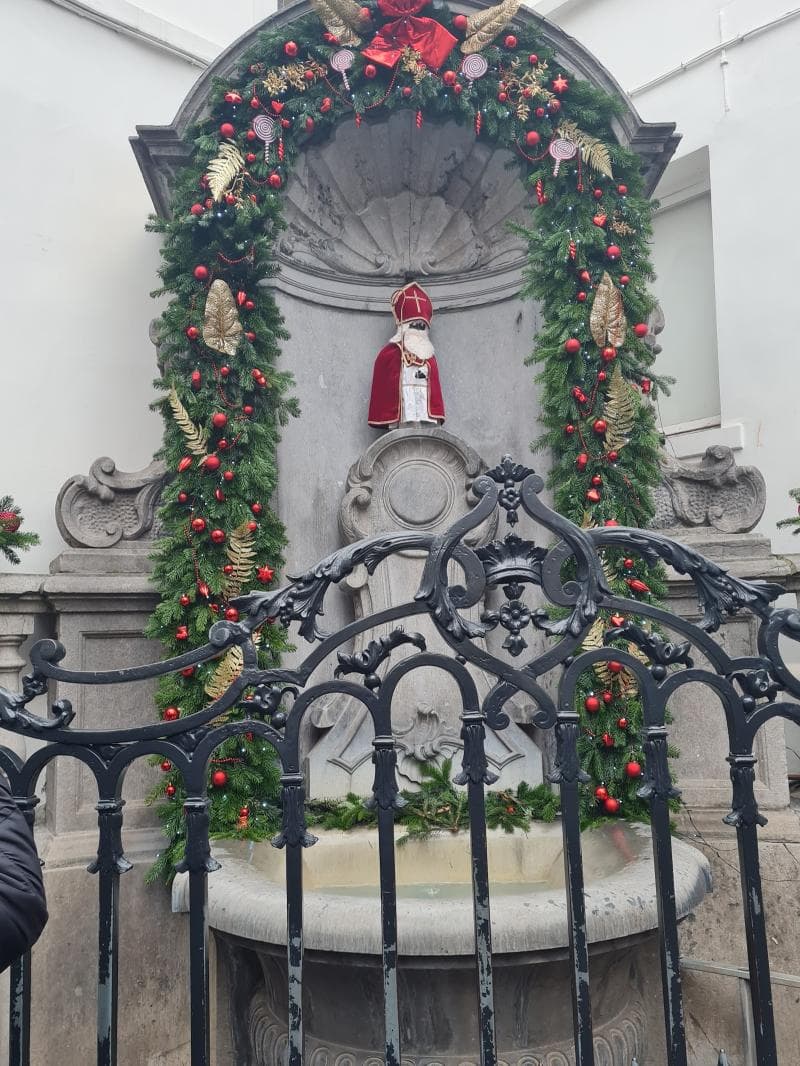
Discover Manneken Pis, Brussels' iconic peeing boy statue. Learn its history, quirky legends, and see its incredible costume collection in Belgium.
Overview
Manneken Pis, a small bronze statue of a naked boy urinating into a fountain basin, stands as one of Brussels, Belgium's most iconic and beloved symbols. Standing approximately 55.5 to 58 centimeters (about 22 inches) tall, this quirky figure often surprises first-time visitors with its diminutive stature. Located just a short walk from the historic Grand-Place, at the intersection of Rue de l'Étuve and Rue du Chêne, Manneken Pis embodies the irreverent, humorous, and independent spirit of the city. The statue you see in the street today is a replica, placed there in 1965 or 1966 to protect the original. The authentic 1619 sculpture is carefully preserved and displayed at the Brussels City Museum, housed within the King's House on the Grand-Place.
History & Cultural Background
The history of Manneken Pis stretches back centuries. Its origins lie in the 15th century, when a stone figure existed as a functional public fountain, playing a vital role in Brussels' early water distribution system. The current bronze statue, designed by the sculptor Jérôme Duquesnoy the Elder, was installed in 1619. Over the centuries, Manneken Pis has endured numerous trials, including surviving the bombardment of Brussels in 1695. Despite repeated attempts at theft and damage, the statue consistently returned to its post, solidifying its place in the city's heart. By the 19th century, as its practical function as a water source diminished, Manneken Pis evolved into a powerful symbol of Brussels' unique folklore, celebrating the joy and self-mockery characteristic of its inhabitants.
What Makes It Special
Beyond its ancient history, Manneken Pis is celebrated for several distinctive qualities. Its unexpectedly small size is often a source of amusement and charm for visitors who have seen countless larger-than-life monuments. More profoundly, the statue has become an emblem of Brussels' defiant and playful character, often referred to as 'zwanze'—a type of folk humor. The most captivating aspect, however, is Manneken Pis's extraordinary wardrobe. This little boy boasts a collection of over 1,000 costumes, making him the only statue in the world with such an extensive and celebrated closet. These outfits transform him regularly, reflecting historical events, professions, national cultures, and social causes, and are a testament to the international affection he receives.
Stories, Fun Facts & Local Details
The name 'Manneken Pis' literally translates from Dutch as 'little man peeing,' a straightforward description that perfectly captures its essence and the city's candid humor. Several entertaining legends surround its origin. One popular tale recounts a young boy who bravely extinguished a burning fuse to explosives with his urine, saving Brussels from destruction during a siege. Another legend speaks of a two-year-old duke, suspended in a basket during battle, who urinated on enemy troops, leading his side to victory. The tradition of dressing Manneken Pis dates back to at least 1698, when the Governor of the Austrian Netherlands gifted him his first costume. The collection has since grown exponentially, with new costumes (20-30 annually) donated by countries, associations, and dignitaries worldwide. To donate an outfit, an official request must be submitted to the City of Brussels, ensuring the costume holds no advertising, commercial, political, or religious character. On special occasions, Manneken Pis has even been known to dispense beer or other beverages instead of water, adding to the festive atmosphere. Manneken Pis is not alone; he is part of a quirky 'family' of peeing statues in Brussels, including Jeanneke Pis (a female version) and Zinneke Pis (a dog version).
Visitor Perspective
Manneken Pis is accessible 24/7 and free to view, making it an easy and essential stop on any Brussels itinerary. However, be prepared for crowds, especially during peak afternoon hours and weekends. To experience the statue more serenely, consider visiting early in the morning or later in the evening. Many visitors are surprised by its small scale, so managing this expectation can enhance the experience. Beyond simply seeing the statue, visitors can delve deeper into its story. The original 1619 statue is housed in the Brussels City Museum on the Grand-Place, offering a chance to see the authentic piece of history. Additionally, the GardeRobe MannekenPis museum, located nearby on Rue du Chêne, showcases a rotating selection of its vast costume collection, providing fascinating insights into this unique tradition. The area surrounding Manneken Pis is also a vibrant hub, perfect for enjoying authentic Belgian waffles, chocolates, and cafes.
Coordinates: 4.3499932, 50.8449861
View on Google Maps💬 How Travelers Describe This Place
Based on community votes
Must See
982Unique
876Photogenic
875Interesting
648Beautiful
235
Traveler Stories
Discover memorable experiences shared by travelers who have visited this place.
No traveler stories yet.
Be the first traveler to share what made this place memorable.
Things to see at Manneken Pis



Tour
By
Spot
Discover amazing places around the world. Your journey starts here.
Explore
© 2026 TourBySpot. All rights reserved.