Statue Fountain
Brussels, Belgium
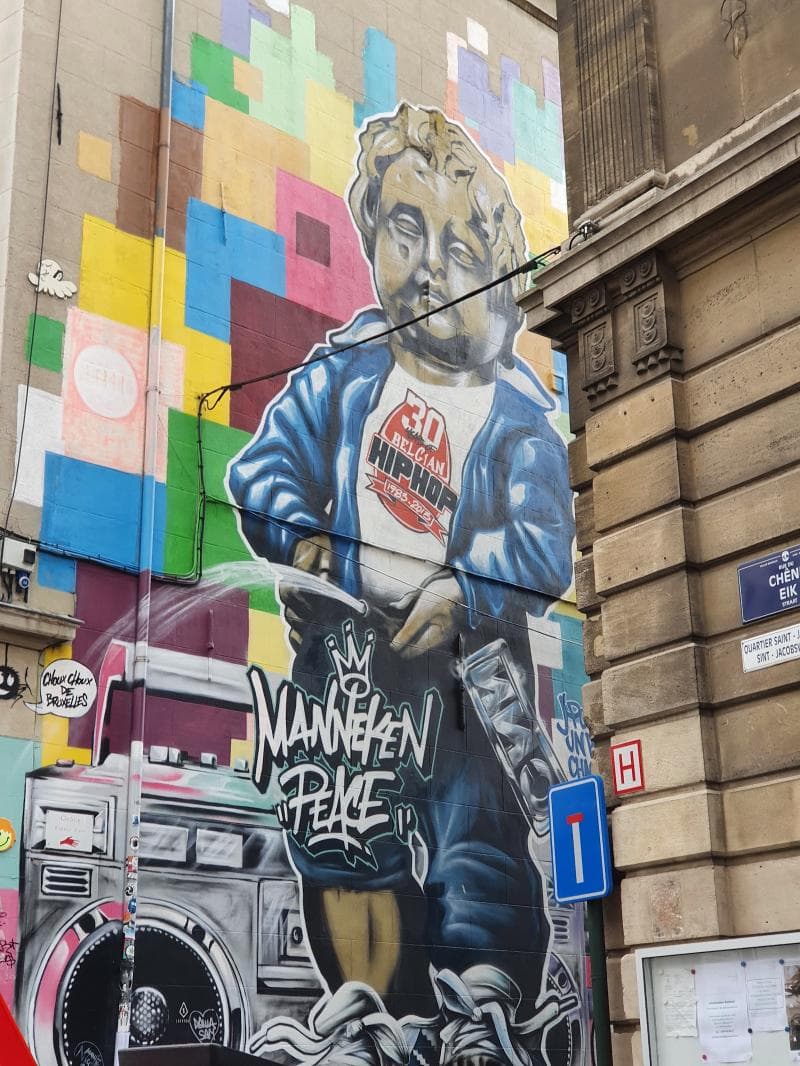
Discover Manneken Pis, Brussels' iconic 'little man peeing' statue and fountain. Explore its history, charming legends, and extensive wardrobe in Belgium.
Overview
In the vibrant heart of Brussels, Belgium, stands a small yet profoundly significant landmark known as Manneken Pis. This iconic 'little man peeing' is much more than just a bronze statue and fountain; he is an enduring emblem of the city's unique spirit, humor, and rebellious nature. Standing at a modest 55.5 to 61 centimeters tall, he quietly performs his perpetual function into a basin, drawing countless visitors who are often surprised by his diminutive size compared to his global fame.
Located at the corner of Rue de l'Étuve and Rue du Chêne, just a short walk from the magnificent Grand-Place, Manneken Pis has transcended his utilitarian origins to become a beloved cultural icon. He represents the lightheartedness and self-deprecating wit, known locally as 'zwanze', that characterizes the people of Brussels. Despite his small stature, he commands immense affection and attention, embodying centuries of history, folklore, and communal joy.
History & Cultural Background
The origins of Manneken Pis date back to at least the mid-15th century, when he first served as a crucial public fountain, providing drinking water to the city. The earliest records show a stone version of a 'Manneken Pis' existed as early as 1388.
The bronze statue visible today was sculpted by Jérôme Duquesnoy the Elder and installed in 1619, replacing earlier versions. This 17th-century iteration survived the devastating bombardment of Brussels in 1695, solidifying his place in the city's resilience and folklore. As Brussels developed, his practical role in water distribution diminished, but his symbolic importance grew.
Over the centuries, Manneken Pis transformed from a mere water source into a cherished symbol of Brussels' identity and its inhabitants' joy and capacity for self-mockery. To protect this valuable piece of heritage, the original 1619 statue was moved to the Brussels City Museum in 1965, with a replica taking its place at the street corner.
What Makes It Special
What truly sets Manneken Pis apart is his extraordinary wardrobe. The tradition of dressing the statue began as early as 1698 when Maximilian II Emmanuel, Governor of the Spanish Netherlands, presented him with his first set of clothes. Since then, his collection has grown to over 1,000 costumes, making him arguably the most well-dressed statue in the world.
These costumes, which range from traditional folk outfits and uniforms to whimsical ensembles and tributes, are gifted by visiting dignitaries, embassies, and various organizations from around the globe. Manneken Pis is dressed regularly throughout the year to celebrate special occasions, holidays, and cultural events, following a schedule posted near the fountain and online. Many of these fascinating outfits are displayed at the GardeRobe MannekenPis museum, located just a few meters from the fountain, offering visitors a deeper appreciation for this unique tradition.
Stories, Fun Facts & Local Details
Manneken Pis is steeped in a rich tapestry of legends and local anecdotes that contribute to his charm. One of the most famous legends tells of a young boy who saved Brussels from an invading army. The enemy planned to blow up the city walls, but the quick-thinking boy, by urinating on a lit fuse, extinguished it and averted disaster. Another tale speaks of a lost child whose wealthy father, upon finding him, commissioned the statue in gratitude. Yet another legend links him to Duke Godfrey III of Leuven, who, as a two-year-old in a basket during a battle, urinated on enemy troops, leading to their defeat.
His name itself, 'Manneken Pis,' literally translates to 'little man peeing' in the Brussels dialect, perfectly capturing the statue's straightforward and humorous nature. This playful spirit extends to his 'family' members in Brussels: Jeanneke Pis, a similar statue of a peeing girl, and Zinneke Pis, a peeing dog, forming a quirky trio that celebrates the city's self-deprecating humor.
On rare and special occasions, Manneken Pis delights crowds by 'urinating' beer or wine into his basin, offering a unique taste of Belgian hospitality. This extraordinary practice further cements his role as a living part of Brussels' festive and fun-loving culture.
Visitor Perspective
For many travelers, seeing Manneken Pis is a quintessential Brussels experience. First-time visitors are often struck by his small size, a charming contrast to the immense fame he holds. Despite his modesty, the anticipation of seeing him, perhaps dressed in a new costume, creates a palpable buzz. The surrounding area is often lively, filled with curious onlookers snapping photos and soaking in the unique atmosphere.
To truly appreciate him, it's recommended to visit early in the morning on weekdays to avoid larger crowds and get an unobstructed view. If you wish to see him in a specific outfit, checking the official costume schedule beforehand can enhance the experience. Beyond the immediate view of the fountain, exploring the nearby GardeRobe MannekenPis museum provides invaluable context and a chance to admire his extensive sartorial collection. Manneken Pis is more than a mere tourist attraction; he is a beloved local character, a symbol of resilience, humor, and the enduring spirit of Brussels.
Coordinates: 4.3499932, 50.8449861
View on Google Maps💬 How Travelers Describe This Place
Based on community votes
Interesting
1.0kBeautiful
869Unique
309Photogenic
100Must See
33
Traveler Stories
Discover memorable experiences shared by travelers who have visited this place.
No traveler stories yet.
Be the first traveler to share what made this place memorable.

Tour
By
Spot
Discover amazing places around the world. Your journey starts here.
Explore
© 2026 TourBySpot. All rights reserved.