Themed Displays
Brussels, Belgium
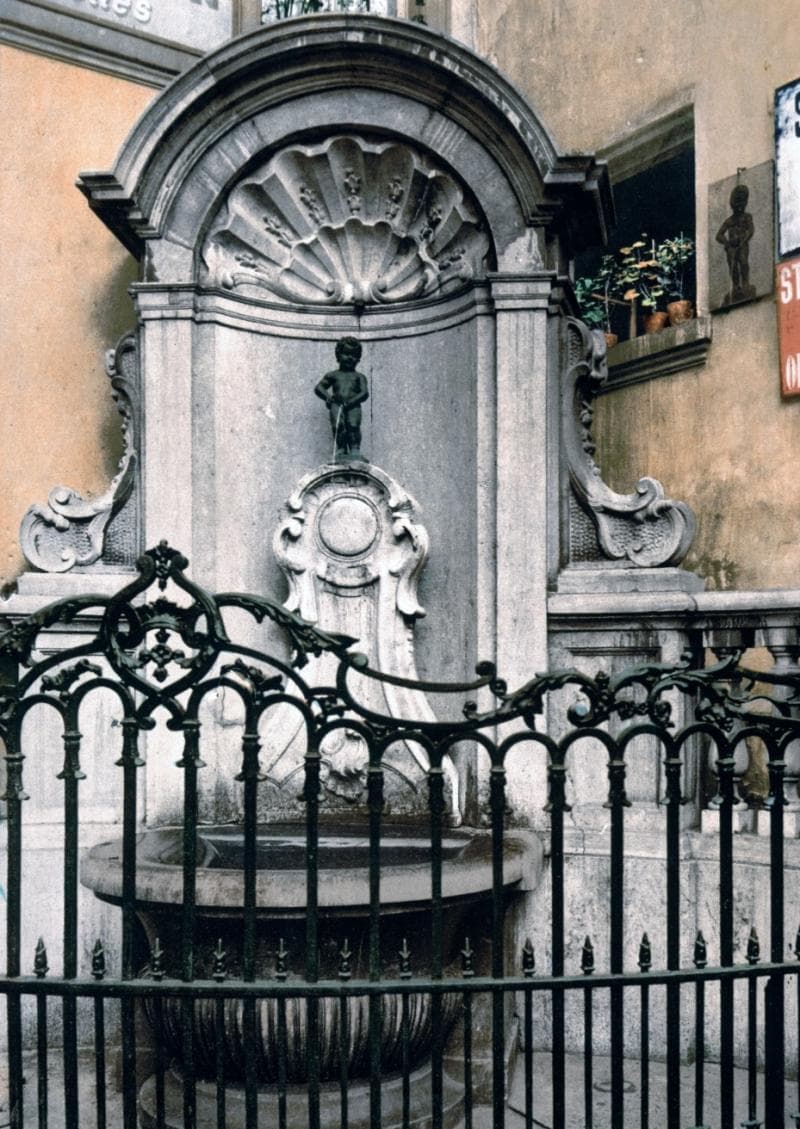
Discover the 'themed displays' of Manneken Pis in Brussels, Belgium – a vibrant wardrobe of over 1,000 costumes reflecting global cultures and local humor.
Overview
In the heart of Brussels, Belgium, stands the small yet iconic bronze statue known as Manneken Pis. While the little boy himself is a famous landmark, it is his extraordinary collection of 'themed displays,' or elaborate costumes, that truly captivates visitors from around the globe. Far from remaining a simple fountain figure, Manneken Pis is regularly dressed in a vibrant array of outfits, reflecting diverse cultures, professions, and significant events. This unique tradition transforms the statue into a living emblem of Brussels' quirky charm and its rich, playful spirit. Each costume tells a story, making the act of dressing Manneken Pis a cherished ritual that highlights the city's connection to the world and its own distinctive humor.
History & Cultural Background
The origins of Manneken Pis date back to at least the mid-15th century as a functional public fountain. The bronze statue seen today was sculpted by Jérôme Duquesnoy the Elder and installed in 1619. The tradition of dressing Manneken Pis is almost as old as the statue itself, with the earliest documented instance dating back to 1615, when he was adorned in a shepherd's costume for the Ommegang procession. However, the formal practice of presenting him with garments began in earnest on May 1, 1698, when Maximilian II Emanuel, then Governor of the Austrian Netherlands, gifted him his first official tunic. Over the centuries, this practice flourished, becoming an integral part of Brussels' cultural heritage. Initially, clothes were offered by authorities for specific festivities. After World War II, the wardrobe began to expand significantly, with five to fifteen new outfits added annually. Today, the elaborate collection is managed by the non-profit organization 'The Order of the Friends of Manneken Pis,' ensuring the continuity and integrity of this delightful custom.
What Makes It Special
What makes the themed displays of Manneken Pis truly special is the sheer volume and incredible diversity of his wardrobe, alongside the profound cultural significance it holds for the people of Brussels. With over 1,000 costumes in his collection, Manneken Pis boasts a wardrobe unmatched by any other secular statue in the world. These outfits are not merely decorative; they serve as a unique form of cultural expression and diplomacy. Costumes are frequently donated by visiting heads of state, international organizations, and associations, each representing a facet of global culture, historical events, or shared values. The statue might appear as a firefighter one day, a famous musician the next, or a representative of a distant nation in traditional attire. This ever-changing display ensures that each visit offers a fresh perspective on Brussels' open and celebratory spirit. The dedication required to create, catalog, and display these miniature garments underscores the city's deep affection for its 'little peeing man.'
Stories, Fun Facts & Local Details
The themed displays are steeped in delightful stories and local character. Many costumes reflect the 'zwanze,' Brussels' distinctive, self-deprecating humor. For instance, the statue has been known to 'urinate' beer or other beverages on special occasions, adding to the festive atmosphere and embodying this playful spirit. The process of dressing Manneken Pis is a ceremonial event, often accompanied by brass band music, drawing crowds eager to witness the transformation. The statue on display today is actually a replica installed in 1965, with the original from 1619 safeguarded in the Brussels City Museum. To truly appreciate the breadth of his sartorial splendor, visitors can explore the GardeRobe MannekenPis museum, located nearby on Rue du Chêne. This dedicated museum houses a rotating selection of about 150 costumes at any given time, offering an interactive database to browse the entire collection. Here, you might see his uniform as a Brussels police officer, a samurai outfit, or even a Father Christmas suit.
Visitor Perspective
For a curious traveler, experiencing Manneken Pis's themed displays is a highlight of any trip to Brussels. To catch the statue in a specific outfit, visitors can consult the official dressing schedule, which is often posted on the railings around the fountain and available online. Witnessing a dressing ceremony, with its accompanying music and local fanfare, provides an authentic glimpse into Brussels' cherished traditions. Beyond the immediate spectacle at the fountain, a visit to the GardeRobe MannekenPis museum is highly recommended. It offers a deeper understanding of the history, craftsmanship, and cultural narratives behind each tiny garment. The museum provides context to the playful figure, revealing him not just as a statue, but as a dynamic cultural ambassador of Brussels. It's a reminder that even the smallest details can carry immense historical and cultural weight, inviting visitors to connect with the city's unique identity in a meaningful and memorable way.
Coordinates: 4.35, 50.845
View on Google Maps💬 How Travelers Describe This Place
Based on community votes
Must See
876Unique
875Photogenic
820Interesting
718Beautiful
648
Traveler Stories
Discover memorable experiences shared by travelers who have visited this place.
No traveler stories yet.
Be the first traveler to share what made this place memorable.

Tour
By
Spot
Discover amazing places around the world. Your journey starts here.
Explore
© 2026 TourBySpot. All rights reserved.